







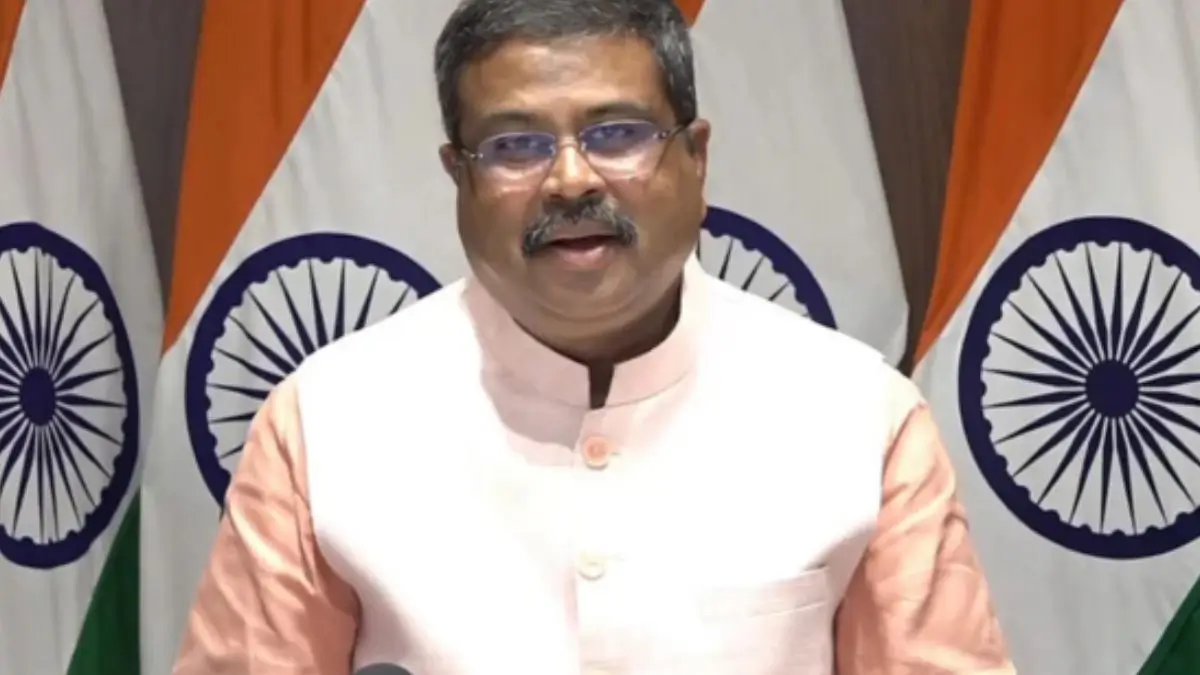
India classical languages books initiative: Union Education Minister Dharmendra Pradhan releases 41 new literary works, including Tirukkural in sign language, promoting multilingual education and preserving ancient Indian literature.
📘 Dharmendra Pradhan Releases 41 New Books on India’s Classical Languages
📌 Introduction
Union Education Minister Dharmendra Pradhan recently released 41 newly developed literary works focusing on India’s classical languages, marking a major initiative in preserving the country’s rich linguistic heritage. The literary works were developed by the Centres of Excellence for Classical Languages, under the Central Institute of Indian Languages (CIIL), and were released in New Delhi. This initiative aims to deepen understanding among students, scholars, and the general public about classical languages and make ancient literature more accessible to modern learners.
📚 About the New Literary Works
The 41 literary works include extensive material in classical Kannada, Telugu, Malayalam, and Odia, representing centuries-old traditions of linguistic excellence. Additionally, Tirukkural books and a 45-episode Indian Sign Language interpretation of Tirukkural were also released, designed to promote inclusivity and accessibility for learners with hearing disabilities.
The Tirukkural, a classic Tamil text composed by the saint-poet Thiruvalluvar, is known for its timeless wisdom on morality, governance, and human conduct. Its inclusion in sign language underscores the government’s vision of making classical knowledge available to every learner, regardless of ability.
🏛 Role of Centres of Excellence & CIIL
The Central Institute of Indian Languages (CIIL), an autonomous institute under the Ministry of Education (MoE), coordinates the development of these works through its Centres of Excellence for Classical Languages. CIIL’s efforts center on research, documentation, teaching, and promotion of classical Indian languages, supporting India’s multilingual heritage. These works strengthen language education by preserving linguistic traditions while providing modern resources for study.
🌍 Government’s Cultural and Educational Push
This initiative aligns with India’s broader cultural preservation and education strategy under the National Education Policy (NEP) 2020, which encourages multilingual education and preservation of traditional knowledge systems. NEP promotes the use of Indian languages across all levels of education, from early schooling to higher research.
The inclusion of sign language interpretations and multilingual publications reflects a focus on inclusivity and accessibility, ensuring that ancient wisdom reaches diverse audiences and learners across the country.
📈 Expected Impact
Analysts believe this publication series will:
- Encourage youth engagement with India’s classical languages
- Stimulate academic study and research in linguistic and cultural studies
- Preserve ancient literary traditions for future generations
- Promote inclusive education through sign language resources
Overall, this initiative strengthens India’s multilingual fabric and integrates classical literature into mainstream education.

🧠 Why This News Is Important
🏆 Relevance for Competitive Exams
This news is crucial for students preparing for government exams — including SSC, UPSC (civil services like IAS/PCS), Railway, Banking, Police, and Teaching posts — as it highlights government actions on education and cultural heritage, both of which are common areas in general studies and current affairs sections. The initiative reflects policies aligned with the National Education Policy 2020, focusing on promoting India’s languages and inclusive learning.
📘 Cultural and Educational Significance
The release of classical language literary works showcases India’s efforts to preserve ancient literary traditions at a time when globalization challenges local linguistic communities. These works also serve as valuable sources for historical, cultural, and literary questions that frequently appear in competitive exams.
👥 Inclusivity and Social Policy
Including a sign language interpretation of the Tirukkural underscores the government’s commitment to inclusive education, making knowledge accessible to differently-abled learners. Such policy measures help students understand India’s approach to social inclusion — a common topic in government exams.
📜 Historical Context: India’s Classical Language Movement
🗣 What Are Classical Languages?
A classical language in India is officially recognized based on its ancient heritage, rich literature, and historical value spanning over thousands of years. These languages form the foundation of India’s cultural and literary legacy.
🏛 Evolution of Classical Status
From early recognitions like Tamil and Sanskrit, additional languages such as Telugu, Kannada, Malayalam, and Odia were included over time due to their extensive histories and rich body of literature. Recently, Marathi, Bengali, Assamese, Pali, and Prakrit have also been granted classical status, bringing the total to eleven classical languages, reflecting India’s vast linguistic diversity.
📘 Role in Education and Culture
Classical languages serve as pillars of India’s literary and philosophical traditions. Government efforts, such as book releases and research support, help preserve and propagate this cultural heritage. NEP 2020 emphasizes the promotion of Indian languages at all educational levels, from early schooling to higher-level research.
📊 Key Takeaways from ‘Release of Books on India’s Classical Languages’
| S. No. | Key Takeaway |
|---|---|
| 1. | Union Education Minister Dharmendra Pradhan released 41 new literary works on India’s classical languages. |
| 2. | The works were developed by the Centres of Excellence for Classical Languages under CIIL. |
| 3. | Tirukkural books and a sign language series were included to support inclusivity. |
| 4. | The initiative aligns with NEP 2020’s emphasis on promoting Indian languages in education. |
| 5. | The project aims to preserve India’s linguistic heritage and promote ancient literature. |
❓ FAQs: Frequently Asked Questions on Release of Books on India’s Classical Languages
Q1. Who released the 41 new literary works on India’s classical languages?
A: Union Education Minister Dharmendra Pradhan released the books.
Q2. Which organization developed these 41 literary works?
A: The Centres of Excellence for Classical Languages under the Central Institute of Indian Languages (CIIL).
Q3. Which classical languages were primarily covered in these new books?
A: Kannada, Telugu, Malayalam, Odia, and Tamil (including Tirukkural).
Q4. What unique feature was included in the Tirukkural books?
A: A 45-episode interpretation in Indian Sign Language for inclusivity.
Q5. How does this initiative align with India’s education policies?
A: It supports the National Education Policy 2020, promoting multilingual education and preservation of classical languages.
Q6. Why are classical languages important for India’s cultural heritage?
A: They preserve centuries-old literature, philosophy, and traditions, forming the foundation of India’s linguistic and cultural identity.
Q7. Which government body coordinates research and promotion of classical languages in India?
A: The Central Institute of Indian Languages (CIIL) under the Ministry of Education.
Q8. How can this initiative benefit students preparing for competitive exams?
A: It enhances general studies knowledge, especially in culture, education, and government policy sections.
Some Important Current Affairs Links