








Introduction: India’s New Move to Tackle Antimicrobial Resistance
In a significant step towards protecting public health, the Indian government has announced a ban on the use of critical antimicrobials in aquaculture. The decision aims to combat the growing issue of antimicrobial resistance (AMR), which poses a global health threat. The use of these antibiotics in fish farming has been linked to the emergence of resistant bacteria, which can potentially spread to humans and make infections harder to treat. This ban is expected to have a long-lasting impact on the country’s aquaculture industry and its public health policies.
Details of the Prohibition
India’s Directorate General of Health Services (DGHS) has issued the new guidelines, which specifically prohibit the use of key antibiotics such as Colistin, Aminoglycosides, and other Cephalosporins in aquaculture. These antibiotics are essential in human medicine and are considered critical in the treatment of various infections. The government has stated that this decision aligns with the World Health Organization’s (WHO) recommendations on the responsible use of antibiotics in animals. The move is part of India’s broader strategy to tackle antimicrobial resistance, which is becoming an urgent issue worldwide.
Global Context and India’s Role
India is one of the largest producers of fish and seafood globally. The aquaculture sector is a vital part of the economy, providing employment to millions and contributing significantly to exports. However, the indiscriminate use of antibiotics in this sector has raised concerns, as it can lead to the development of antibiotic-resistant bacteria. The new policy is expected to reduce the risk of resistance while promoting healthier farming practices. India’s initiative is a critical contribution to the global fight against AMR, which has gained increasing attention from global health organizations like the WHO, the Food and Agriculture Organization (FAO), and the World Organisation for Animal Health (OIE).
Why This News is Important
Impact on Public Health and Antibiotic Resistance
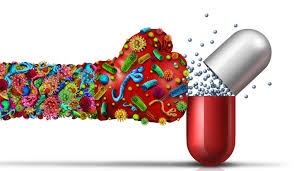
The decision to prohibit the use of critical antimicrobials in aquaculture is highly significant for both public health and the global fight against antimicrobial resistance (AMR). AMR occurs when bacteria develop resistance to antibiotics, making them less effective in treating infections. This can lead to prolonged illnesses, higher medical costs, and increased mortality. The move by India to restrict the use of antibiotics in aquaculture helps reduce the chances of bacteria developing resistance, ensuring that antibiotics remain effective for human treatments.
Relevance for Competitive Exams
This development is important for government exam aspirants, particularly for those preparing for positions in sectors related to health, agriculture, and the environment. The topic of antimicrobial resistance is becoming a focal point in global health discussions, making it relevant for exams like UPSC, SSC, State PSCs, and exams for positions in the Ministry of Health and Family Welfare and Ministry of Agriculture. It also ties into broader topics like public health policy, environmental sustainability, and international cooperation in combating health crises.
Historical Context: The Rise of Antimicrobial Resistance
Antimicrobial resistance is a growing concern worldwide, driven by the overuse and misuse of antibiotics in humans and animals. The practice of using antibiotics in agriculture, particularly in aquaculture and livestock farming, has contributed to the rise of resistant bacteria. Over time, bacteria evolve to survive the effects of drugs designed to kill them, leading to a situation where infections become harder to treat.
In 2015, the WHO issued global guidelines recommending that governments limit the use of certain critical antibiotics in animals to preserve their effectiveness for human medicine. India, as one of the largest producers and consumers of antibiotics, has been under pressure to address AMR. The new regulation is a step toward aligning with international health standards and reducing the risk of a public health crisis.
Key Takeaways from “India Prohibits Use of Key Antimicrobials in Aquaculture”
| S.No | Key Takeaway |
|---|---|
| 1. | India has banned the use of critical antimicrobials like Colistin in aquaculture to combat antimicrobial resistance (AMR). |
| 2. | The ban covers antibiotics that are vital for human medicine and are linked to the emergence of antibiotic-resistant bacteria. |
| 3. | India’s decision is in line with WHO recommendations to limit antibiotic use in agriculture and aquaculture to prevent AMR. |
| 4. | This policy shift highlights India’s growing role in addressing global public health concerns like antimicrobial resistance. |
| 5. | The ban will affect the aquaculture industry, which is a major sector in India, contributing to employment and exports. |
FAQs: Frequently Asked Questions
1. What is antimicrobial resistance (AMR)?
Antimicrobial resistance (AMR) occurs when bacteria, viruses, fungi, and parasites evolve to resist the drugs that once killed them. This makes infections harder to treat and increases the risk of spread of disease.
2. Why has India banned the use of certain antimicrobials in aquaculture?
India has banned the use of critical antimicrobials like Colistin and Aminoglycosides in aquaculture to reduce the risk of antimicrobial resistance (AMR). The overuse of these antibiotics in fish farming could lead to resistant bacteria, which may then affect humans.
3. What are the key antibiotics banned in India’s aquaculture industry?
The key antibiotics banned by India include Colistin, Aminoglycosides, and Cephalosporins, which are crucial in treating human infections and have been associated with the development of AMR.
4. How does the WHO recommend addressing antimicrobial resistance?
The WHO recommends limiting the use of critical antibiotics in animals and agriculture, ensuring they are used only when necessary and under appropriate supervision to preserve their effectiveness for human medicine.
5. What sectors are likely to be impacted by this policy change in India?
This policy will primarily affect the aquaculture industry in India, which is a significant part of the economy. The ban may lead to changes in farming practices, with a focus on reducing antibiotic use and adopting alternative methods of fish farming.
Some Important Current Affairs Links