









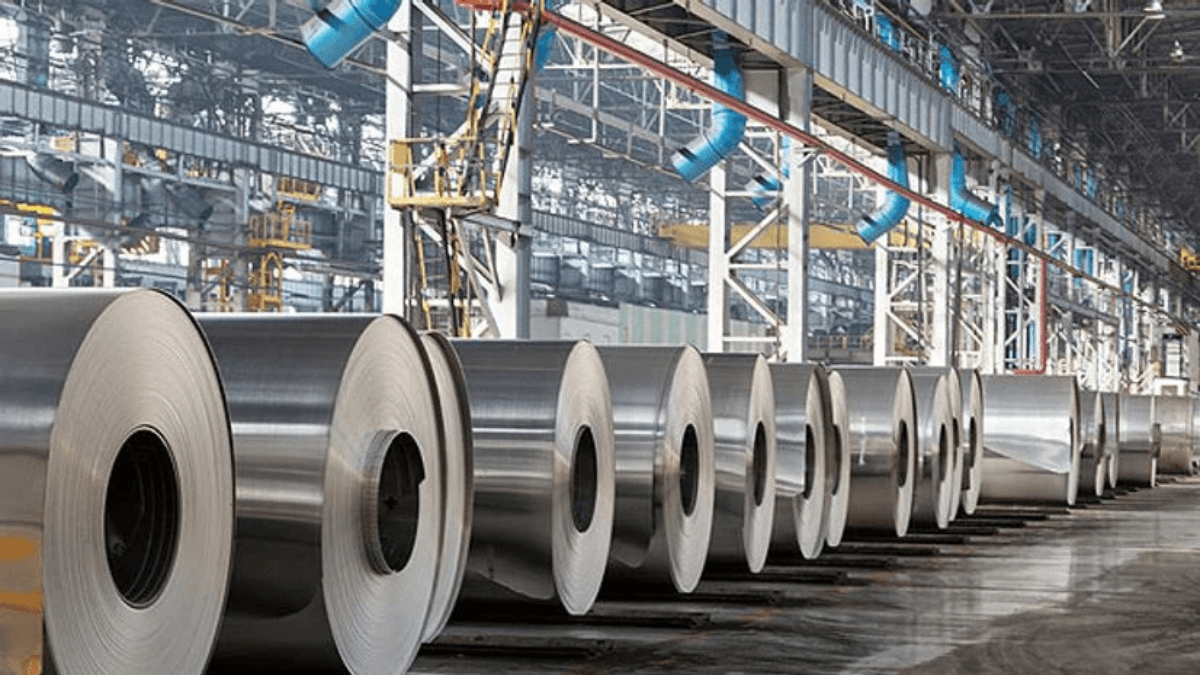
Index of Industrial Production October 2025 shows only 0.4% growth, highlighting India’s industrial slowdown. Get detailed analysis, sector performance, and key takeaways for competitive exams.
Index of Industrial Production Slows to 0.4% in October 2025 — What It Means for India’s Economic Momentum
Sluggish Industrial Growth in October Signals Softening Momentum
Official data for October 2025 indicates that India’s Index of Industrial Production (IIP) grew by only 0.4% year-on-year, marking a sharp deceleration from the revised 4.6% growth in September. This abrupt slowdown underscores a pause in industrial momentum that had previously shown signs of stability.
Key Sectoral Underperformance — Manufacturing, Electricity, Mining Take a Hit
The slowdown was broad-based and not limited to a single sector. Manufacturing output rose by just 1.8% in October, compared to a healthy 5.6% increase in the prior month. Meanwhile, output from electricity generation declined by 6.9%, and mining activity dropped by 1.8%. Declines were also evident in consumer goods: consumer durables output fell by 0.5%, and non-durables by 4.4%.On the positive side, capital goods output rose modestly by 2.4%, but even that slowed compared to previous months.
Underlying Causes — Fewer Working Days and Weak Demand Conditions
Economists attribute this slowdown largely to the reduced number of working days in October due to multiple major festivals (like Dussehra, Diwali, Chhath), which disrupted production schedules. Additionally, muted electricity demand — possibly due to seasonal changes or lower industrial demand — contributed to the contraction in power output. Furthermore, sluggish demand for consumer goods and weaker external demand have amplified the overall industrial weakness.
Broader Economic Implications — Industrial Weakness Amid GDP Growth
This marked dip in IIP comes even as other data points suggest that the economy at large remains relatively resilient. The stagnation in industrial activity raises concerns about sustainability of growth, especially since industry remains a key pillar for employment and long-term investment in sectors relevant for aspirants of civil services, banking, railways, and defence jobs. It signals that the strong growth earlier seen may not be uniform across all sectors.

Why This News Matters
Relevance for Government Exam Aspirants and Policy Watchers
For students preparing for competitive exams (teaching, police, banking, railways, civil services), this development is significant. The IIP is a crucial macro-economic indicator often asked in general awareness sections. Understanding the reasons behind this slowdown — sector-wise performance, external demand, seasonal effects — helps in comprehensively analyzing India’s economic health.
Indicator of Industrial Health and Employment Prospects
A slowdown in industrial output can foreshadow reduced hiring, delayed infrastructure and capital goods projects, and slower creation of jobs — all of which directly affect sectors such as railways, public sector units, and allied services. For aspirants targeting such posts, this signals caution.
Insight into Short-Term vs Long-Term Economic Trends
The dip to 0.4% growth indicates short-term volatility. But when viewed alongside other data — like GDP growth, services sector performance, and long-term reforms — it offers insight into cyclical fluctuations versus structural trends. This helps aspirants develop a balanced perspective rather than drawing hasty conclusions.
Historical Context: Industrial Output and Economic Growth in India
IIP as a Long-standing Barometer of Industrial Activity
The IIP has for decades been used to gauge the health of Indian industry, tracking the performance of mining, manufacturing, and electricity sectors. In many past years, a rise in IIP reflected industrial expansion, expansion in manufacturing, and greater infrastructure activity — key drivers of employment and economic growth.
Post-GST Boost and Recent Volatility
In recent years, reforms including the implementation of the Goods and Services Tax (GST) and policy incentives boosted manufacturing and capital goods production, leading to positive IIP growth. However, global economic headwinds, changing demand patterns, and global trade tensions (for example, tariffs from major trading partners) have periodically disrupted this growth trajectory.
Previous Trend of IIP Through 2024–2025
For instance, in early 2025 — January — the IIP had recorded a growth of 5.0%, showing strong momentum. But in recent months, the trend has been uneven, reflecting volatility in global demand, internal demand fluctuations, and structural shifts in the economy. The October 2025 slump thus marks one of the lowest monthly IIP growth rates in over a year, highlighting how cyclical and sensitive industrial output remains to seasonal factors and demand conditions.
Key Takeaways from This News
| S. No. | Key Takeaway |
|---|---|
| 1 | India’s IIP grew just 0.4% in October 2025 — a sharp fall from 4.6% in September. |
| 2 | Manufacturing growth slowed to 1.8%, while electricity output dropped 6.9% and mining shrank 1.8%. |
| 3 | Output of consumer durables and non-durables declined, indicating weak demand for consumer goods. |
| 4 | Capital goods output rose only modestly (2.4%), showing muted investment activity. |
| 5 | The slowdown was driven by fewer working days due to festivals and weaker demand, signalling potential risks for industrial momentum and employment growth. |
FAQs: Frequently Asked Questions
1. What is the Index of Industrial Production (IIP)?
The IIP is a key indicator that measures the growth rate of various sectors of the economy, including mining, manufacturing, and electricity. It reflects the overall industrial performance of the country.
2. What was India’s IIP growth in October 2025?
India’s industrial production grew by 0.4% year-on-year in October 2025, a significant decline from 4.6% growth in September.
3. Which sectors recorded the maximum slowdown in October 2025?
Mining output declined by 1.8%, electricity output fell by 6.9%, and manufacturing growth slowed to 1.8%. Consumer durables and non-durables also recorded a fall.
4. What factors contributed to the slowdown in October 2025?
The main factors were fewer working days due to festivals, weak domestic and external demand, and seasonal fluctuations affecting electricity and manufacturing output.
5. Why is IIP important for government exams and economic understanding?
The IIP indicates the industrial health of India, employment prospects, and economic trends. It is frequently asked in competitive exams like UPSC, SSC, banking, railways, and teaching exams under the general awareness section.
6. How did capital goods perform in October 2025?
Capital goods output grew modestly by 2.4%, showing slower investment activity compared to previous months.
7. What are the implications of low IIP growth for India’s economy?
Sluggish IIP growth may affect industrial employment, investment projects, and overall economic momentum, impacting sectors critical for aspirants of government jobs.
Some Important Current Affairs Links




