




IBC amendment bill 2026 insolvency resolution reforms explained with key features, creditor-driven framework, cross-border insolvency, and exam-focused insights for UPSC, SSC, and banking aspirants.
India Approves IBC Amendment Bill 2026 to Speed Up Insolvency Resolution
Introduction to the IBC Amendment Bill 2026
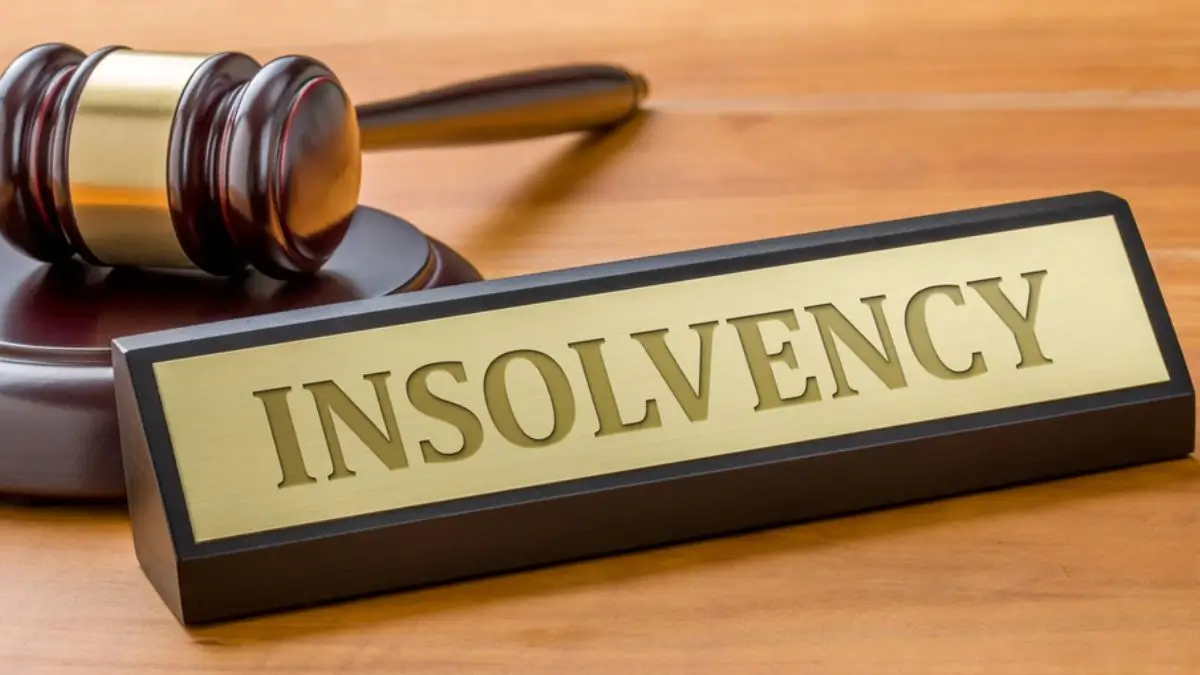
The Government of India has taken a major step toward strengthening the country’s financial ecosystem by approving the Insolvency and Bankruptcy Code (IBC) Amendment Bill 2026. Passed by Parliament in early April 2026, the bill aims to speed up insolvency resolution, reduce delays, and improve creditor confidence.
The IBC, originally introduced in 2016, was designed to streamline the process of resolving distressed companies. However, over time, delays and legal complexities created bottlenecks, necessitating reforms.
Key Features of the IBC Amendment Bill 2026
One of the most important aspects of the amendment is the introduction of strict timelines for insolvency proceedings. The bill mandates faster admission of insolvency cases—within 14 days of default confirmation—reducing procedural delays significantly.
Additionally, the amendments aim to simplify procedures, reduce litigation, and enhance transparency in the insolvency process. These steps are expected to improve efficiency and reduce case backlog in tribunals.
Shift Towards Creditor-Driven Insolvency Framework
A major reform introduced by the bill is the creditor-driven insolvency model. Under this framework, financial creditors can initiate insolvency proceedings with greater control over the process.
This new model includes:
- Out-of-court settlement mechanisms
- Debtor-in-possession approach
- Creditor-in-control supervision
This change is expected to make the insolvency process faster and less dependent on lengthy judicial procedures, improving overall efficiency.
Reduction in Case Backlog and Faster Resolution
India has been facing a significant backlog of insolvency cases, with thousands pending before tribunals. The amendment addresses this issue by tightening deadlines and introducing faster approval mechanisms.
By reducing delays, the bill aims to ensure quicker resolution of stressed assets, which will ultimately strengthen the banking system and improve credit flow in the economy.
Introduction of Cross-Border and Group Insolvency
For the first time, the amendment introduces provisions for cross-border insolvency and group insolvency.
This means:
- Companies operating in multiple countries can be resolved efficiently
- Multiple entities within a corporate group can undergo coordinated resolution
These reforms align India’s insolvency framework with global best practices and enhance investor confidence.
Focus on Revival Over Liquidation
The government has emphasized that the objective of the amendments is not liquidation but revival of stressed companies. The reforms aim to preserve businesses, protect jobs, and maximize value for stakeholders.

Why This News is Important
Boost to Ease of Doing Business
The IBC Amendment Bill 2026 is crucial for improving India’s ease of doing business. Faster insolvency resolution ensures that businesses facing financial distress can either recover quickly or exit efficiently. This reduces uncertainty for investors and promotes economic stability.
Strengthening Banking and Financial Sector
The banking sector has long been burdened with non-performing assets (NPAs). By speeding up insolvency proceedings, the amendment helps banks recover dues faster, improving liquidity and financial health. This, in turn, enhances credit availability for businesses.
Reduction in Judicial Burden
The introduction of out-of-court mechanisms and stricter timelines reduces the burden on tribunals like the National Company Law Tribunal (NCLT). With over 30,000 cases pending, such reforms are essential to streamline the judicial process.
Alignment with Global Standards
By incorporating cross-border insolvency provisions, India aligns its legal framework with international practices. This makes the country more attractive for foreign investors and multinational corporations.
Historical Context of Insolvency Laws in India
Pre-IBC Era
Before 2016, India had multiple fragmented laws dealing with insolvency, such as the Sick Industrial Companies Act (SICA) and SARFAESI Act. These frameworks were inefficient and time-consuming.
Introduction of IBC in 2016
The Insolvency and Bankruptcy Code, 2016, was introduced as a unified law to resolve insolvency cases within a fixed timeline (initially 180–330 days). It marked a major reform in India’s financial sector.
Challenges in Implementation
Despite its success in resolving over 1,300 companies and recovering significant amounts, delays and litigation reduced its effectiveness.
Need for Amendments
Over time, the need for reforms became evident due to:
- Increasing backlog of cases
- Delays beyond prescribed timelines
- Complex legal procedures
The 2026 amendment addresses these issues by introducing structural changes.
Key Takeaways from This News
| S.No | Key Takeaway |
|---|---|
| 1 | IBC Amendment Bill 2026 aims to speed up insolvency resolution and reduce delays |
| 2 | Introduces creditor-driven insolvency framework with out-of-court mechanisms |
| 3 | Mandates faster admission of cases within 14 days |
| 4 | Adds provisions for cross-border and group insolvency |
| 5 | Focuses on revival of companies rather than liquidation |
FAQs for Exam Preparation
1. What is the Insolvency and Bankruptcy Code (IBC)?
The Insolvency and Bankruptcy Code (IBC), introduced in 2016, is a comprehensive law that consolidates and amends laws relating to reorganization and insolvency resolution of corporate persons, partnership firms, and individuals in India.
2. What is the main objective of the IBC Amendment Bill 2026?
The primary objective is to speed up insolvency resolution, reduce delays, minimize litigation, and improve the recovery rate for creditors.
3. What is meant by a creditor-driven insolvency framework?
It refers to a system where financial creditors have greater control over initiating and managing insolvency proceedings, reducing dependence on lengthy judicial processes.
4. What is the timeline for admitting insolvency cases under the new amendment?
The amendment mandates that insolvency cases should be admitted within 14 days of confirming default.
5. What is cross-border insolvency?
Cross-border insolvency deals with cases where a company has assets or operations in multiple countries, allowing coordinated resolution across jurisdictions.
6. Which institution handles insolvency cases in India?
The National Company Law Tribunal (NCLT) is the primary adjudicating authority for corporate insolvency cases in India.
7. What is the difference between liquidation and resolution?
- Resolution: Attempt to revive the company
- Liquidation: Selling assets to pay creditors when revival is not possible
8. Why was there a need to amend the IBC in 2026?
Due to increasing case backlog, delays beyond prescribed timelines, and complex legal procedures that reduced efficiency.
9. How does the amendment help the banking sector?
It helps banks recover bad loans faster, thereby reducing Non-Performing Assets (NPAs) and improving financial stability.
10. What is group insolvency?
It allows multiple companies within the same corporate group to undergo a coordinated insolvency resolution process.
Some Important Current Affairs Links