








Asia’s Largest Jungle Safari in Haryana Aravalli region across Gurugram and Nuh districts. Explore its zones, eco-tourism scope, legal concerns, and expected impact on employment and biodiversity.
🦁 Haryana to Build Asia’s Largest Jungle Safari: A Groundbreaking Eco‑Tourism Milestone
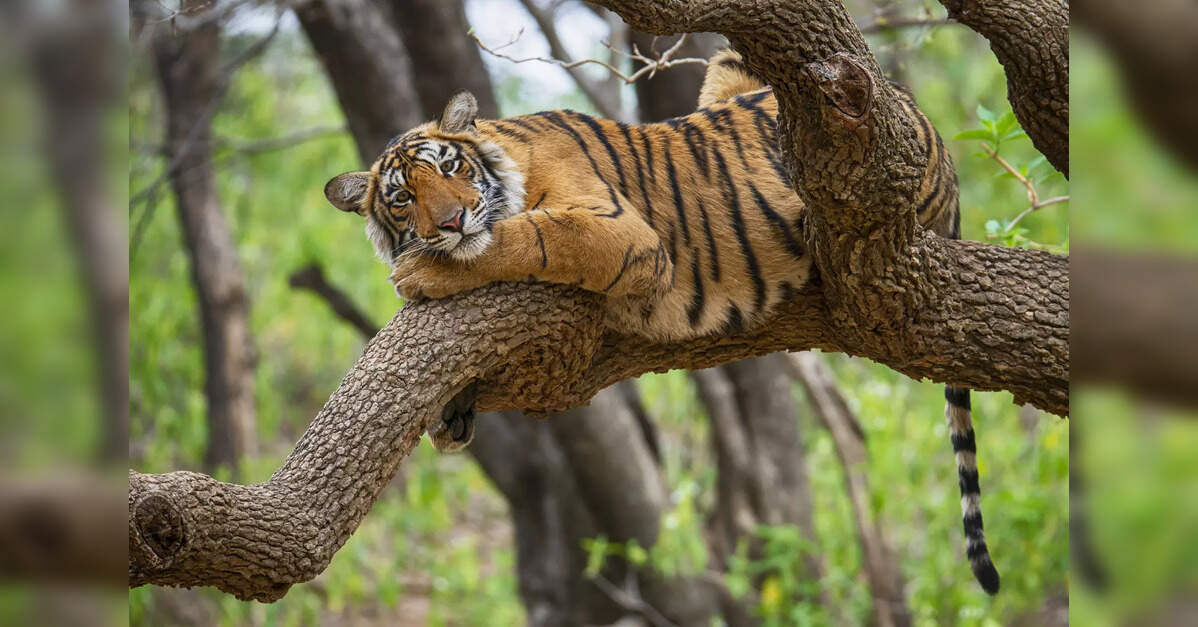
Haryana is set to transform its image from predominantly industrial and agricultural to eco‑tourism leader with the development of Asia’s largest jungle safari in the Aravalli Hills. Spanning 10,000 acres across Gurugram and Nuh districts, this ambitious project takes inspiration from models like Gujarat’s Vantara and aims to foster conservation, education, and sustainable tourism
Scope & Features
The planned safari will feature multiple zones: big‑cat areas, aviaries, herpetariums, large herbivore sections, an underwater world, botanical gardens, and themed biomes—from tropical to desert landscapes. Tourist-friendly facilities will include battery-powered vehicles, cable cars, nature trails, restaurants, and eco‑lodges
Strategic Planning & Funding
The project emerges from a collaboration between the Haryana Forest & Tourism Departments and the Ministry of Environment, Forest & Climate Change. Two global firms have been shortlisted through an international Expression of Interest, with the Central Zoo Authority granting technical approval. The Aravalli Foundation will oversee implementation and operations, with federal co-funding anticipated
Benchmarked Excellence
Officials, including CM Nayab Singh Saini and Union Minister Bhupender Yadav, visited benchmark facilities like Sharjah Safari, Gujarat’s Vantara, and Gorewada (Nagpur) to ensure the highest standards in wildlife welfare and visitor experience
Conservation & Community Impact
The initiative dovetails with the Aravalli Green Wall Project, which focuses on afforesting native species, improving groundwater, and reinforcing biodiversity. Around 180 bird species, 15 mammals, 29 reptile/aquatic species, and 57 butterfly species are expected to benefit Moreover, the project promises to create jobs for local youth—in hospitality, guiding, and conservation roles—as well as promote homestays under a new policy
Challenges & Controversies
Environmental groups argue that the project encroaches on legally designated forests (under PLPA, Forest Conservation Act, and Supreme Court orders), threatening ecological balance. They’ve petitioned the Supreme Court and NGT, asserting that the proposed construction—including cable cars and hotels—violates environmental laws and may disturb wildlife habitats
Why This News Matters
Boost to Exam‑Relevant Topics
This project is a prime example of environmental conservation, forest laws, eco‑tourism, and sustainable development, key themes in competitive exams like UPSC, state PSCs, banking, police, and defence services. Understanding its legal complexities, ecological implications, and governance models enhances candidates’ ability to analyze similar real-world examples.
Multi‑sectoral Relevance
- Environment & Ecology: Connects to forest protection acts, biodiversity, and conservation initiatives.
- Geography & Resources: Focus on the Aravalli range—a significant landform in PSC syllabi.
- Economics & Employment: Job creation, rural upliftment, and tourism-driven GDP growth.
- Polity & Governance: Reflects centre-state collaboration, legal frameworks, and public‑private partnerships.
- Ethics & Integrity: Balancing development with environmental ethics and law compliance.
Current Affairs Anchor
As this project unfolds (possibly by 2027) and navigates legal hurdles, it remains a current and evolving story. Exam aspirants should stay updated on implementation stages, court decisions, and ecological outcomes.
Historical Context: Learning from the Past
- Aravalli Green Wall (proposed since 2019): A 1,600 km tree-planting initiative aimed at revitalizing the Aravalli ranges from Delhi to Gujarat
- Sharjah Safari (UAE): Currently the world’s largest curated safari outside Africa (~2,000 acres, since Feb 2022), serving as the benchmark for Haryana
- Indian safari models: Domestic examples like Vantara (Gujarat) and Gorewada (Nagpur) have informed design and operational strategy
- Legal precedents: Supreme Court and NGT rulings limiting construction within protected forests (e.g., MC Mehta case) underline ongoing legal scrutiny
This background situates Haryana’s safari within India’s green tourism revolution, regional planning, and the tension between development and conservation.
Key Takeaways from “Haryana’s Jungle Safari”
| S. No | Key Takeaway |
|---|---|
| 1 | The project will span 10,000 acres in the Aravalli Hills across Gurugram & Nuh—planning to be Asia’s largest jungle safari. |
| 2 | It includes 10 themed zones: big cats, herbivores, aviaries, herpetariums, underwater world, biomes, and eco-tourism facilities. |
| 3 | Jointly implemented by Haryana Forest & Tourism Depts and the Union Environment Ministry; financed via federal partnership and approved by Central Zoo Authority. |
| 4 | Aims to boost eco‑tourism, wildlife conservation, afforestation (Green Wall), and local employment including homestays and “Van Mitra” roles. |
| 5 | Faces legal challenges due to alleged forest land violations, and scrutiny under the Supreme Court and NGT to adhere to environmental laws. |
✅ Frequently Asked Questions (FAQs)
1. What is the total area of the proposed Haryana jungle safari?
The proposed jungle safari will cover 10,000 acres in the Aravalli Hills, making it the largest in Asia.
2. Which departments are jointly implementing the jungle safari project?
The project is a collaboration between the Haryana Forest Department, Haryana Tourism Department, and the Ministry of Environment, Forest & Climate Change.
3. Which two districts in Haryana will the safari span?
The jungle safari will be located across Gurugram and Nuh districts.
4. Which wildlife elements will the safari include?
It will feature zones for big cats, aviaries, herbivores, reptiles, underwater animals, and biomes representing different habitats.
5. What is the Aravalli Green Wall Project?
It’s an afforestation initiative aimed at restoring the Aravalli ecosystem and combating desertification from Delhi to Gujarat.
6. How does the safari support employment?
The project will generate jobs in eco-tourism, guiding, hospitality, and conservation roles like “Van Mitras” and homestay owners.
7. Why is the project facing legal scrutiny?
Environmentalists argue that it violates existing laws protecting forest areas, leading to petitions in the Supreme Court and NGT.
8. Which international safari models influenced the Haryana project?
Officials studied Sharjah Safari (UAE), Vantara in Gujarat, and Gorewada in Nagpur for reference.
9. What role does the Central Zoo Authority play in this project?
The Central Zoo Authority (CZA) has provided technical approval for the safari project, ensuring animal welfare standards.
10. When is the safari expected to be completed?
Although no official deadline has been confirmed, the implementation is underway and is projected to be functional by 2027.
Some Important Current Affairs Links