

Gyan Bharatam Mission launched by PM Modi aims to digitise over one crore ancient Indian manuscripts with a ₹60 crore budget in 2025–26. Know its goals, budget, historical roots, and key takeaways for UPSC, SSC, and other government exams.
“PM Modi Launches Gyan Bharatam Mission to Digitise Ancient Manuscripts”
Introduction: Digital Preservation of India’s Heritage
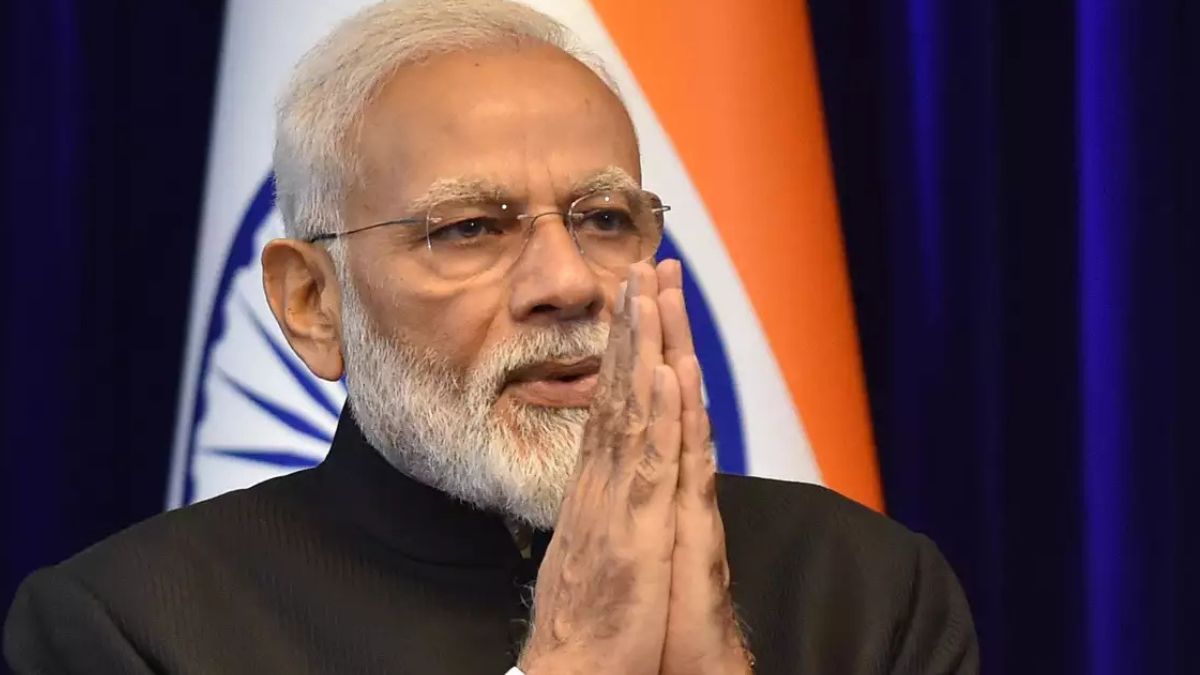
Prime Minister Narendra Modi, in the 124th episode of Mann Ki Baat aired on July 28, 2025, formally unveiled the Gyan Bharatam Mission. This ambitious initiative—announced in the Union Budget 2025–26—marks a major step to digitise over one crore (10 million) ancient manuscripts across India
National Digital Repository: A Global Portal
Under the mission, these manuscripts will be systematically digitised to form a National Digital Repository (NDR). This digital library aims to provide worldwide access to India’s intellectual legacy—enabling students, researchers, and academicians to interact with traditional knowledge systems seamlessly
Scope and Reach: Survey, Conservation, Digitisation
The project encompasses nationwide surveying, documentation, conservation, and publishing efforts. Manuscripts held across libraries, museums, academic institutions, and private collections will be catalogued and preserved scientifically. The digitisation drive will ensure long-term accessibility and secure storage
Budget Allocation: Significant Funding Boost
Financial support for this scheme saw a sharp increase—from ₹3.5 crore in earlier budgets to ₹60 crore in the 2025–26 budget. This reflects the government’s commitment to heritage preservation as part of the broader Viksit Bharat vision
Citizen Participation: Mobilising Collective Effort
PM Modi called upon every state and civil society to actively participate in locating, preserving, and sharing manuscripts. Emphasising their identity as “chapters of India’s soul,” the Prime Minister encouraged a collective national effort to preserve traditional manuscripts for future generations
Policy Synergy and Cultural Narratives
The Gyan Bharatam Mission integrates with initiatives like language revitalisation, heritage infrastructure, and UNESCO-supported recognition of Indian historical sites. It is more than a digitisation scheme—it’s a strategic step to reaffirm India’s civilizational identity in a digital age
B) Why This News Is Important
Significance for Exam Aspirants
The Gyan Bharatam Mission represents a significant government scheme directly relevant to government exam syllabi like UPSC, SSC, banking, railways, defence, and police services. Questions may revolve around objectives, funding, and implementation phases of such schemes.
Impact on Cultural Heritage and Research
Digitising over one crore manuscripts ensures preservation of India’s intangible heritage. For aspirants in civil services or cultural affairs, understanding the scope and rationale behind such initiatives is essential. The creation of a National Digital Repository marks a transformation in accessibility for researchers globally.
Reflects Budgetary Priorities and Policy Focus
The sharp rise in allocation—from ₹3.5 crore to ₹60 crore—demonstrates how cultural heritage preservation has been prioritized in the recent Central Budget. Recognition of such financial details can be crucial in questions concerning government budgeting and thematic focus areas.
C) Historical Context
Roots in National Mission for Manuscripts
In 2003, India launched the National Mission for Manuscripts (NMM) under the Indira Gandhi National Centre for the Arts (IGNCA), aiming to document, preserve, and promote manuscript heritage throughout the country
Over two decades, the NMM has evolved and expanded. In the 2025–26 Union Budget, it was restructured into the Gyan Bharatam Mission as a Central Sector Scheme spanning 2024–31, with a total outlay of approximately ₹482.85 crore dedicated to comprehensive preservation, digitisation, translation, and capacity building
Broader Policy Environment
This mission aligns with India’s ongoing efforts to promote civilizational pride, digitise cultural assets, and integrate traditional knowledge with modern technology frameworks. It also dovetails with other UNESCO recognitions and heritage infrastructure projects in recent years
Key Takeaways from Gyan Bharatam Mission
| S. No. | Key Takeaway |
|---|---|
| 1 | Gyan Bharatam Mission launched on July 28, 2025 via Mann Ki Baat, aims to digitise over one crore ancient manuscripts |
| 2 | A National Digital Repository (NDR) will be set up for global academic access to India’s manuscript heritage |
| 3 | The mission expanded funding from ₹3.5 crore to ₹60 crore in Budget 2025–26 under Vision Viksit Bharat |
| 4 | The initiative involves survey, documentation, conservation, digitisation, translation, and publication of manuscripts |
| 5 | Designed as a Central Sector Scheme for 2024–31 with total allocation approx ₹482.85 crore, replacing the earlier NMM |
Frequently Asked Questions (FAQs)
1. What is the Gyan Bharatam Mission?
The Gyan Bharatam Mission is a central government initiative launched by Prime Minister Narendra Modi to digitise over one crore ancient Indian manuscripts and create a National Digital Repository for global access.
2. When was the Gyan Bharatam Mission launched?
It was officially launched on July 28, 2025, during the 124th episode of Mann Ki Baat.
3. What is the budget allocated for the Gyan Bharatam Mission in 2025–26?
The Government of India allocated ₹60 crore to the mission in the Union Budget 2025–26, a significant increase from the earlier ₹3.5 crore.
4. What is the purpose of the National Digital Repository?
The repository aims to provide digital access to India’s manuscript heritage for researchers, students, and academicians across the world.
5. What are the key components of the mission?
The mission includes surveying, documenting, conserving, digitising, translating, and publishing ancient manuscripts.
6. Who will benefit from the Gyan Bharatam Mission?
Researchers, historians, scholars, students preparing for competitive exams, and the general public interested in India’s civilizational knowledge will benefit from this initiative.
7. What was the precursor to this initiative?
The National Mission for Manuscripts (NMM), started in 2003 under IGNCA, served as the foundation for the Gyan Bharatam Mission.
8. Which ministry is executing the Gyan Bharatam Mission?
It is being implemented under the Ministry of Culture, Government of India.
9. How long will the Gyan Bharatam Mission be active?
The mission is scheduled to run as a Central Sector Scheme from 2024 to 2031.
10. What are some potential exam questions from this topic?
Questions may focus on launch date, budget allocation, components of the scheme, its relation to NMM, and overall objectives related to cultural heritage preservation.
Some Important Current Affairs Links