






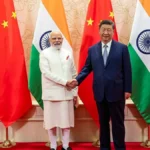

Maruti Suzuki e-Vitara launch in Gujarat marks India’s leap in electric vehicle manufacturing with a new battery plant and $8 billion investment, supporting Make in India and global exports.
PM Modi Launches Maruti Suzuki’s e-Vitara and Battery Plant in Gujarat
Introduction: A Milestone in India’s EV Journey
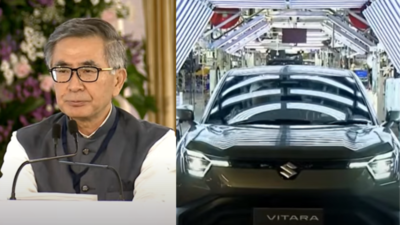
On August 26, 2025, Prime Minister Narendra Modi inaugurated Maruti Suzuki’s first global battery electric vehicle (BEV), the e-Vitara, at the company’s Hansalpur plant in Gujarat. This event marks a significant leap in India’s green mobility and self-reliance initiatives. The e-Vitara, a fully electric SUV, will be exported to over 100 countries, including Japan and several European nations, positioning India as a global hub for electric vehicle manufacturing.
Inauguration of Hybrid Battery Electrode Production
Alongside the e-Vitara launch, PM Modi inaugurated the production of hybrid battery electrodes at the TDS Lithium-Ion Battery Gujarat Private Limited facility. This joint venture between Suzuki, Toshiba, and Denso aims to localize more than 80% of the battery value chain in India, reducing dependence on imports and strengthening the domestic electric vehicle ecosystem.
Suzuki’s $8 Billion Investment in India
Suzuki Motor Corporation has committed to investing $8 billion (approximately ₹70,000 crore) in India over the next five to six years. This investment underscores Suzuki’s confidence in India’s manufacturing capabilities and its strategic importance in the global automotive market. The Hansalpur facility, with a projected capacity of 1 million units annually, is set to become one of the world’s largest auto manufacturing plants.
Strategic Importance of the Hansalpur Facility
The Hansalpur plant is not only a manufacturing hub for the e-Vitara but also a critical site for the production of lithium-ion batteries. The establishment of this facility aligns with India’s broader goals of achieving net-zero emissions by 2070 and enhancing its position in the global electric vehicle supply chain.
Global Export and ‘Make in India’ Vision
The export of the e-Vitara to over 100 countries signifies a major achievement in the ‘Make in India’ initiative. PM Modi emphasized that the world will now drive electric vehicles labeled ‘Made in India,’ reflecting the nation’s growing prowess in manufacturing and technological innovation.
Why This News Is Important
Boosting India’s EV Ecosystem
The launch of the e-Vitara and the hybrid battery electrode production facility marks a significant advancement in India’s electric vehicle ecosystem. By localizing battery production, India reduces its reliance on imports, ensuring a more sustainable and self-reliant EV infrastructure.
Strengthening Bilateral Relations
The collaboration between Suzuki, Toshiba, and Denso highlights the strengthening of Indo-Japanese ties. This partnership not only facilitates technology transfer but also fosters economic cooperation between the two nations.
Economic Implications
Suzuki’s substantial investment in India is expected to generate employment, stimulate local economies, and enhance India’s position in the global automotive industry. The Hansalpur plant’s capacity expansion further underscores India’s growing manufacturing capabilities.
Environmental Impact
The introduction of the e-Vitara aligns with India’s commitment to reducing carbon emissions. By promoting electric mobility, the country takes a significant step towards achieving its environmental sustainability goals.
Strategic Positioning
The establishment of a global manufacturing hub in Gujarat positions India as a key player in the international electric vehicle market, attracting further investments and technological advancements.
Historical Context
India’s Electric Vehicle Journey
India’s foray into electric vehicles began with the government’s initiatives to promote clean energy and reduce pollution. Over the years, policies such as the Faster Adoption and Manufacturing of Hybrid and Electric Vehicles (FAME) scheme have been introduced to incentivize EV adoption.
Suzuki’s Role in India
Suzuki has been a significant player in India’s automotive sector, with Maruti Suzuki being the leading car manufacturer in the country. The company’s commitment to electric mobility signifies a pivotal shift towards sustainable transportation solutions.
Global Trends in EV Manufacturing
The global automotive industry is increasingly shifting towards electric vehicles, driven by environmental concerns and technological advancements. India’s entry into the global EV market reflects this broader industry trend and positions the country as a competitive player.
Key Takeaways from ‘PM Modi Launches Maruti Suzuki’s e-Vitara and Battery Plant in Gujarat’
| S.No | Key Takeaway |
|---|---|
| 1 | PM Modi inaugurated Maruti Suzuki’s e-Vitara, India’s first global BEV, at the Hansalpur plant in Gujarat. |
| 2 | The e-Vitara will be exported to over 100 countries, including Japan and Europe, marking a significant achievement in India’s ‘Make in India’ initiative. |
| 3 | The TDS Lithium-Ion Battery Gujarat facility commenced production of hybrid battery electrodes, localizing over 80% of the battery value chain in India. |
| 4 | Suzuki Motor Corporation announced an $8 billion investment in India over the next five to six years, underscoring its commitment to the Indian market. |
| 5 | The Hansalpur plant, with a projected capacity of 1 million units annually, is set to become one of the world’s largest auto manufacturing facilities. |
FAQs: Frequently Asked Questions
1. What is the e-Vitara launched by PM Modi?
The e-Vitara is Maruti Suzuki’s first global battery electric vehicle (BEV) launched in Gujarat. It is a fully electric SUV designed for global export.
2. Where was the e-Vitara launched?
The e-Vitara was launched at Maruti Suzuki’s Hansalpur plant in Gujarat on August 26, 2025.
3. Which countries will the e-Vitara be exported to?
The e-Vitara will be exported to over 100 countries, including Japan and several European nations.
4. What is the significance of the battery plant inaugurated alongside the e-Vitara?
The TDS Lithium-Ion Battery Gujarat facility will produce hybrid battery electrodes, localizing over 80% of the battery value chain in India, reducing import dependence.
5. How much investment is Suzuki Motor Corporation making in India?
Suzuki has announced an investment of $8 billion (around ₹70,000 crore) over the next five to six years to expand its EV and auto manufacturing capabilities.
6. What is the projected production capacity of the Hansalpur plant?
The Hansalpur plant is expected to have a production capacity of 1 million units annually, making it one of the world’s largest auto manufacturing facilities.
7. How does the e-Vitara launch support India’s environmental goals?
By promoting electric mobility and localizing battery production, the e-Vitara supports India’s commitment to reducing carbon emissions and achieving net-zero targets.
8. Which companies are collaborating with Suzuki for battery production?
Suzuki is collaborating with Toshiba and Denso to produce hybrid battery electrodes in India.
Some Important Current Affairs Links