





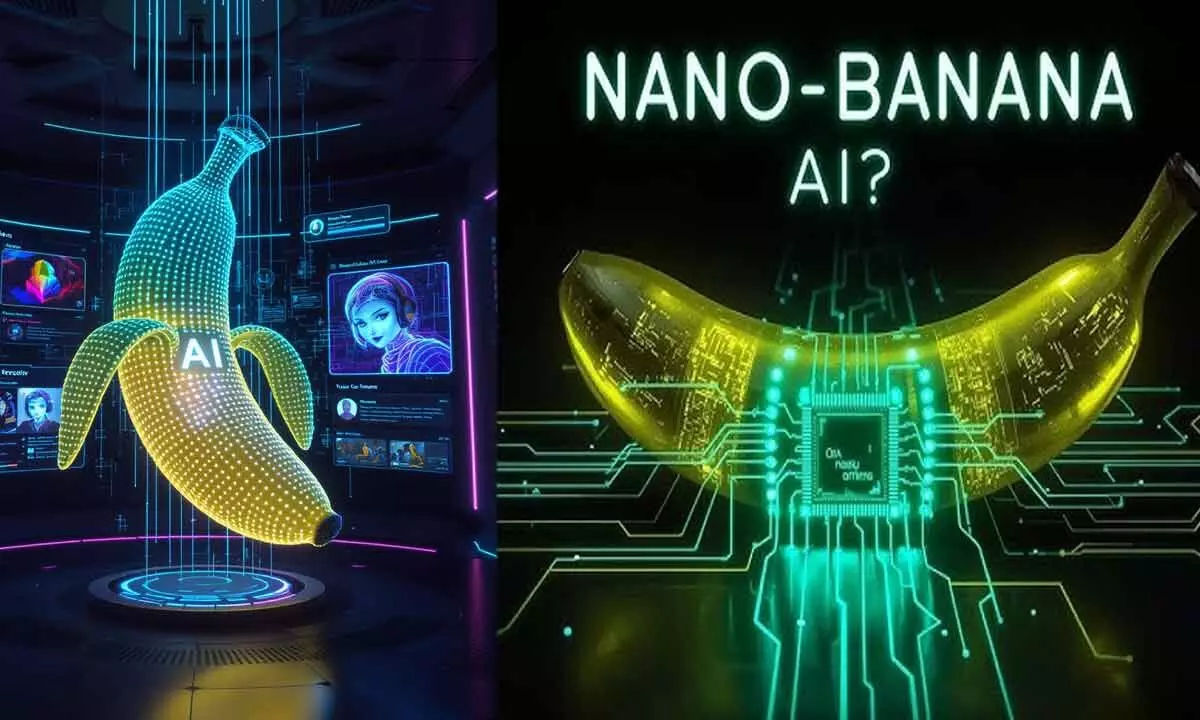
Google Nano Banana AI tool, officially Gemini 2.5 Flash Image, is Google DeepMind’s latest innovation in photo editing with multi-turn edits, style mixing, and SynthID watermarking.
Google Introduces ‘Nano Banana’ AI Photo-Editing Tool in Gemini
Revolutionary AI Tool for Realistic Image Editing
Google has introduced Nano Banana, a powerful new AI-driven image editing model embedded in its Gemini app—also known as Gemini 2.5 Flash Image. Developed by Google DeepMind, this tool elevates image manipulation by maintaining consistent likenesses of people, pets, and objects across multiple edits, offering accuracy and realism previously missing in AI editing tools.
Multi-Turn Editing: Precision at Every Step
A standout feature of Nano Banana is its multi-turn editing capability. Users can iteratively refine images—such as redecorating a room or changing a hairstyle—without compromising the rest of the image. This comes with the added flexibility of style mixing, letting users apply textures or patterns from one image onto another (e.g., flower-petal textures onto rain boots).
Seamless Blending of Photos and Environments
Another powerful function is multi-image fusion. Users can blend multiple photos to craft imaginative scenes—like combining a selfie with a pet photo for a fun joint portrait. The tool’s prompt-based editing also enables natural-language commands for precise edits such as background changes, pose adjustments, color enhancements, or object removals.
Availability, Watermarking, and Industry Recognition
Nano Banana is now globally available to all Gemini users—both free and paid—across mobile and web platforms. Every edited image includes a visible watermark and an invisible SynthID digital watermark for transparency. It has already earned top marks in early evaluations, including ranking as the world’s leading image editing AI model.
Caveats and Deepfake Concerns
Despite its advantages, Nano Banana still has limitations—basic edits like precise cropping aren’t supported yet. Additionally, concerns persist regarding its misuse; the watermarks, especially the invisible one, could be bypassed or are not yet widely detectable. This raises red flags over potential misuse in deepfake creation and misinformation.
Why This News Matters
Enhancing Exam-Relevant Tech Knowledge
For students training for competitive exams—whether in teaching, banking, railways, police, or civil services (UPSC, PCS)—staying updated on cutting-edge tech like Nano Banana is crucial. AI and machine learning are increasingly integrated into questions on current affairs, digital innovation, and technology-driven governance.
Addressing Examination Themes
The unveiling of Nano Banana touches on multiple exam-relevant themes:
- Digital Governance & Ethics: Discussions around AI watermarking and deepfake risks relate directly to debates on digital ethics and regulatory frameworks.
- Technological Innovation: The multi-turn editing and style mixing capabilities exemplify India’s and the world’s AI advancement narratives.
- Global Tech Competition: Google’s leadership underscores global competition in AI development, a recurring topic in general studies and tech-focused segments.
Strategic Revision Value
This story is ideal for framing answers in descriptive essays or interviews about AI’s societal impact, tech governance challenges, and India’s position in global tech trends—serving as a solid example of innovation with both promise and ethical complications.
Historical Context
Evolution of AI-Powered Image Editing
Before Nano Banana, AI tools could generate new images but struggled with visual consistency—subtle inaccuracies in facial features or objects made edited images appear uncanny or unnatural.
Gemini and Google’s AI Journey
Google introduced native image editing within the Gemini app earlier in 2025, offering simple edit capabilities. Nano Banana (Gemini 2.5 Flash Image) emerges as a substantial upgrade—rock-solid consistency, multi-turn edits, and blending—which directly addresses earlier limitations.
Naming and Buzz
The tool’s quirky codename, Nano Banana, was hinted at by CEO Sundar Pichai through playful social media banana emojis—further fueling public intrigue and anticipation before its official reveal.
Key Takeaways from “Google’s Nano Banana Launch”
| S.No. | Key Takeaway |
|---|---|
| 1 | Nano Banana ⟶ Gemini 2.5 Flash Image: Google’s advanced AI model for image editing, developed by DeepMind. |
| 2 | Character Consistency: Maintains likeness of people, pets, and objects across multiple edits. |
| 3 | Multi-Turn & Style Editing: Enables iterative refinements and style mixing for creative control. |
| 4 | Global Access & Watermarks: Available to all Gemini users; includes visible and SynthID invisible watermarks. |
| 5 | Ethical Concerns Remain: Challenges like cropping limitations and deepfake misuse highlight need for regulation. |
FAQs – Frequently Asked Questions
Q1. What is Google’s Nano Banana AI photo-editing tool?
Google’s Nano Banana, also known as Gemini 2.5 Flash Image, is an AI-powered photo-editing model developed by Google DeepMind that offers realistic, consistent, and multi-turn image editing.
Q2. Why is Nano Banana important for competitive exams?
It is a significant technological development under artificial intelligence, often covered in current affairs, science & technology, and ethics sections of exams like UPSC, PSC, banking, railways, and SSC.
Q3. How does Nano Banana ensure transparency in edited images?
The tool applies both visible watermarks and invisible SynthID watermarks to edited images to prevent misuse and enhance authenticity.
Q4. What unique features does Nano Banana offer compared to older AI tools?
It ensures likeness consistency across edits, supports multi-turn refinements, style mixing, and multi-image fusion—features rarely seen in earlier AI tools.
Q5. What are the ethical concerns with Nano Banana?
The main concerns include the possibility of misuse in deepfakes, misinformation, and challenges in regulating AI-generated content despite watermarks.
Q6. Who developed Nano Banana AI model?
It was developed by Google DeepMind, the AI research lab of Google.
Q7. Is Nano Banana available to all users?
Yes, it is available globally to all Gemini users on both free and paid plans, across mobile and web platforms.
Q8. What exam subjects can this news be linked to?
It is linked to Science & Technology, Ethics, Digital Governance, Artificial Intelligence, and Global Affairs, all relevant for civil services, banking, SSC, and defence exams.
Q9. Why was it nicknamed ‘Nano Banana’?
The codename Nano Banana was hinted by Sundar Pichai on social media through banana emojis, creating buzz before its launch.
Q10. How does Nano Banana handle deepfake concerns?
While Google has introduced watermarking, critics argue that invisible watermarks can be bypassed, making regulation and detection key challenges.
Some Important Current Affairs Links