





GST two-tier regime 2025 introduces simplified tax rates of 5% and 18%, exempting insurance premiums and boosting affordability of essential goods. Learn impact on electronics, automobiles, and economy.
GST Council Introduces Two-Tier Regime from September 22: Key Reforms Unveiled
Introduction to the New GST Structure
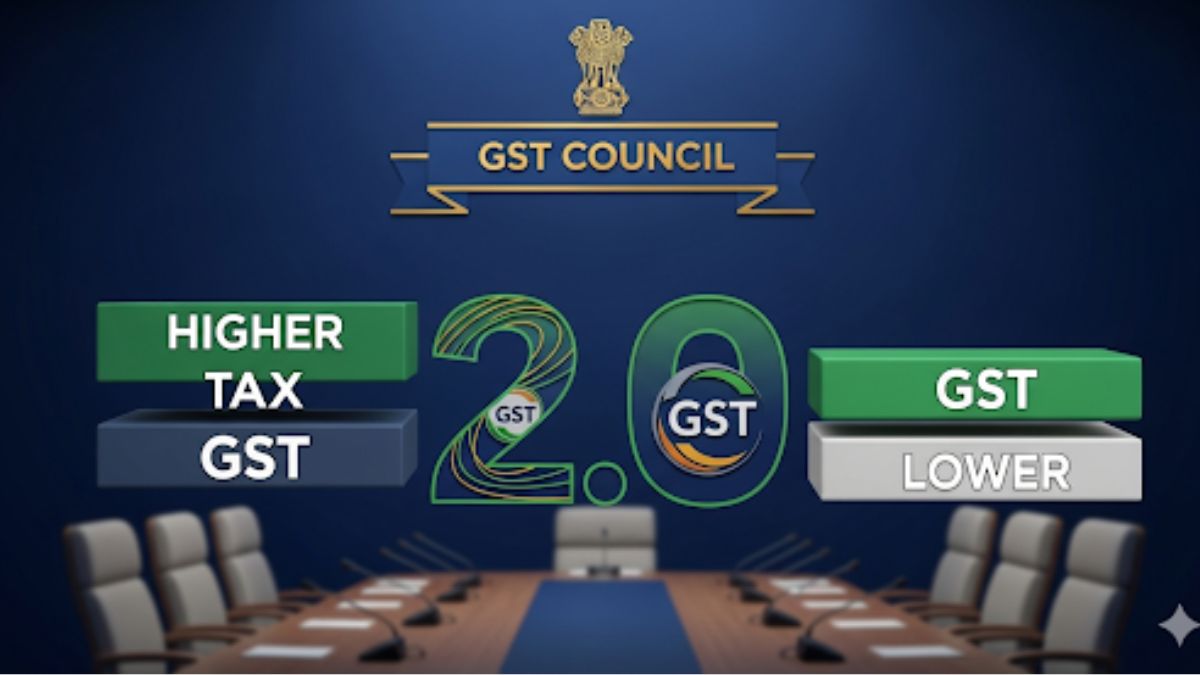
In a significant move, the Goods and Services Tax (GST) Council has approved a comprehensive overhaul of India’s GST framework. Effective from September 22, 2025, the country will transition from a four-tier tax system to a simplified two-tier structure. This reform aims to streamline compliance and reduce the tax burden on consumers.
Details of the Two-Tier Tax System
The new GST structure introduces two primary tax slabs:
- 5% Tax Slab: Applicable to essential goods and services, including packaged food items, personal care products, and household items.
- 18% Tax Slab: Encompasses standard goods and services, such as electronics, automobiles, and other non-essential items.
Additionally, a special 40% tax slab has been introduced for luxury and sin goods, including high-end automobiles and tobacco products
Impact on Various Sectors
Consumer Goods: Everyday items like hair oil, soaps, toothpaste, and bicycles will now fall under the 5% tax slab, making them more affordable for the general public.
Electronics and Appliances: Products such as air conditioners, televisions, and washing machines will see a reduction in tax rates, transitioning from the previous 28% to 18%, thereby lowering prices for consumers.
Insurance: Both life and health insurance premiums will be exempt from GST, aiming to make insurance more accessible and affordable.
Automobiles: Small cars and motorcycles with engine capacities up to 350cc will be taxed at 18%, while larger vehicles will attract a 40% tax rate.

Why This News is Important
Simplification of Tax Structure: The move from a four-tier to a two-tier GST system simplifies the tax landscape, making it easier for businesses and consumers to understand and comply with tax regulations.
Economic Stimulus: By reducing taxes on essential goods and services, the government aims to boost domestic consumption, which is expected to stimulate economic growth, especially in the post-pandemic recovery phase.
Affordability and Accessibility: The exemption of GST on insurance premiums and the reduction in taxes on everyday items make essential services and products more affordable for the common man, promoting inclusivity.
Sectoral Benefits: Sectors like electronics, automobiles, and insurance stand to benefit from the tax reforms, potentially leading to increased demand and growth in these industries.
Alignment with Festive Season: Implementing these changes ahead of the festive season, starting with Navaratri, is strategically timed to maximize the positive impact on consumer spending.
Historical Context
The Goods and Services Tax was introduced in India on July 1, 2017, replacing multiple indirect taxes with a single unified tax system. Over the years, the GST framework has undergone several revisions to address emerging challenges and improve efficiency. The decision to simplify the tax structure to two slabs reflects the government’s commitment to enhancing ease of doing business and promoting economic growth.
Key Takeaways from “GST Council Introduces Two-Tier Regime from September 22”
| # | Key Takeaway |
|---|---|
| 1 | Introduction of Two-Tier GST Structure: Simplification from four to two tax slabs (5% and 18%). |
| 2 | Implementation Date: New tax rates effective from September 22, 2025. |
| 3 | Exemption on Insurance Premiums: Life and health insurance premiums will no longer attract GST. |
| 4 | Reduced Tax Rates on Consumer Goods: Everyday items like hair oil, soaps, and bicycles taxed at 5%. |
| 5 | Higher Tax on Luxury Goods: A 40% tax slab introduced for high-end automobiles and tobacco products. |
FAQs on GST Two-Tier Regime
1. What is the new GST structure introduced by the GST Council?
The GST Council has introduced a two-tier tax structure with 5% and 18% tax slabs, effective from September 22, 2025. Luxury and sin goods attract a 40% tax rate.
2. Which items are included in the 5% GST slab?
Essential goods such as packaged food, personal care products, soaps, hair oil, toothpaste, and bicycles are taxed at 5% under the new system.
3. Are insurance premiums affected by the GST reform?
Yes, both life and health insurance premiums are exempt from GST under the new regime, making insurance more affordable for consumers.
4. What is the tax rate for luxury goods under the new regime?
Luxury goods, including high-end automobiles and tobacco products, fall under the special 40% GST slab.
5. Why has the GST Council implemented these changes now?
The changes are aimed at simplifying the tax system, promoting economic growth, boosting consumer demand, and aligning the reforms with the festive season to maximize impact.
6. How will the reform impact electronics and household appliances?
Products such as air conditioners, televisions, and washing machines will move from the 28% slab to 18%, making them more affordable.
7. From when is the two-tier GST structure applicable?
The new GST structure will come into effect on September 22, 2025.
Some Important Current Affairs Links