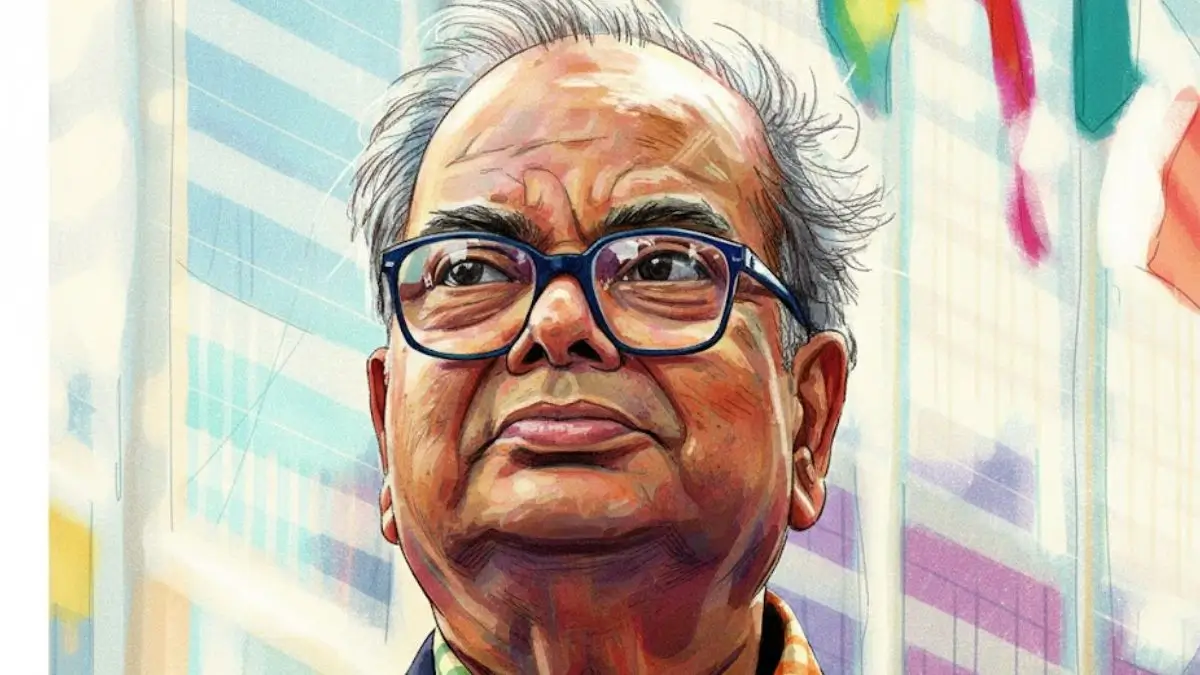









Gandhian socialist Dr. G G Parikh passes away at 100. Explore his freedom struggle, post-independence activism, Yusuf Meherally Centre, and lessons for civil services aspirants.
Dr. G G Parikh: A Life Dedicated to Gandhian Ideals and Social Justice
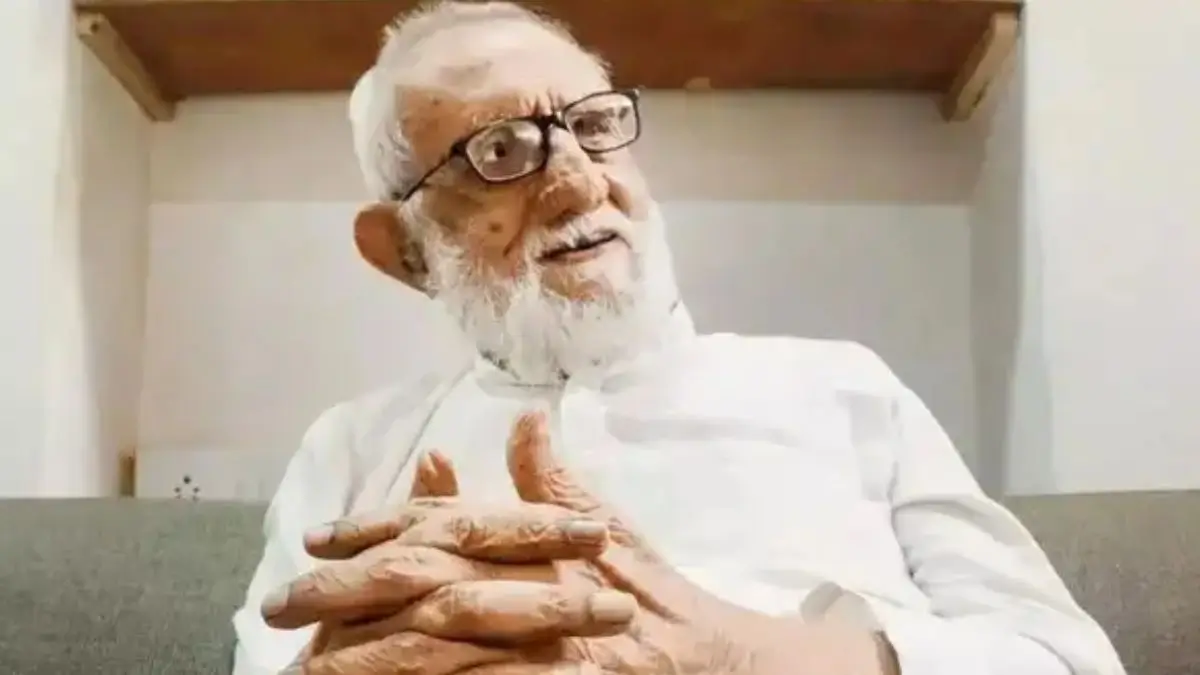
Dr. Gunvantrai Ganpatlal Parikh, a stalwart of India’s freedom struggle and a champion of Gandhian socialism, passed away in Mumbai on October 2, 2025, at the age of 100. His demise coincided with the 156th birth anniversary of Mahatma Gandhi, underscoring the deep connection between his life and Gandhian principles.
Early Life and Entry into the Freedom Movement
Born in Saurashtra, Gujarat, Dr. Parikh was deeply influenced by the socio-political climate of pre-independence India. His educational journey took him through various regions, including Rajasthan, Uttar Pradesh, and Mumbai, where he was exposed to diverse cultural and political ideologies. In the early 1940s, he became actively involved in student activism, participating in movements across Saurashtra and Mumbai. His commitment to the cause led him to join the Quit India Movement in 1942, resulting in his imprisonment for 10 months.
Post-Independence Activism and Political Involvement
Following India’s independence, Dr. Parikh continued his advocacy for social justice and equality. He played a pivotal role in the Samyukta Maharashtra Movement, which sought the creation of the state of Maharashtra, and the Goa Liberation Movement, aiming to end Portuguese colonial rule in Goa. His political journey was marked by his association with the socialist wing of the Indian National Congress, founded after his release from prison during the Quit India Movement.
Establishment of the Yusuf Meherally Centre
In 1957, Dr. Parikh founded the Yusuf Meherally Centre (YMC) near Panvel in Raigad district, Maharashtra. The center became a hub for rural development, focusing on empowering marginalized communities through education, vocational training, and promoting self-sufficiency. Under his leadership, YMC implemented various programs aimed at uplifting the underprivileged, reflecting his commitment to Gandhian values of self-reliance and community service.
Imprisonment During the Emergency
Dr. Parikh’s unwavering commitment to social causes led to his arrest during the Emergency imposed by then-Prime Minister Indira Gandhi in 1975. His detention was a testament to his relentless pursuit of justice and his opposition to authoritarianism. Despite facing repression, he remained steadfast in his beliefs, continuing to advocate for democracy and human rights.
Legacy and Final Act of Service
Dr. Parikh’s life was a testament to his dedication to service and selflessness. Honoring a vow made with his wife, Mangalaben Parikh, who had also donated her body in 2010, Dr. Parikh’s body was donated to Sir J.J. Hospital in Mumbai after his passing. This act of body donation was a continuation of his lifelong commitment to the betterment of society, even in death.
Why This News is Important
Inspiration for Civil Services Aspirants
Dr. Parikh’s life exemplifies the values of integrity, perseverance, and dedication to public service. For students preparing for civil services exams, his journey offers valuable lessons in commitment to societal welfare and the importance of ethical leadership.
Understanding Gandhian Socialism
His advocacy for Gandhian socialism provides insights into India’s socio-political landscape post-independence. Understanding his contributions aids in comprehending the evolution of political ideologies in India, a crucial aspect for various competitive exams.
Historical Context
Dr. Parikh’s involvement in significant movements like the Quit India Movement, Samyukta Maharashtra Movement, and Goa Liberation Movement places him at the heart of India’s struggle for independence and subsequent state formation. His experiences offer a firsthand account of the challenges and triumphs during these pivotal moments in Indian history.
Key Takeaways from “Dr. G G Parikh: A Life Dedicated to Gandhian Ideals and Social Justice”
| S.No | Key Takeaway |
|---|---|
| 1 | Dr. G G Parikh was a prominent freedom fighter and Gandhian socialist, actively participating in India’s independence movement. |
| 2 | He played a significant role in the Samyukta Maharashtra and Goa Liberation Movements, advocating for regional autonomy and freedom. |
| 3 | Founder of the Yusuf Meherally Centre, he focused on rural development and empowerment of marginalized communities. |
| 4 | Imprisoned during both the Quit India Movement and the Emergency, reflecting his unwavering commitment to democratic values. |
| 5 | His final act of body donation to Sir J.J. Hospital exemplifies his lifelong dedication to service and selflessness. |
FAQs: Frequently Asked Questions
1. Who was Dr. G G Parikh?
Dr. G G Parikh was a prominent Gandhian socialist, freedom fighter, and social activist from India. He actively participated in the Quit India Movement and post-independence socio-political movements such as the Samyukta Maharashtra Movement and Goa Liberation Movement.
2. When did Dr. G G Parikh pass away?
He passed away on October 2, 2025, at the age of 100, coinciding with Mahatma Gandhi’s 156th birth anniversary.
3. What were Dr. Parikh’s major contributions after independence?
Dr. Parikh contributed to rural development through the establishment of the Yusuf Meherally Centre. He worked on empowering marginalized communities with education, vocational training, and self-reliance initiatives.
4. Was Dr. Parikh ever imprisoned?
Yes, he was imprisoned during the Quit India Movement in 1942 for 10 months and later during the Emergency in 1975 for opposing authoritarian measures.
5. What is the significance of his body donation?
Following the footsteps of his wife, Dr. Parikh donated his body to Sir J.J. Hospital in Mumbai, reflecting his lifelong dedication to service and Gandhian values.
6. What is Gandhian socialism and how did Dr. Parikh contribute to it?
Gandhian socialism promotes equality, non-violence, self-reliance, and social welfare. Dr. Parikh applied these principles through social activism, rural development, and grassroots empowerment initiatives.
7. Which movements was Dr. Parikh associated with in post-independence India?
He was associated with the Samyukta Maharashtra Movement and the Goa Liberation Movement, advocating for state formation and liberation from colonial rule.
8. Why is Dr. Parikh relevant for competitive exams?
His life reflects India’s freedom struggle, post-independence state movements, Gandhian philosophy, and civic leadership—all key topics in civil service, banking, railways, defense, and teaching exams.
9. Where is the Yusuf Meherally Centre located?
It is located near Panvel in Raigad district, Maharashtra.
10. What lesson can aspirants learn from Dr. Parikh’s life?
Aspirants can learn the importance of integrity, service to society, resilience in adversity, and dedication to democratic and Gandhian principles.
Some Important Current Affairs Links