




First woman PCI president Sangeeta Barooah Pisharoty makes history in Press Club of India elections 2025. Learn about her victory, leadership, and significance for Indian journalism.
Press Club of India Elects Sangeeta Barooah Pisharoty as Its First Woman President
Historic Election Outcome at PCI
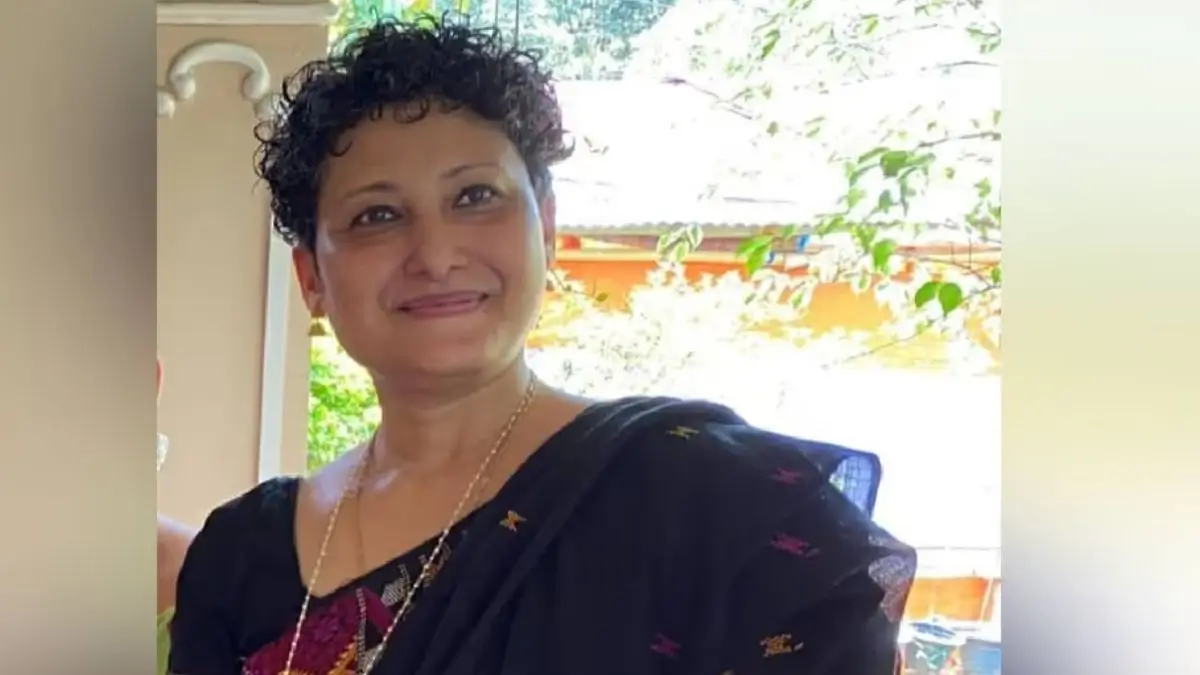
Senior journalist Sangeeta Barooah Pisharoty has made history by being elected the first woman President of the prestigious Press Club of India (PCI), marking a watershed moment in Indian journalism. The election was held on 13 December 2025, and the results were declared the following day in New Delhi. Pisharoty, representing her panel, secured an emphatic victory and led her team to sweep all office‑bearer and managing committee positions with a resounding 21‑0 mandate, underlining a strong endorsement from members of the press fraternity.
About Sangeeta Barooah Pisharoty
Sangeeta Barooah Pisharoty is a senior and widely respected journalist known for her insightful reporting and extensive experience across Indian media. Her election not only represents a personal achievement but also breaks a longstanding gender barrier in one of India’s most influential professional journalistic organisations. In the elections, she secured 1,019 votes, decisively defeating her rivals Atul Mishra and Arun Sharma, who received 129 and 89 votes, respectively.
Clean Sweep of Office‑Bearers
Alongside Pisharoty’s milestone presidency, her panel secured key leadership roles in the PCI:
- Afzal Imam was elected Secretary‑General with 948 votes.
- Jatin Gandhi became Vice‑President, tallying 1,029 votes.
- Aditi Rajput (Treasurer) and P. R. Sunil (Joint Secretary) were elected unopposed.
In addition, 16 members were elected to the managing committee, representing a diverse cohort of journalists from print, broadcast, and digital media platforms.
Significance for Indian Journalism
The Press Club of India, established in the late 1950s, has long been a central institution for media professionals. While women journalists have contributed significantly to Indian media for decades, none had previously held the club’s top leadership post. Pisharoty’s election signals progress in gender equality, inclusivity, and regional representation — especially as she also represents the North East journalistic community.
Expectations from New Leadership
With her mandate, Pisharoty has indicated a focus on strengthening press freedom, enhancing professional solidarity among journalists, and addressing emerging challenges in media ethics and safety. Her leadership is expected to play an important role in amplifying concerns related to the welfare of working journalists and reinforcing the role of PCI as a pivotal voice in Indian and global media discourse.

📌 Why This News Is Important for Exam Aspirants
Significance for Government and Competitive Exams
The election of Sangeeta Barooah Pisharoty as the first woman President of the Press Club of India is an important current affairs topic for competitive exams like UPSC Civil Services, PSCs, Banking, SSC, and Defence exams because it intersects with multiple themes frequently tested in general studies and current affairs sections.
Gender Equality and Leadership
This event highlights progressive shifts in leadership representation — particularly women’s empowerment in traditionally male‑dominated institutions. Questions on gender representation, inclusivity, and leadership diversity may appear in General Studies Paper I/II.
Media and Society
The press plays a crucial role in democratic societies. Understanding the structures and leadership of key media organisations such as the PCI helps in answering questions related to Role of Media, Freedom of Press, and Civil Society under GS Paper II. Sangeeta’s election underscores evolving dynamics in Indian journalism.
Regional Representation
As Pisharoty also represents the Northeast, her election touches upon regional inclusion, an important factor in Indian polity and social structures — a topic relevant to many competitive exams.
Contemporary Affairs Awareness
Being aware of such historic ‘firsts’ and institutional changes boosts an aspirant’s ability to write effective essays, descriptive answers, and enrich interview discussions with fresh, relevant examples.
📚 Historical Context: Evolution of Press Leadership in India
Formation and Role of the Press Club of India
The Press Club of India (PCI) was founded in the late 1950s in New Delhi, serving as a professional body for journalists across India. It provides a platform for media persons to interact, share viewpoints, and advocate for press freedom and professional standards. Traditionally, leadership posts in the PCI have been held by senior male journalists, reflecting historical gender imbalances in media governance.
Gender Barriers in Indian Media Leadership
Although women have been making significant contributions to Indian journalism — reporting on key social, political, and economic issues — leadership positions in many core media institutions remained male‑dominated for decades. Sangeeta Barooah Pisharoty’s election is therefore a breaking of a longstanding glass ceiling within one of the most prestigious press bodies in India.
Progressive Shift in Institutional Representation
Her election reflects broader societal changes where more women are assumed to assume leadership across professional sectors. This mirrors similar milestones in Indian public life, such as women judges in the Supreme Court, women governors, and heads of public institutions — indicating an expanding landscape of gender equality.
🗝️ Key Takeaways from Press Club of India Elects First Woman President
| S. No. | Key Takeaway |
|---|---|
| 1 | Sangeeta Barooah Pisharoty became the first woman President of the Press Club of India (PCI). |
| 2 | Her election marked the first time in the PCI’s history that a woman headed the organisation. |
| 3 | Pisharoty’s panel achieved a 21‑0 clean sweep in office‑bearer and managing committee positions. |
| 4 | The Press Club of India is a key institution representing journalists across print, digital, and broadcast media. |
| 5 | The election is a significant milestone for gender equality and inclusive leadership in Indian media institutions. |
FAQs: Frequently Asked Questions
1. Who is Sangeeta Barooah Pisharoty?
Sangeeta Barooah Pisharoty is a senior Indian journalist who was elected as the first woman President of the Press Club of India (PCI) in December 2025. She represents the North East journalistic community and has a strong background in print and digital media reporting.
2. When was Sangeeta Barooah Pisharoty elected as PCI President?
She was elected on 13 December 2025, and the results were declared on 14 December 2025.
3. What is the Press Club of India?
The Press Club of India (PCI), founded in the late 1950s in New Delhi, is a professional body that brings together journalists from print, broadcast, and digital media. It provides a platform for media discussions, press freedom advocacy, and professional networking.
4. Why is this election significant?
This election is significant because Pisharoty is the first woman to lead PCI, marking a historic milestone in gender equality and inclusive leadership in Indian media institutions.
5. How many votes did Sangeeta Barooah Pisharoty receive?
She received 1,019 votes, defeating her competitors Atul Mishra (129 votes) and Arun Sharma (89 votes).
6. Who were elected along with Pisharoty in the PCI elections?
- Afzal Imam: Secretary-General (948 votes)
- Jatin Gandhi: Vice-President (1,029 votes)
- Aditi Rajput: Treasurer (unopposed)
- P. R. Sunil: Joint Secretary (unopposed)
16 other members were elected to the Managing Committee.
7. How does this news relate to competitive exams?
This event is relevant for exams like UPSC, PSC, SSC, Banking, Railways, and Defence as it highlights current affairs, media governance, gender representation, and regional inclusion — common topics in general studies papers.
8. Which region does Sangeeta Barooah Pisharoty represent?
She represents the North Eastern region of India, bringing regional diversity to PCI leadership.
9. What are the expectations from her leadership?
Her leadership focuses on press freedom, professional solidarity, journalists’ welfare, and media ethics, while promoting inclusive representation in media governance.
10. What is the significance of a clean sweep by her panel?
Her panel won all office-bearer and managing committee positions (21-0 mandate), indicating strong support from PCI members and ensuring cohesive leadership for upcoming policies and initiatives.
Some Important Current Affairs Links