









The Birth of Journalism in India: The First Newspaper
Introduction to India’s First Newspaper
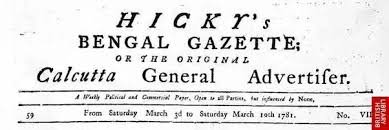
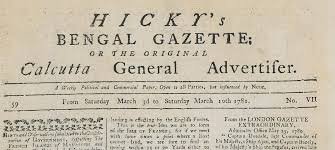
The inception of journalism in India dates back to the 18th century with the launch of the first newspaper, The Bengal Gazette, also known as Hicky’s Gazette, on January 29, 1780. Founded by James Augustus Hicky, this weekly publication marked a significant milestone in the history of Indian media. It was notable for its bold reporting and its critical stance towards the British colonial government.
The Features of Hicky’s Gazette
Hicky’s Gazette was a four-page publication that included various content, such as news, opinions, and advertisements. What set it apart was its fearless approach to journalism, often publishing content that was controversial and critical of British officials. Hicky’s dedication to revealing the truth, even in the face of adversity, resonated with the public, leading to increased readership and influence.
Challenges Faced by Hicky’s Gazette
Despite its popularity, Hicky’s Gazette faced severe backlash from the British authorities. The colonial government viewed the newspaper as a threat to their control and tried to suppress it. Hicky himself faced legal battles, and the newspaper was ultimately shut down in 1782. However, its legacy endured, inspiring future generations of journalists and media outlets in India.
The Evolution of Indian Journalism
The establishment of Hicky’s Gazette paved the way for other newspapers in India, leading to a flourishing media landscape. Following its footsteps, various newspapers emerged, including The Hindustan Times and The Times of India, which played pivotal roles in India’s struggle for independence. The media evolved to become a powerful tool for social change and political awareness, shaping public opinion and fostering democratic values.
Conclusion: A Legacy of Courage and Integrity
The birth of Hicky’s Gazette is a testament to the courage and integrity of early Indian journalists. It not only laid the foundation for a vibrant press in India but also demonstrated the vital role that journalism plays in a democratic society. Today, as India celebrates its rich media heritage, the spirit of Hicky’s Gazette continues to inspire journalists to uphold truth and accountability.
Why This News is Important
Understanding the Roots of Indian Journalism
The history of the first newspaper in India provides crucial insights into the evolution of journalism and the media’s role in shaping public discourse. Understanding this legacy is essential for students preparing for government exams, as it highlights the importance of free speech and the responsibilities of journalists in a democratic society.
Implications for Modern Media
The challenges faced by Hicky’s Gazette resonate with contemporary issues surrounding press freedom and censorship. By studying these historical events, students can better appreciate the ongoing struggles for journalistic integrity and the importance of safeguarding the media’s role in society.
Historical Context
The Emergence of Print Media in India
The introduction of the printing press in India in the 16th century laid the groundwork for the emergence of print media. By the 18th century, several newspapers began to emerge, with Hicky’s Gazette being the first to make a significant impact. The rise of print media coincided with the growing demand for information and the dissemination of ideas among the Indian populace.
The Role of Colonial Powers
The British colonial government implemented various laws and regulations to control the press, reflecting their fears of dissent and rebellion. Hicky’s Gazette’s struggle against censorship illustrates the tense relationship between the media and colonial authorities, a theme that has persisted throughout Indian history.
Key Takeaways from “The Birth of Journalism in India”
| Serial Number | Key Takeaway |
|---|---|
| 1 | Hicky’s Gazette was the first newspaper in India, launched in 1780. |
| 2 | Founded by James Augustus Hicky, it was known for its bold reporting. |
| 3 | The newspaper faced significant challenges from the British authorities. |
| 4 | Its legacy influenced the emergence of other newspapers in India. |
| 5 | Hicky’s Gazette symbolizes the importance of journalistic integrity in a democracy. |
Important FAQs for Students from this News
What was the first newspaper in India?
The first newspaper in India was Hicky’s Bengal Gazette, published in 1780.
Who founded Hicky’s Gazette?
It was founded by James Augustus Hicky.
Why was Hicky’s Gazette important?
It is significant for being the first newspaper in India and for its bold stance against British colonial authorities.
What challenges did Hicky’s Gazette face?
Hicky’s Gazette faced censorship and suppression from the British colonial government, leading to its shutdown in 1782.
How did Hicky’s Gazette influence Indian journalism?
It paved the way for future newspapers in India and emphasized the importance of journalistic freedom and integrity.
Some Important Current Affairs Links




