









First Mushroom Scientist BSI, Dr Kanad Das has been appointed as Director of Botanical Survey of India. Learn about his contributions to mycology, fungal research, and biodiversity conservation.
🧠 India Appoints First Mushroom Scientist as Director of Botanical Survey of India (BSI)
Introduction: A Historic Appointment in Indian Mycology
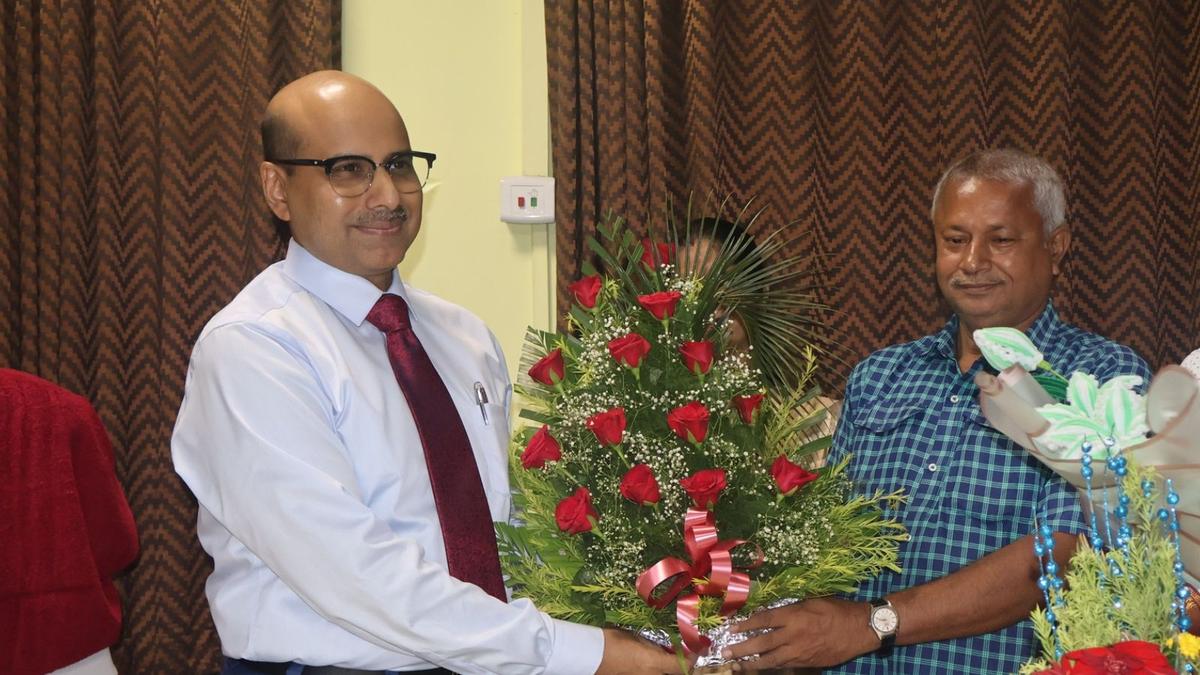
In a significant development for Indian botanical sciences, Dr. Kanad Das has been appointed as the new Director of the Botanical Survey of India (BSI). This appointment, approved by the Appointments Committee of the Cabinet (ACC) on September 6, 2025, marks a historic moment as Dr. Das becomes the first mycologist to lead the institute
Background of the Botanical Survey of India
Established in 1890, the BSI operates under the Ministry of Environment, Forest and Climate Change (MoEFCC). It serves as India’s premier research institute focusing on plant diversity, taxonomy, and conservation. The appointment of Dr. Das as the 13th Director since Independence underscores the evolving recognition of mycology within the broader botanical research framework.
Dr. Kanad Das: A Pioneer in Mycology
Dr. Kanad Das, a native of Bengal, has been associated with BSI since 1999, beginning as a Junior Research Fellow at the Northern Regional Centre in Dehradun. Over the past two decades, he has established himself as a leading authority in mushroom research, blending classical taxonomy with molecular phylogeny to explore and document India’s fungal wealth. His scientific contributions are remarkable: the discovery of two new genera and 165 new species of wild mushrooms from India, alongside 170 research papers in top international journals including Nature Portfolio (Scientific Reports), Fungal Diversity, and Mycologia.
Significance of the Appointment
Dr. Das’s appointment signifies a paradigm shift in India’s botanical research priorities. His leadership is expected to steer BSI towards a more inclusive approach, integrating fungal studies with traditional plant research. This move aligns with global trends recognizing the importance of fungi in biodiversity and ecosystem health.
Future Directions Under Dr. Das’s Leadership
Under Dr. Das’s guidance, BSI is poised to enhance its focus on fungal biodiversity, conservation, and sustainable utilization. His expertise in molecular phylogeny and fungal taxonomy will likely lead to the establishment of comprehensive fungal databases, contributing to both national and international mycological research initiatives.
📌 Why This News Is Important
Advancement in Botanical Research
The appointment of Dr. Kanad Das as the Director of BSI is a landmark event in the field of botanical research in India. It highlights the growing importance of mycology in understanding biodiversity and ecosystem dynamics.
Promotion of Fungal Studies
Dr. Das’s leadership is expected to promote fungal studies, an often-overlooked area in botanical research, leading to a more holistic approach to plant and fungal taxonomy.
Integration of Molecular Techniques
His expertise in molecular phylogeny will facilitate the integration of advanced molecular techniques in BSI’s research, enhancing the accuracy and depth of taxonomic studies.
Contribution to Global Mycology
The discoveries made by Dr. Das and his team, including new genera and species of mushrooms, contribute significantly to global mycological knowledge, positioning India as a key player in fungal research.
Inspiration for Future Scientists
Dr. Das’s journey from a Junior Research Fellow to the Director of BSI serves as an inspiration for aspiring scientists, particularly in the field of mycology, showcasing the potential for growth and contribution to scientific advancement.
🕰️ Historical Context: Evolution of the Botanical Survey of India
Foundation and Early Years
The Botanical Survey of India was established on February 13, 1890, during the British Raj, with the primary objective of exploring and documenting India’s plant diversity. Over the years, BSI has played a pivotal role in the discovery and classification of numerous plant species across the country.
Expansion of Research Focus
Initially focused on higher plants, BSI gradually expanded its research scope to include lower plants and fungi, recognizing the integral role of these organisms in ecosystems. This expansion led to the inclusion of mycology as a significant research area within the institute.
Modernization and Technological Integration
In recent decades, BSI has embraced modern research methodologies, incorporating molecular techniques and digital tools to enhance the accuracy and efficiency of its studies. The appointment of Dr. Das, a specialist in molecular phylogeny, aligns with this modernization effort, signaling a commitment to advancing research capabilities.
Focus on Conservation and Sustainability
With increasing environmental challenges, BSI has intensified its focus on conservation and sustainable utilization of plant and fungal resources. Under Dr. Das’s leadership, it is anticipated that BSI will further strengthen its conservation initiatives, contributing to the preservation of India’s rich biodiversity.
✅ Key Takeaways from “India Appoints First Mushroom Scientist to Lead BSI”
| S.No. | Key Takeaway |
|---|---|
| 1 | Historic Appointment: Dr. Kanad Das becomes the first mycologist to lead the Botanical Survey of India, marking a significant milestone in Indian botanical sciences. |
| 2 | Extensive Research Contributions: Dr. Das has discovered over 165 new species and two new genera of wild mushrooms in India, contributing significantly to mycological knowledge. |
| 3 | Integration of Molecular Techniques: His expertise in molecular phylogeny will enhance BSI’s research capabilities, promoting advanced methodologies in fungal studies. |
| 4 | Focus on Fungal Conservation: Under Dr. Das’s leadership, BSI is expected to intensify efforts in the conservation and sustainable utilization of fungal resources. |
| 5 | Inspiration for Aspiring Scientists: Dr. Das’s journey from a Junior Research Fellow to the Director of BSI serves as an inspiration for future scientists in the field of mycology. |
FAQs: Frequently Asked Questions
1. Who is the first mushroom scientist appointed as Director of BSI?
Dr. Kanad Das has been appointed as the first mycologist (mushroom scientist) to lead the Botanical Survey of India (BSI).
2. When was Dr. Kanad Das appointed as the Director of BSI?
He was appointed by the Appointments Committee of the Cabinet (ACC) on September 6, 2025.
3. What are Dr. Kanad Das’s major contributions to mycology?
He has discovered 165 new species and 2 new genera of wild mushrooms from India and published over 170 research papers in international journals.
4. What is the main role of the Botanical Survey of India?
BSI is India’s premier institute for plant taxonomy, biodiversity documentation, and conservation, operating under the Ministry of Environment, Forest and Climate Change.
5. Why is Dr. Das’s appointment significant for botanical research in India?
It highlights the increasing importance of mycology and fungal research, promotes advanced molecular studies, and strengthens conservation initiatives.
6. Where did Dr. Kanad Das start his career in BSI?
He began his career in 1999 as a Junior Research Fellow at the Northern Regional Centre in Dehradun.
7. Which journals has Dr. Das published his research in?
His research has been published in top international journals, including Nature Portfolio (Scientific Reports), Fungal Diversity, and Mycologia.
8. How will BSI benefit under Dr. Das’s leadership?
BSI will enhance fungal biodiversity studies, integrate molecular phylogeny in research, and strengthen conservation and sustainable utilization of fungi.
9. When was the Botanical Survey of India established?
BSI was established on February 13, 1890, during the British era.
10. How does Dr. Das’s appointment inspire future scientists?
His journey from a Junior Research Fellow to Director demonstrates the potential for growth and significant contributions in the field of mycology.
Some Important Current Affairs Links