







Exercise Konkan 2025 India UK strengthens bilateral naval cooperation with INS Vikrant and HMS Prince of Wales, enhancing maritime security and interoperability in the Indo-Pacific region.
Exercise Konkan-25: Strengthening India-UK Maritime Cooperation
Introduction
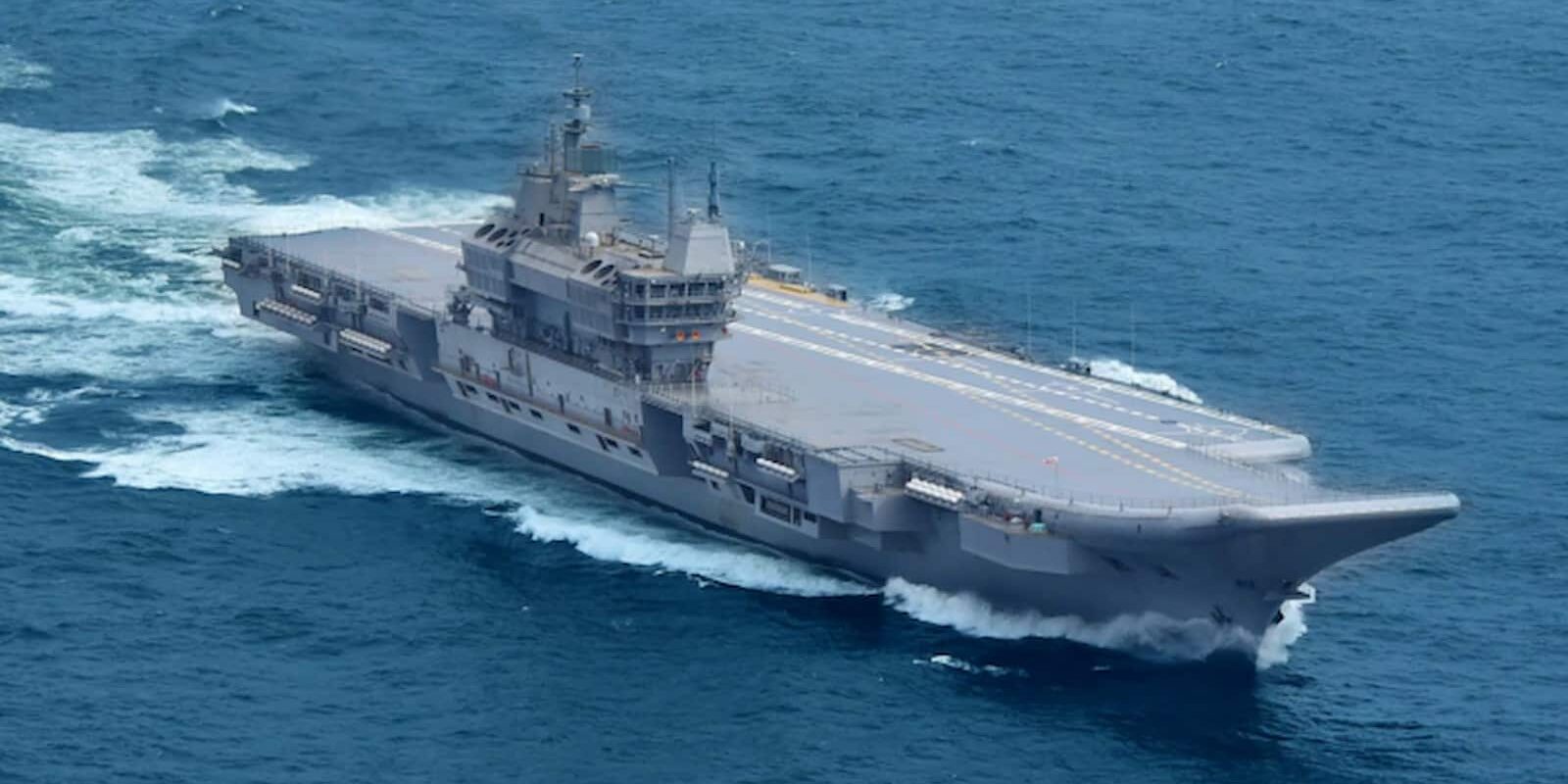
On October 5, 2025, the Indian Navy and the Royal Navy of the United Kingdom commenced Exercise Konkan-25 off India’s western coast. This bilateral naval exercise, now in its third decade, serves as a testament to the growing strategic partnership between the two nations. Notably, this edition marks the first time both navies have deployed their full carrier strike groups for joint operations. The Indian Navy is represented by its indigenous aircraft carrier, INS Vikrant, while the UK’s Carrier Strike Group is led by HMS Prince of Wales.
Exercise Phases and Objectives
Harbour Phase (October 5–7, 2025):
The initial phase focuses on strengthening interpersonal and professional ties between the two navies. Activities include:
- Professional interactions and cross-deck visits
- Sports fixtures and cultural exchanges
- Joint Working Group meetings
- Subject Matter Expert exchanges
Sea Phase (October 8–12, 2025):
The subsequent phase shifts to high-intensity operational drills at sea, encompassing:
- Anti-Air Warfare (AAW)
- Anti-Surface Warfare (ASuW)
- Anti-Submarine Warfare (ASW)
- Carrier-based flying operations
- Seamanship evolutions
- Coordinated patrols and tactical maneuvers
These exercises aim to enhance interoperability and refine joint operational procedures between the two forces.
Multinational Participation
While the primary participants are the Indian and UK navies, Exercise Konkan-25 also sees the involvement of assets from other nations. Notably, units from Norway and Japan are participating, reflecting the exercise’s growing international scope and the shared commitment to ensuring maritime security and stability in the Indo-Pacific region.
Strategic Significance
Exercise Konkan-25 underscores the deepening defense ties between India and the UK, aligning with the India–UK Vision 2035. By conducting joint operations, both nations aim to bolster maritime security, enhance mutual trust, and promote a rules-based international order in the Indo-Pacific. The participation of advanced assets like INS Vikrant and HMS Prince of Wales highlights the strategic depth of this collaboration.
Why This News is Important
Enhancing Maritime Interoperability
The joint deployment of full carrier strike groups signifies a significant step in enhancing interoperability between the Indian and UK navies. Such exercises provide invaluable opportunities to synchronize operational procedures, share best practices, and address common maritime challenges. This collaboration ensures that both nations are better prepared to respond to emerging maritime threats.
Strengthening Bilateral Defense Relations
Exercise Konkan-25 serves as a concrete manifestation of the growing defense partnership between India and the UK. Regular joint exercises foster deeper mutual understanding, build trust, and pave the way for more extensive collaborations in the future. This strengthened relationship contributes to regional stability and security.
Promoting a Rules-Based Maritime Order
In an era marked by shifting geopolitical dynamics, both India and the UK emphasize the importance of a rules-based international order. Through joint exercises like Konkan-25, they reaffirm their commitment to upholding international maritime laws, ensuring freedom of navigation, and countering any attempts to undermine established norms.
Showcasing Advanced Naval Capabilities
The participation of advanced assets such as INS Vikrant and HMS Prince of Wales highlights the technological advancements and operational capabilities of both navies. Demonstrating these assets in joint exercises not only boosts national pride but also serves as a deterrent to potential adversaries.
Influencing Strategic Alliances in the Indo-Pacific
The Indo-Pacific region is witnessing increased strategic engagements among various nations. By conducting high-profile exercises like Konkan-25, India and the UK signal their intent to play a proactive role in shaping the regional security architecture. Such initiatives encourage other nations to strengthen their defense collaborations, leading to a more cohesive and secure regional environment.
Historical Context
Inception of Exercise Konkan
Exercise Konkan was first held in 2004 as a bilateral naval exercise between India and the UK. Over the years, it has evolved from a biennial event to an annual fixture, reflecting the growing defense ties between the two nations. The exercise has consistently focused on enhancing maritime cooperation, interoperability, and mutual understanding.
Evolution of Naval Cooperation
The participation of advanced assets like aircraft carriers in Exercise Konkan-25 marks a significant milestone in the evolution of naval cooperation between India and the UK. Earlier editions focused on basic maritime drills, but over time, the complexity and scale of the exercises have increased, encompassing a wide range of naval operations.
Strategic Partnerships in the Indo-Pacific
The Indo-Pacific region has become a focal point for global maritime security. India and the UK, both key players in the region, recognize the importance of a collaborative approach to address common challenges. Through exercises like Konkan-25, they aim to strengthen their strategic partnerships and contribute to a stable and secure maritime environment.
Key Takeaways from Exercise Konkan-25
| S.No | Key Takeaway |
|---|---|
| 1. | First joint deployment of full carrier strike groups by India and the UK. |
| 2. | Exercise conducted in two phases: Harbour and Sea. |
| 3. | Participation of multinational assets from Norway and Japan. |
| 4. | Focus on enhancing interoperability and mutual trust. |
| 5. | Part of the broader India–UK Vision 2035 for defense cooperation. |
Conclusion
Exercise Konkan-25 stands as a testament to the deepening defense ties between India and the UK. Through such collaborative efforts, both nations aim to enhance their maritime capabilities, promote regional stability, and contribute to a rules-based international order. For students preparing for government exams, understanding the significance and details of such exercises is crucial, as they reflect the evolving dynamics of international defense relations.
FAQs on Exercise Konkan-25
1. What is Exercise Konkan-25?
Exercise Konkan-25 is a bilateral naval exercise conducted between the Indian Navy and the Royal Navy of the United Kingdom. It aims to enhance maritime cooperation, operational interoperability, and defense relations between the two nations.
2. When and where did Exercise Konkan-25 commence?
The exercise began on October 5, 2025, off India’s western coast. It is conducted in two phases: the Harbour Phase and the Sea Phase.
3. Which major naval assets participated in Exercise Konkan-25?
The Indian Navy deployed its indigenous aircraft carrier INS Vikrant, while the UK’s Carrier Strike Group was led by HMS Prince of Wales. Other multinational assets from Norway and Japan also participated.
4. What are the key objectives of Exercise Konkan-25?
The exercise focuses on enhancing interoperability, conducting anti-air, anti-surface, and anti-submarine warfare drills, carrier-based operations, and strengthening bilateral defense ties between India and the UK.
5. What is the historical significance of Exercise Konkan?
Exercise Konkan started in 2004 as a biennial naval exercise and has evolved into an annual event reflecting growing defense ties. It marks progressive collaboration in joint maritime operations between India and the UK.
6. Why is Exercise Konkan-25 strategically important?
It strengthens regional maritime security, promotes a rules-based international order in the Indo-Pacific, and demonstrates advanced naval capabilities, including the first joint deployment of full carrier strike groups.
7. Which phases are included in Exercise Konkan-25?
The exercise includes the Harbour Phase (professional interactions, cross-deck visits, cultural exchanges) and the Sea Phase (high-intensity operational drills at sea).
8. How does Exercise Konkan-25 impact India–UK defense relations?
It fosters mutual trust, improves operational coordination, and contributes to a stronger strategic partnership under the broader India–UK Vision 2035 framework.
9. What are the major maritime drills conducted during the Sea Phase?
Drills include Anti-Air Warfare (AAW), Anti-Surface Warfare (ASuW), Anti-Submarine Warfare (ASW), carrier-based flying operations, and coordinated patrols.
10. Which other countries are indirectly benefiting from Exercise Konkan-25?
Countries like Norway and Japan, whose naval assets participate, benefit from knowledge exchange, operational interoperability, and regional security collaborations.
Some Important Current Affairs Links