










Electric vehicle sound alerts India: The government mandates AVAS in all new EVs from October 2026 to enhance pedestrian safety and align with global standards.
Introduction to the New Regulation
The Indian government has proposed a significant safety measure aimed at enhancing road safety for pedestrians and other road users. According to a draft notification issued by the Ministry of Road Transport and Highways (MoRTH), all electric passenger and commercial vehicles—specifically those in categories M (passenger vehicles) and N (goods vehicles)—will be required to be equipped with an Acoustic Vehicle Alerting System (AVAS) starting from October 1, 2027.
What Is AVAS and How Does It Work?
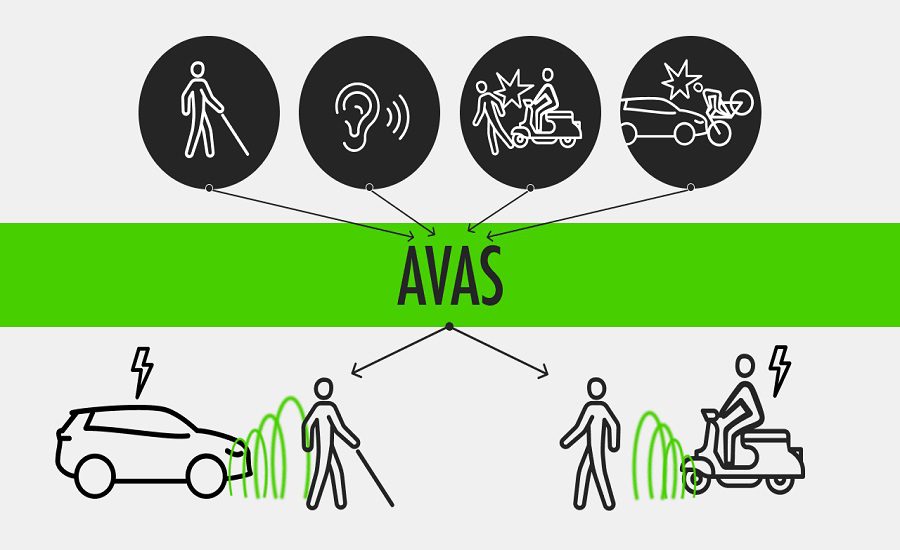
An Acoustic Vehicle Alerting System (AVAS) is a safety feature designed to emit artificial sounds from electric vehicles, alerting pedestrians, cyclists, and other road users of the vehicle’s presence. This is particularly crucial at low speeds, as electric vehicles operate much more quietly than traditional internal combustion engine vehicles. The AVAS will activate automatically when the vehicle moves at speeds up to 20 km/h, ensuring that the vehicle is audible to nearby individuals.
Exemptions and Implementation Timeline
The proposed regulation specifies that all new models of electric vehicles must be equipped with AVAS by October 1, 2026. Existing models will have an additional year, until October 1, 2027, to comply with this requirement. However, it’s important to note that the mandate currently excludes electric two-wheelers, three-wheelers, and e-rickshaws, which also operate silently but are not covered under this regulation.
Global Context and Precedents
India’s move aligns with international standards set by countries like the United States, Japan, and members of the European Union, where similar AVAS regulations have been implemented to enhance pedestrian safety. These countries have recognized the risks posed by silent-running electric vehicles, particularly to visually impaired individuals, and have taken steps to mitigate these risks through mandatory sound alert systems.
Implications for Road Safety
The introduction of AVAS is expected to significantly reduce pedestrian accidents involving electric vehicles. Studies have shown that electric vehicles are more likely to be involved in pedestrian accidents than their internal combustion engine counterparts, primarily due to their silent operation at low speeds. By making these vehicles audible, the government aims to enhance awareness among pedestrians and other road users, thereby improving overall road safety.
Why This News Is Important
Enhancing Pedestrian Safety
The primary objective of implementing AVAS is to improve pedestrian safety. Electric vehicles, due to their quiet operation, pose a risk to pedestrians who may not be aware of their approach, especially at low speeds. By mandating AVAS, the government aims to alert pedestrians and reduce the likelihood of accidents.
Aligning with International Standards
India’s proposed regulation brings the country in line with global practices concerning electric vehicle safety. Countries like the United States, Japan, and members of the European Union have already implemented similar AVAS mandates, recognizing the importance of audible alerts for silent-running vehicles.
Impact on Electric Vehicle Adoption
As electric vehicle adoption continues to grow in India, ensuring their safe integration into existing traffic systems becomes crucial. The AVAS mandate addresses a critical safety concern, potentially increasing public confidence in electric vehicles and encouraging their widespread adoption.
Technological Advancements in Vehicle Safety
The introduction of AVAS reflects a broader trend towards integrating advanced technologies in vehicle safety systems. By adopting such innovations, India demonstrates its commitment to enhancing road safety through technological advancements.
Preparing for Future Regulations
For students preparing for government exams, understanding the implications of such regulations is essential. This development highlights the government’s proactive approach to road safety and environmental concerns, areas likely to be covered in various competitive exams.
Historical Context
Evolution of Electric Vehicle Safety Standards
The need for Acoustic Vehicle Alerting Systems emerged with the increasing adoption of electric vehicles, which operate much more quietly than traditional vehicles. This silent operation posed a risk to pedestrians, particularly those with visual impairments, as they might not hear an approaching vehicle. To address this, countries began implementing regulations requiring electric vehicles to emit artificial sounds at low speeds.
India’s Journey Towards EV Safety
In India, the adoption of electric vehicles has been steadily increasing, driven by government incentives and a push towards sustainable transportation. Recognizing the safety concerns associated with silent-running vehicles, the Ministry of Road Transport and Highways proposed the AVAS mandate to enhance pedestrian safety. This move aligns with global trends and underscores India’s commitment to integrating safety measures in its growing electric vehicle market.
Key Takeaways from “Govt to Mandate Sound Alerts in Electric Vehicles from October 2027”
| S.No | Key Takeaway |
|---|---|
| 1 | All new electric passenger and commercial vehicles must be equipped with Acoustic Vehicle Alerting Systems (AVAS) by October 1, 2026. |
| 2 | Existing electric vehicle models will have until October 1, 2027, to comply with the AVAS requirement. |
| 3 | The AVAS will activate automatically at speeds up to 20 km/h to alert pedestrians and other road users. |
| 4 | The mandate currently excludes electric two-wheelers, three-wheelers, and e-rickshaws. |
| 5 | India’s regulation aligns with international standards set by countries like the US, Japan, and members of the European Union. |
FAQs: Frequently Asked Questions
1. What is the Acoustic Vehicle Alerting System (AVAS)?
AVAS is a safety feature designed to emit artificial sounds from electric vehicles, alerting pedestrians, cyclists, and other road users of the vehicle’s presence, especially at low speeds.
2. When will AVAS become mandatory for new electric vehicles in India?
All new electric passenger and commercial vehicles must have AVAS installed starting October 1, 2026.
3. Are electric two-wheelers and three-wheelers required to have AVAS?
No, the current mandate excludes electric two-wheelers, three-wheelers, and e-rickshaws.
4. What is the primary purpose of AVAS?
The main purpose is to enhance pedestrian safety by alerting them of the silent operation of electric vehicles, particularly at low speeds.
5. How does India’s AVAS regulation compare internationally?
India’s regulation aligns with international safety standards in countries like the United States, Japan, and EU nations, where AVAS is already mandatory.
6. Until when do existing electric vehicles have to comply with AVAS requirements?
Existing electric vehicles have until October 1, 2027, to be retrofitted with AVAS.
7. At what speed does AVAS typically activate?
AVAS activates automatically when the vehicle is moving at speeds up to 20 km/h.
8. Which Indian ministry is responsible for the AVAS mandate?
The Ministry of Road Transport and Highways (MoRTH) is responsible for implementing this regulation.
9. Why are AVAS sounds important for pedestrians?
Electric vehicles are silent, and AVAS sounds help visually impaired and other pedestrians detect approaching vehicles.
10. Could AVAS improve overall road safety in India?
Yes, by making electric vehicles audible, AVAS is expected to reduce accidents involving pedestrians and enhance overall road safety.
Some Important Current Affairs Links