







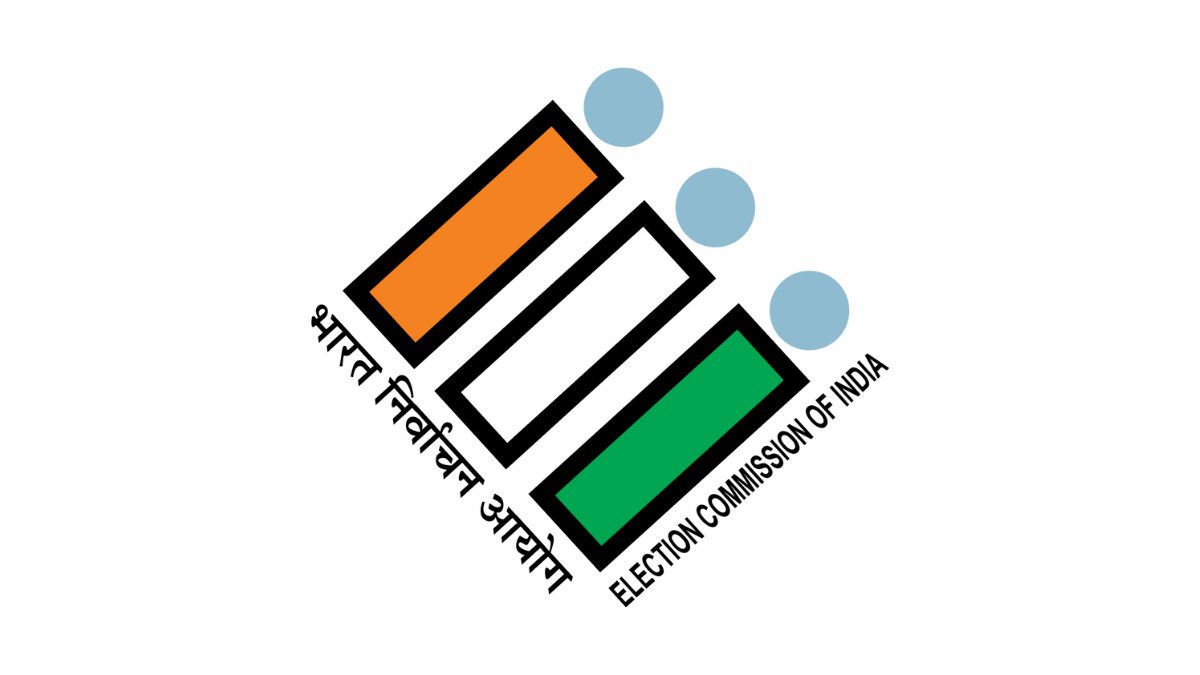
Election reforms in India showcased during the 2025 bye-polls included mobile deposit systems, real-time voter turnout via ECINET app, and 100% polling station webcasting.
India’s Election Reforms in Action: Key Innovations Piloted During Bye-Polls
Introduction
In June 2025, the Election Commission of India (ECI) piloted several groundbreaking reforms during by-elections across five Assembly seats in Gujarat, Kerala, Punjab, and West Bengal. These changes represent a significant push toward enhancing electoral transparency, voter convenience, and administrative efficiency.
Mobile Phone Deposit Facility
A first-of-its-kind initiative saw dedicated mobile-phone deposit systems set up at every polling station. Voters could securely store their devices in jute bags or pigeonhole boxes, managed by volunteers—especially aiding women, senior citizens, and persons with disabilities (PwD). This step helps reduce distractions and curb unauthorized photography or video recording at polling booths
Real-Time Voter Turnout Reporting
Using the revamped ECINET mobile app, presiding officers entered voter turnout data every two hours. Crucially, they also submitted a final report before departing polling sites, ensuring speedy and accurate reporting—even in areas with intermittent connectivity
100% Webcasting at Polling Stations
In an unprecedented move, every polling station in these by-polls was web‑cast live. This allowed real-time monitoring by Returning Officers, District Electoral Officers, and Chief Electoral Officers, significantly providing vigilance and transparency
Mock-Poll Training for Presiding Officers
Ahead of polling day, ECI conducted mock-poll drills tailored for each presiding officer. These drills were designed to ensure proper use of EVMs and seamless adherence to voting protocols
Special Summary Revision of Electoral Rolls
For the first time in two decades, the ECI conducted a Special Summary Revision (SSR) of electoral rolls before by-polls—guaranteeing that electoral lists were updated, accurate, and inclusive
Practical Integration and Future Implications
These reforms were piloted in 1,354 polling stations across five constituencies:
- Gujarat (24-Kadi SC, 87-Visavadar)
- Kerala (35-Nilambur)
- Punjab (64-Ludhiana West)
- West Bengal (80-Kaliganj)
The successful rollout of these measures provides a tested blueprint for larger-scale elections such as the upcoming Bihar Assembly Polls and future Lok Sabha elections. They align closely with CEC Rajiv Kumar’s reform-focused agenda, which includes enhanced surveillance, electoral roll inclusivity (including migrant and third-gender voters), and strengthened accountability for political funding

📌 Why This News Matters
Strengthening Electoral Integrity
With measures like continuous webcasting and real-time turnout updates, the ECI aims to reinforce public confidence in election outcomes. Transparency at every polling station level significantly deters malpractice.
Enhancing Voter Experience
Innovations such as mobile phone deposits and effective aid for PwD, seniors, and women make voting more accessible, safe, and focused—key to improving participation.
Administrative Efficiency
By training presiding officers via mock polls and swiftly updating electoral rolls, the ECI minimizes polling irregularities and logistical delays.
Benchmark for Future Polling
These pilot initiatives establish ground-tested models for future large-scale elections, such as the Bihar Assembly polls, enhancing the quality of democratic processes.
Aligns with Ongoing Reforms
These initiatives are part of a broader reform wave led by CEC Kumar, building upon earlier efforts such as roll revisions, inclusion of marginalized voters, and crackdown on unregulated political entities
🏛️ Historical Context
Track Record of Electoral Reform
India’s electoral system has undergone steady modernization. Under former CEC V. S. Sampath, methodologies such as VVPAT trails, SVEEP voter-awareness campaigns, standardized polling stations, and expenditure controls including flying squads were widely introduced
Evolution of Technology in Elections
Pilot programs like webcasting and EVM rollouts began in state and by-elections in the early 2010s. The 2015 Bihar Assembly polls saw VVPAT introduction, early smartphone-based beat polling systems, and photo electoral rolls, paving the way for today’s innovations .
Broader Political Commitment
Groups such as the Association for Democratic Reforms (ADR) have championed transparency and accountability. Their activism has prompted voter-affidavit disclosures and stricter oversight of political funding through litigation and Supreme Court judgements
📊 Key Takeaways from “India’s Election Reforms in Action”
| # | Key Takeaway |
|---|---|
| 1 | Mobile deposit facility was introduced at all 1,354 polling stations to restrict phone use and improve voter privacy. |
| 2 | ECINET app was used to report voter turnout every two hours and a final update before closing—enhancing accuracy. |
| 3 | 100% polling station webcasting enabled real-time transparency and monitoring across all five constituencies. |
| 4 | Mock-poll training equipped presiding officers to handle EVMs and protocols perfectly. |
| 5 | Special Summary Revision of electoral rolls—first time in 20 years—ensured updated and comprehensive voter lists. |
Frequently Asked Questions (FAQs)
Q1. What is the purpose of the mobile phone deposit facility at polling stations?
The mobile phone deposit facility was introduced to prevent distractions, maintain voting confidentiality, and enhance security within polling premises.
Q2. Which app was used for real-time voter turnout reporting in the bye-elections?
The ECINET mobile application was used to record and update voter turnout data every two hours.
Q3. What is significant about the Special Summary Revision conducted during these bye-polls?
For the first time in two decades, the Election Commission carried out a Special Summary Revision before bye-polls to ensure updated and inclusive voter rolls.
Q4. How did the Election Commission ensure transparency during the bye-elections?
100% webcasting was implemented at all polling stations, allowing real-time monitoring by officials at various administrative levels.
Q5. In which states were these new electoral reforms piloted during the bye-elections?
The reforms were tested in Gujarat, Kerala, Punjab, and West Bengal.
Some Important Current Affairs Links