








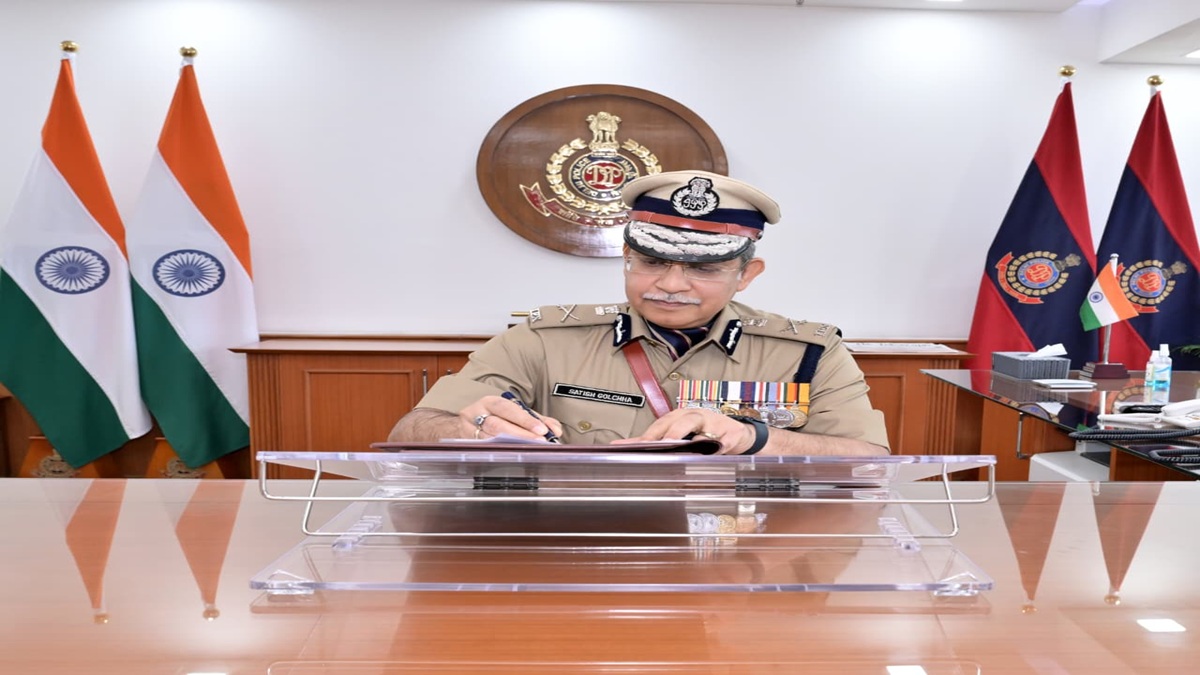
Satish Golcha new Delhi Police Commissioner 2025: A 1992-batch IPS officer of the AGMUT cadre, Satish Golcha, has been appointed as Delhi Police Commissioner, succeeding Sanjay Arora. Learn about his career, past roles, and importance for government exam aspirants.
Satish Golcha Appointed as New Delhi Police Commissioner
Appointment and Context
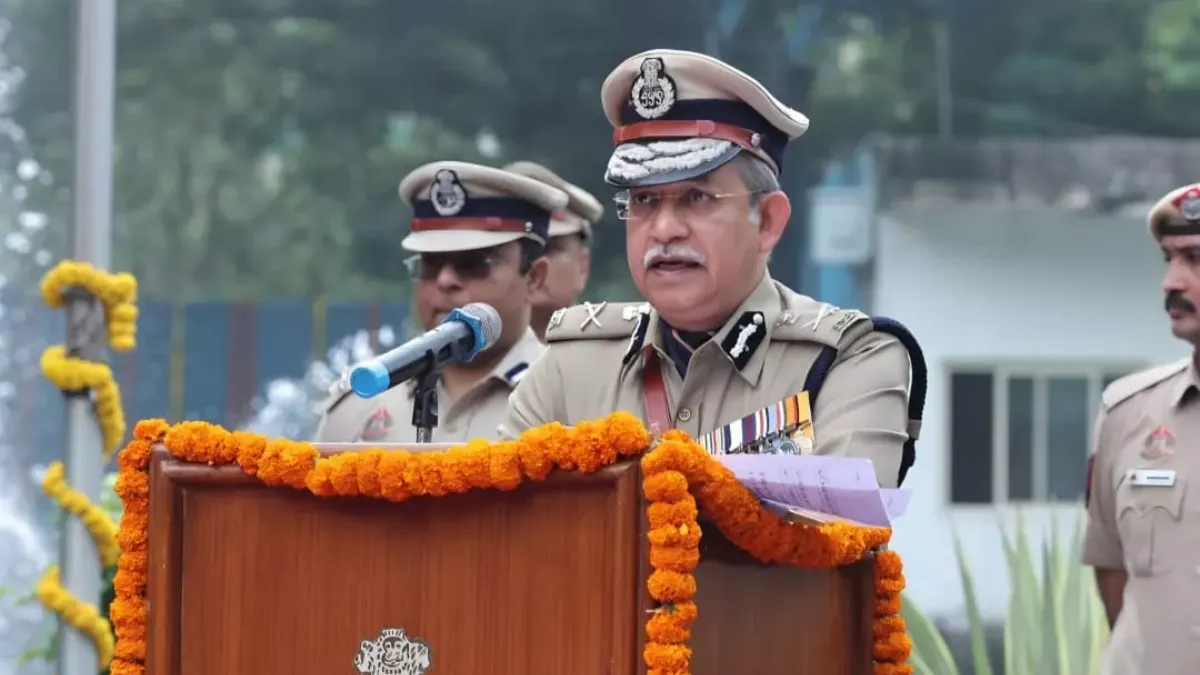
The Ministry of Home Affairs has officially appointed Satish Golcha, a 1992-batch IPS officer of the AGMUT (Arunachal Pradesh–Goa–Mizoram–Union Territories) cadre, as the Commissioner of Police, Delhi. He succeeded Sanjay Arora, who retired on August 1, 2025, following an interim period led by Shashi Bhushan Kumar Singh
This key leadership transition in the capital comes amidst rising security concerns and serves as a move toward continuity and stability. The decision reflects the government’s commitment to strengthen law enforcement in Delhi at a sensitive juncture
Profile of Satish Golcha
- Born: April 1967
- Cadre: AGMUT (Arunachal Pradesh–Goa–Mizoram–Union Territories)
- Service Entry: October 1992
Career Highlights:
- Director General of Police (DGP), Arunachal Pradesh
- Special Commissioner, Delhi Police (Law & Order and Intelligence units)
- Worked at the Central Bureau of Investigation (CBI)
- Investigated the 1984 anti-Sikh riots as part of a key investigative team
- Since May 2024, served as Director General (Prisons) in Delhi, overseeing major correctional facilities like Tihar, Mandoli, and Rohini jails
During his prisons tenure, Golcha tackled significant challenges including curbing gang activity, preventing illicit mobile usage by inmates, and responding to violent incidents like the murders of gangsters Prince Teotia and Sunil Tajpuria
Why This News Is Important
Ensuring Strong Leadership in the Capital
With Delhi’s complex law and order landscape, including high-profile political activities and public events, appointing a seasoned officer like Satish Golcha reinforces stability and expert leadership. His extensive experience across intelligence, policing, and correctional administration makes him well-equipped for the role.
Continuity Amid Rising Security Challenges
Following the retirement of a long-serving Commissioner, leadership continuity becomes crucial. Golcha’s appointment ensures organizational steadiness during what may be a sensitive period for public safety and urban governance in the capital.
Relevant for Government Exam Aspirants
For students preparing for roles in police, civil services, defense, or administration, this appointment is essential current affairs. It highlights governance changes, administrative reshuffles, and the significance of experienced leadership in maintaining public order—common themes in exams like UPSC, state PSCs, SSC, and police recruitment tests.
Historical Context: Leadership in Delhi’s Police
Significance of the Delhi Police Commissioner
As the head of the police force in India’s capital, the Commissioner of Police plays a pivotal role in maintaining law and order, overseeing complex security operations, and coordinating with diverse government agencies.
Predecessors and Transitions
- Sanjay Arora retired on August 1, 2025 after completing his term.
- Shashi Bhushan Kumar Singh held the position in an interim capacity before Golcha’s appointment
Past Contributions by Golcha
- At the CBI, he was on the investigative team handling the 1984 anti-Sikh riots, an event of historic and legal gravity.
- As DG (Prisons), he confronted internal criminal dynamics in Delhi’s jails, managing high-tension challenges such as gang-related violence and illicit communication
Key Takeaways from “Satish Golcha Appointed as New Delhi Police Commissioner”
| S. No. | Key Takeaway |
|---|---|
| 1 | Satish Golcha, a 1992-batch IPS officer of the AGMUT cadre, has been appointed as Commissioner of Police, Delhi. |
| 2 | He succeeded Sanjay Arora, who retired on August 1, 2025, with Shashi Bhushan Kumar Singh serving in interim. |
| 3 | Golcha has previously served prominently in Arunachal Pradesh as DGP, in Delhi Police (Special Commissioner role), and at the CBI, including investigating the 1984 anti-Sikh riots. |
| 4 | In May 2024, he became DG (Prisons) in Delhi, where he addressed prison gang activities, illicit mobile usage, and violent incidents. |
| 5 | His appointment ensures leadership continuity at a critical time for Delhi’s law and order environment, making it relevant for aspirants across police, civil services, and administrative exams. |
Frequently Asked Questions (FAQs)
1. Who has been appointed as the new Delhi Police Commissioner in August 2025?
Satish Golcha, a 1992-batch IPS officer of the AGMUT cadre, has been appointed as the new Commissioner of Police, Delhi.
2. Who did Satish Golcha succeed as Delhi Police Commissioner?
He succeeded Sanjay Arora, who retired on August 1, 2025.
3. Which cadre does Satish Golcha belong to?
He belongs to the AGMUT cadre (Arunachal Pradesh–Goa–Mizoram–Union Territories).
4. What key role did Satish Golcha play during his tenure in CBI?
He was part of the investigative team that handled the 1984 anti-Sikh riots cases.
5. What was his role before becoming Delhi Police Commissioner?
He served as Director General (Prisons), overseeing Tihar, Mandoli, and Rohini jails in Delhi.
6. Why is this news relevant for government exam aspirants?
It is important because questions on appointments, security administration, and law enforcement leadership frequently appear in UPSC, SSC, state PSCs, railways, and police recruitment exams.
7. What are some of the major challenges Satish Golcha handled as DG (Prisons)?
He dealt with gang violence, illegal mobile phone usage, and high-profile prison crimes.
8. Who served as interim Delhi Police Commissioner after Sanjay Arora’s retirement?
Shashi Bhushan Kumar Singh served as interim Commissioner before Satish Golcha’s appointment.
9. When did Satish Golcha join the Indian Police Service?
He joined the IPS in October 1992.
10. What is the significance of the Delhi Police Commissioner’s post?
The position is crucial for law and order in the national capital, which involves high-profile security, political events, and coordination with central agencies.
Some Important Current Affairs Links