











India Gate – A Monument of National Pride and Historical Significance
Introduction to India Gate
India Gate, one of the most iconic landmarks in India, stands as a symbol of national pride and a tribute to the soldiers who laid down their lives for the country. Located in the heart of New Delhi, India Gate is more than just a war memorial; it is a place of national reverence and historical significance. Its grandeur and architectural brilliance make it a must-visit site for tourists and a crucial part of India’s heritage.
Historical Significance of India Gate
India Gate was designed by Sir Edwin Lutyens and was inaugurated on February 12, 1931, by Lord Irwin, the then Viceroy of India. The monument was built to honor the 84,000 soldiers of the British Indian Army who lost their lives during World War I and the Third Anglo-Afghan War. The names of these brave soldiers are inscribed on the walls of the India Gate, serving as a poignant reminder of their sacrifice.
Architectural Brilliance of India Gate
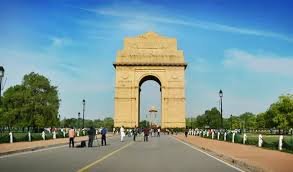
Standing 42 meters tall, India Gate is a fine example of colonial architecture, reflecting the grandeur of the British era. The structure is made of red and pale sandstone and granite, and its design is reminiscent of the Arc de Triomphe in Paris. The monument is surrounded by lush green lawns, which serve as a popular picnic spot for locals and tourists alike, especially during the evenings.
India Gate and the Amar Jawan Jyoti
In 1971, a permanent flame was lit under the arch of India Gate, known as the Amar Jawan Jyoti, in memory of the soldiers who died during the Indo-Pakistan War of December 1971. This eternal flame burns day and night and is guarded by soldiers from the Indian Armed Forces, symbolizing the nation’s gratitude to its martyrs.
Why India Gate Remains a Symbol of National Unity
India Gate is not just a historical monument but also a symbol of national unity and pride. It is a place where people from all walks of life come together to pay their respects to the soldiers who sacrificed their lives for the country. The Republic Day parade, which passes through India Gate every year, is a testament to its significance in India’s national consciousness.
Why this News is Important
Significance in Competitive Exams
India Gate is a crucial part of India’s history and heritage, making it an important topic for competitive exams, particularly those focusing on general knowledge and history. Understanding the significance of India Gate helps students grasp the broader aspects of India’s colonial past and its struggle for independence.
Cultural and National Relevance
India Gate is not just a monument but a symbol of India’s unity and pride. Its significance extends beyond its historical roots, as it continues to be a site of national importance, especially during events like Republic Day. For students, knowledge about such national symbols is essential as it reflects the cultural and historical ethos of the country.
Inspiration for Aspiring Civil Servants
For aspiring civil servants and those preparing for government exams, understanding the importance of India Gate is crucial. It represents the values of sacrifice, duty, and national pride, which are key traits for anyone entering public service. The monument serves as a reminder of the responsibilities that come with serving the nation.
Historical Context: The Genesis of India Gate
The Conceptualization of India Gate
India Gate was conceived as a memorial to honor the soldiers of the British Indian Army who fought valiantly in World War I and the Third Anglo-Afghan War. The idea was to create a structure that would serve as a lasting tribute to their bravery and sacrifice. The foundation stone was laid by the Duke of Connaught in 1921, and the construction was completed in 1931.
Role of India Gate During the British Era
During the British Raj, India Gate was not only a war memorial but also a symbol of British imperial architecture. It was part of the grand plan to redesign New Delhi as the capital of British India, showcasing the power and authority of the British Empire. The monument’s design, influenced by European styles, reflects the colonial aspirations of that era.
Post-Independence Significance
After India gained independence in 1947, India Gate’s significance transformed from a colonial war memorial to a national monument symbolizing the sacrifices made by Indian soldiers. The addition of the Amar Jawan Jyoti in 1971 further solidified its role as a site of national importance, especially in the context of modern India’s military history.
Key Takeaways from “India Gate – A Monument of National Pride and Historical Significance”
| S. No. | Key Takeaway |
|---|---|
| 1 | India Gate was inaugurated in 1931 as a tribute to the soldiers of the British Indian Army. |
| 2 | The monument is designed by Sir Edwin Lutyens, reflecting colonial architectural brilliance. |
| 3 | The Amar Jawan Jyoti, added in 1971, honors the soldiers who died in the Indo-Pakistan War. |
| 4 | India Gate remains a symbol of national unity, hosting important national events like Republic Day. |
| 5 | Understanding India Gate’s significance is essential for competitive exams, especially in history and general knowledge. |
Important FAQs for Students from this News
Q1: When was India Gate inaugurated?
A: India Gate was inaugurated on February 12, 1931.
Q2: Who designed India Gate?
A: India Gate was designed by Sir Edwin Lutyens, a prominent British architect.
Q3: What is the significance of the Amar Jawan Jyoti at India Gate?
A: The Amar Jawan Jyoti is an eternal flame that honors the soldiers who died in the Indo-Pakistan War of 1971. It symbolizes the nation’s gratitude towards its martyrs.
Q4: Why is India Gate an important landmark in India?
A: India Gate is a symbol of national pride and unity, commemorating the sacrifices of Indian soldiers. It is also a key historical site and a major tourist attraction in New Delhi.
Q5: How tall is India Gate?
A: India Gate stands at a height of 42 meters.
Some Important Current Affairs Links




