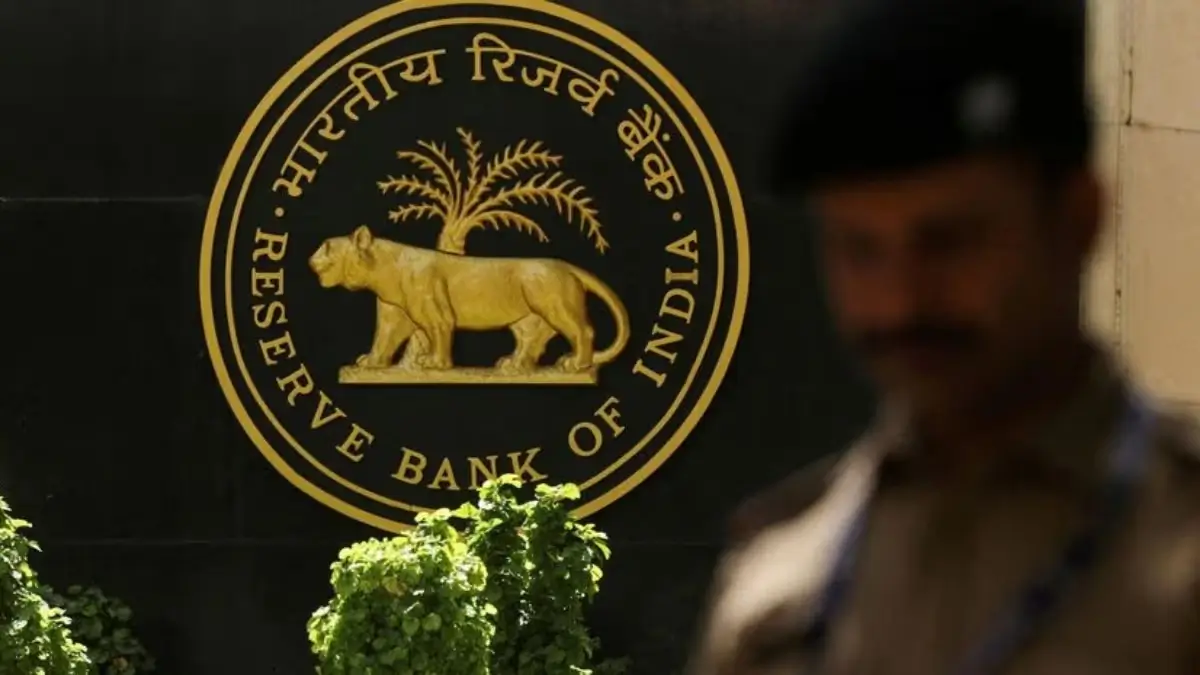








Delhi RBI MoU ensures Delhi Government finances are managed under RBI framework, enabling lower borrowing costs, professional cash management, and better fiscal planning.
Delhi Government Brings Finances Under RBI Framework with Historic MoU
The Delhi Government has signed a landmark Memorandum of Understanding (MoU) with the Reserve Bank of India (RBI), bringing the national capital’s finances fully under the RBI’s banking and debt management framework for the first time. Under the new agreement, the RBI will act as Delhi’s official banker, debt manager, and financial agent — a significant change in how the city’s public funds and fiscal operations are handled.
This development represents a major reform in Delhi’s financial administration. Historically, unlike other states, Delhi did not have its finances fully integrated into the RBI’s system of cash and debt management. The MoU will now align its financial governance with nationally accepted fiscal practices, introducing greater discipline, transparency, and efficiency in public financial management.
Under the agreement, the RBI will manage Delhi’s banking operations, cash balances, borrowings, and debt instruments directly. This includes the ability for Delhi to undertake market borrowings through State Development Loans (SDLs), access professional cash management services, and utilize RBI-managed liquidity facilities. All these are expected to significantly reduce borrowing costs and improve fiscal sustainability for the Union Territory.
The Chief Minister of Delhi described the agreement as a “historic correction,” addressing a long-standing gap where Delhi was operating outside the structured framework used by other states and union territories. The move will enhance long-term financial planning, improve stewardship of public funds, and support better fiscal outcomes for economic development.
Fiscal experts say that by operating under RBI oversight, Delhi can better manage cash flow mismatches, reduce idle cash reserves, and avoid expensive short-term borrowing — ultimately ensuring more funds are available for developmental infrastructure such as transport, water supply, and public services.

Why This News is Important
Strengthening Financial Governance in Delhi
The signing of the Memorandum of Understanding between the Delhi Government and the Reserve Bank of India is a pivotal fiscal reform with deep implications for economic governance and public finance. For the first time, Delhi’s finances will be fully integrated into the RBI’s banking and debt management framework — something previously followed by states but not by the national capital.
Improves Efficiency and Transparency
This transition is not just administrative — it strengthens fiscal discipline, transparency, and professionalism in handling public funds. Under the MoU, the RBI will manage Delhi’s banking operations, debt, and cash flows, enabling more efficient use of funds, reducing liquidity mismatches, and opening avenues for lower-cost borrowing. Students preparing for government exams must note that this reform aligns Delhi with national fiscal norms and showcases India’s evolving fiscal architecture.
Relevance for Competitive Exams
For aspirants in exams like SSC CGL, banking PO, UPSC, and state civil services, this news highlights how sub-national finances are being modernized through institutional collaboration. Questions on the RBI’s role, fiscal federalism, and government financial reforms often appear in taxation, economy, and governance sections. Understanding this development provides insights into real-world applications of fiscal policy and constitutional governance.
Historical Context: RBI & State Finances in India
RBI’s Role in Government Financial Management
The Reserve Bank of India has traditionally served as the banker and debt manager for the Central Government and most state governments. It manages their cash balances, advances, and issuance of government securities to ensure liquidity and fiscal stability.
The Unique Case of Delhi
Unlike other states, the National Capital Territory of Delhi did not fully operate under the RBI’s banking and debt management system until now. This was due to its special administrative status and the overlap between local governance and Union Government responsibilities. As a result, Delhi often relied on ad-hoc methods or temporary advances to meet its financial needs.
Policy Shift Towards Fiscal Discipline
In recent decades, India has emphasized fiscal prudence through frameworks like the Fiscal Responsibility and Budget Management (FRBM) Act, along with RBI’s role in managing government finances to prevent excessive deficits and ensure efficient cash use. Integrating Delhi into this framework aligns the capital with these broader fiscal discipline initiatives.
Key Takeaways from “Delhi Government Brings Finances Under RBI Framework”
| S. No. | Key Takeaway |
|---|---|
| 1. | Delhi Govt signed an MoU with the RBI to bring finances fully under RBI’s banking and debt framework. |
| 2. | RBI will act as Delhi’s banker, debt manager, and financial agent. |
| 3. | The agreement will enable market borrowings, professional cash management and lower borrowing costs. |
| 4. | This is the first time Delhi will operate under the RBI’s complete fiscal framework. |
| 5. | The reform enhances fiscal discipline, transparency and long-term financial sustainability. |
FAQs: Frequently Asked Questions
1. What is the recent MoU signed between Delhi Government and RBI?
The Delhi Government signed a historic Memorandum of Understanding (MoU) with the Reserve Bank of India to bring Delhi’s finances under RBI’s banking and debt management framework.
2. What role will RBI play after this MoU?
The RBI will act as Delhi’s official banker, debt manager, and financial agent. It will manage cash balances, borrowings, debt instruments, and other financial operations.
3. Why is this MoU historic for Delhi?
Previously, Delhi operated outside the RBI’s full fiscal framework. This MoU integrates Delhi’s finances with national fiscal practices, enhancing transparency, efficiency, and fiscal discipline.
4. How will this MoU benefit Delhi financially?
It will enable lower borrowing costs, professional cash management, access to State Development Loans, and better fiscal planning for developmental projects like transport, water supply, and infrastructure.
5. Which students should be aware of this news?
Aspirants of UPSC (IAS/IPS), SSC CGL, Banking (PO/Clerk), Railways, Defence, and State Civil Services should note this development as it reflects reforms in fiscal federalism and government financial management.
6. What is the significance of RBI managing state finances?
RBI ensures fiscal discipline, prevents cash flow mismatches, and provides professional debt and cash management. It aligns state finances with national standards.
7. What are State Development Loans (SDLs)?
SDLs are debt instruments issued by states for borrowing from the market. Under the MoU, Delhi can issue SDLs through the RBI-managed system.
Some Important Current Affairs Links