







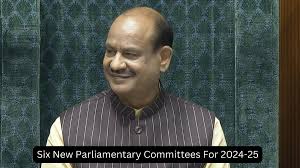
Six New Parliamentary Committees for 2024-25 – Lok Sabha Speaker Constitutes
Introduction of New Committees
In a significant move, the Lok Sabha Speaker has announced the formation of six new parliamentary committees for the 2024-25 term. This decision is aimed at enhancing the efficiency and effectiveness of parliamentary procedures, ensuring a more streamlined approach to addressing critical issues. The establishment of these committees reflects the Speaker’s commitment to improving parliamentary oversight and legislative processes.
Objectives and Structure of the New Committees
The newly constituted committees will focus on various aspects of governance and legislative affairs. Their primary objectives include scrutinizing bills, overseeing government expenditures, and examining policy implementations. Each committee will be comprised of members from different political parties, ensuring a balanced representation and fostering a collaborative environment for comprehensive discussions and recommendations.
Impact on Legislative Processes
The formation of these committees is expected to have a profound impact on the legislative processes in India. By creating specialized groups to handle specific areas of governance, the Lok Sabha aims to address issues more effectively and expedite the legislative process. This move is also anticipated to enhance accountability and transparency within the parliamentary system.
Reactions and Expectations
The announcement has garnered mixed reactions from various quarters. While some view it as a positive step towards improving parliamentary efficiency, others express concerns about the potential for increased bureaucratic red tape. Nevertheless, there is a general consensus that the new committees could play a crucial role in refining the legislative framework and promoting better governance.
Future Prospects
Looking ahead, the success of these committees will depend on their ability to work collaboratively and address key issues with efficiency. The Lok Sabha will closely monitor their performance and make necessary adjustments to ensure that they meet their objectives. The formation of these committees marks a new chapter in the Indian parliamentary system, with the potential for significant advancements in legislative practices.

Why This News is Important
Enhancing Parliamentary Efficiency
The formation of the six new parliamentary committees is crucial for improving the efficiency of the legislative process. By delegating specific tasks to dedicated committees, the Lok Sabha aims to streamline parliamentary procedures, making it easier to manage complex legislative matters. This could lead to more effective governance and quicker resolution of key issues.
Promoting Accountability and Transparency
These committees are designed to enhance accountability and transparency within the parliamentary system. With a focused approach to scrutinizing bills and government expenditures, the committees are expected to provide more detailed oversight and ensure that legislative processes are conducted with greater transparency.
Improving Legislative Oversight
The new committees will play a vital role in improving legislative oversight. By specializing in different areas, they will be better equipped to examine policies and implementation strategies in depth. This specialized scrutiny is likely to lead to more informed decision-making and better governance.
Addressing Concerns about Bureaucracy
While the formation of these committees is generally seen as a positive development, there are concerns about potential increases in bureaucratic processes. It will be important for the committees to balance efficiency with the need to address issues thoroughly, ensuring that they do not contribute to unnecessary delays.
Future Implications for Governance
The success of these committees will have implications for future governance in India. Their performance will be closely watched, and their effectiveness could influence the way parliamentary procedures are conducted in the future. If successful, this initiative could set a precedent for further reforms in the legislative system.
Historical Context:
Evolution of Parliamentary Committees
The concept of parliamentary committees has been a fundamental part of legislative systems worldwide for many years. In India, parliamentary committees have evolved over time to address various aspects of governance and legislation. The introduction of specialized committees reflects a continuing effort to improve parliamentary efficiency and oversight.
Previous Committee Structures
Historically, Indian parliamentary committees have been instrumental in scrutinizing bills, overseeing government functions, and providing recommendations. The formation of new committees for the 2024-25 term is part of an ongoing process of refining and enhancing these structures to better meet contemporary needs.
Significance of Recent Reforms
The recent decision to create new committees aligns with broader reforms aimed at improving the efficiency of the legislative process. This move is part of a larger effort to address the challenges faced by the parliamentary system and ensure that it remains responsive to the needs of the nation.
Key Takeaways from “Six New Parliamentary Committees for 2024-25”
| Serial Number | Key Takeaway |
|---|---|
| 1 | Six new parliamentary committees have been established for the 2024-25 term to enhance legislative efficiency. |
| 2 | The committees will focus on scrutinizing bills, overseeing government expenditures, and examining policy implementations. |
| 3 | The formation of these committees aims to improve parliamentary oversight and promote accountability and transparency. |
| 4 | Reactions to the new committees have been mixed, with concerns about potential increases in bureaucratic processes. |
| 5 | The effectiveness of these committees will influence future reforms in the Indian parliamentary system. |
Important FAQs for Students from this News
1. What are the newly formed parliamentary committees for 2024-25?
The Lok Sabha Speaker has constituted six new parliamentary committees for the 2024-25 term. These committees are aimed at enhancing legislative efficiency and improving oversight of government functions. They will focus on scrutinizing bills, overseeing expenditures, and examining policy implementations.
2. What are the main objectives of these new committees?
The primary objectives of the new committees include improving the efficiency of legislative processes, promoting accountability and transparency in parliamentary proceedings, and providing detailed scrutiny of bills and government policies.
3. How will these committees impact the legislative process in India?
These committees are expected to streamline the legislative process by delegating specific tasks to specialized groups. This approach aims to enhance the effectiveness of parliamentary procedures, expedite decision-making, and improve overall governance.
4. What concerns have been raised about the new committees?
Some concerns include the potential for increased bureaucratic red tape. Critics worry that the addition of new committees might lead to additional delays and complexities in parliamentary processes, though supporters argue it will improve efficiency and oversight.
5. How will the performance of these committees be evaluated?
The Lok Sabha will monitor the performance of the new committees closely. Their effectiveness will be assessed based on their ability to meet their objectives, improve parliamentary efficiency, and address key governance issues. The outcomes will influence future reforms in the parliamentary system.
Some Important Current Affairs Links