


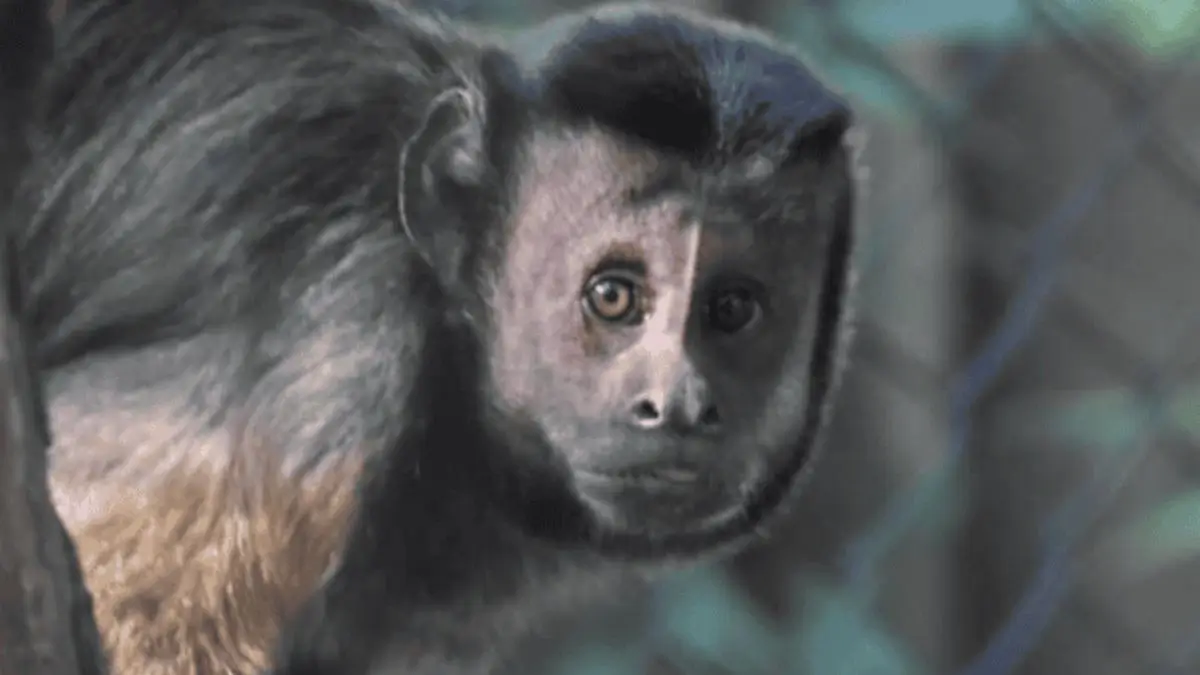
Capuchin monkeys import India: Eight black-capped capuchin monkeys arrive at Bannerghatta Biological Park from South Africa under wildlife conservation and animal exchange programme, promoting biodiversity and public awareness.
Bannerghatta Biological Park Imports Capuchin Monkeys from South Africa
Introduction to the Capuchin Monkeys Import News
Bannerghatta Biological Park (BBP) in Bengaluru has successfully imported eight black-capped capuchin monkeys (Sapajus apella) from South Africa under an international animal exchange programme. This initiative highlights India’s ongoing efforts in wildlife conservation, global cooperation, and biodiversity enrichment at zoological parks.
Successful Arrival and Quarantine Measures
On December 14, 2025, the group of eight monkeys — comprising four males and four females — arrived at Kempegowda International Airport after travelling from the Induna Primate and Parrot Park in South Africa. Upon arrival, they were immediately placed in a designated quarantine facility, where veterinary officials will closely monitor their health and behaviour before introducing them to the main enclosure.
Purpose of the Animal Exchange Programme
The import was executed under a structured animal exchange programme aimed at:
- Strengthening conservation efforts for exotic species.
- Enhancing genetic diversity among captive populations.
- Promoting scientific research and education.
- Raising visitor awareness about global wildlife conservation.
BBP officials highlighted that the programme aligns with best practices in zoo management and international wildlife collaboration.
Regulatory Approvals and Compliance
The entire process complied with all statutory and regulatory requirements in India. Necessary permissions and no-objection certificates were obtained from:
- Central Zoo Authority (CZA), New Delhi
- State Chief Wildlife Warden
- Ministry of Environment, Forest and Climate Change
- Department of Animal Husbandry and Dairying
- Wildlife Crime Control Bureau
Additionally, the Directorate General of Foreign Trade (DGFT) issued import permits as per official guidelines, ensuring full legal compliance.
Future Benefits and Public Display
Once the quarantine and mandatory health checks are completed, visitors will be able to view the capuchin monkeys at the park. Their presence is expected to attract more visitors and promote wildlife education among students, tourists, and conservation enthusiasts

📘 Why This News Is Important for Students Preparing for Government Exams
Relevance to Environment, Wildlife and Biodiversity Syllabus
Conservation and wildlife management are key topics in UPSC, State PCS, SSC, and other competitive exams — especially under the Environment and Ecology section. This news reflects:
- International cooperation in wildlife conservation.
- Regulatory frameworks for wildlife import and zoological management.
- Government roles and statutory bodies like CZA, MoEF&CC, and DGFT.
These are common static and current affairs areas in general studies papers.
Important for General Awareness & GK Sections
The news shows how India engages in animal exchange programmes, which helps enrich captive animal populations and supports scientific research. Questions based on policies, wildlife laws, and quarantine procedures can appear in prelims and mains exams.
Conservation and Biodiversity Initiatives in Government Exams
Understanding this event improves analytical answers in:
- Essay writing (e.g., “India’s Role in Global Wildlife Conservation”)
- Environment GS papers
- Science and Technology linked to biodiversity
These examples strengthen answers and boost scores.
🗂 Historical Context: Animal Exchange Programmes and Wildlife Conservation in India
India’s Commitment to Wildlife Protection
India has a long history of wildlife conservation, starting with the Wildlife Protection Act, 1972, which established legal frameworks for wildlife protection and regulation of animal trade. Later, institutions like the Central Zoo Authority (1992) were created to regulate and oversee zoo standards, animal welfare, and exchange programmes.
Importance of Zoo Exchange Programmes
International animal exchange programmes help:
- Increase genetic diversity among captive species.
- Support breeding programmes.
- Develop international research collaborations.
- Educate the public about lesser-known species.
Bannerghatta Biological Park’s initiative is part of this long-standing global conservation effort.
📌 Key Takeaways from ‘Capuchin Monkeys Imported to Bannerghatta Biological Park’
| S. No. | Key Takeaway |
|---|---|
| 1. | Eight black-capped capuchin monkeys were imported from South Africa to BBP. |
| 2. | The import was done under an animal exchange programme. |
| 3. | All regulatory approvals were obtained from Indian authorities. |
| 4. | The monkeys will undergo mandatory quarantine and health checks. |
| 5. | The move promotes conservation, genetic diversity, and wildlife education. |
FAQs: Frequently Asked Questions
1. What species of monkeys were imported to Bannerghatta Biological Park?
The black-capped capuchin monkeys (Sapajus apella) were imported from South Africa.
2. How many monkeys were imported to the park?
A total of eight monkeys were imported, including four males and four females.
3. Why were the capuchin monkeys imported to Bannerghatta Biological Park?
The import aims to enhance genetic diversity, promote wildlife conservation, support scientific research, and educate the public about exotic species.
4. Which regulatory authorities approved the import of these monkeys?
Approvals were obtained from Central Zoo Authority (CZA), State Chief Wildlife Warden, MoEF&CC, Department of Animal Husbandry, and DGFT.
5. What are the next steps after the monkeys’ arrival in India?
The monkeys are under mandatory quarantine and health checks before being introduced to their main enclosure for public viewing.
6. When did the monkeys arrive in India?
They arrived on December 14, 2025, at Kempegowda International Airport, Bengaluru.
7. How does this import relate to exam syllabus?
This news is relevant for Environment, Ecology, Wildlife Conservation, Biodiversity, and General Awareness sections in UPSC, State PCS, SSC, and other competitive exams.
Some Important Current Affairs Links




