








C.P. Radhakrishnan Vice President 2025 elected as India’s 15th Vice President. Get full election details, vote margin, political significance, and exam-ready current affairs insights.
C.P. Radhakrishnan Elected as India’s 15th Vice President
Election Results and Vote Margin
On 9 September 2025, Chandrapuram Ponnusamy (C.P.) Radhakrishnan was declared the 15th Vice President of India following the vice-presidential election. He contested on the National Democratic Alliance (NDA) ticket and defeated the INDIA bloc’s candidate, former Supreme Court judge B. Sudarshan Reddy. Radhakrishnan secured 452 first-preference votes, while his rival won 300 votes. Out of the 781 eligible electors (i.e., members of both Houses of Parliament), 767 MPs cast their votes, of which 752 ballots were valid and 15 invalid.
Election Process and Turnout
The vice-presidential poll took place under the constitutional provisions. The Election Commission had set the polling date as 9 September, with counting scheduled the same day. The turnout was high — 98.2% of eligible electors voted. The votes were tabulated under a secret ballot in both Houses of Parliament, and after counting, the result was certified by the Returning Officer, who is the Secretary General of Rajya Sabha.
About C.P. Radhakrishnan: Career and Background
C.P. Radhakrishnan, born on 4 May 1957 in Tiruppur, Tamil Nadu, has had a long political trajectory. He has been associated with the Rashtriya Swayamsevak Sangh (RSS) and the Bharatiya Jana Sangh in his early years, eventually joining the BJP. He has been elected as a Member of Parliament from Coimbatore twice (1998, 1999), served as Tamil Nadu BJP president, and held multiple gubernatorial positions (Maharashtra, Jharkhand, plus additional charges of Telangana and Puducherry) before this elevation.
Trigger for the Election: Vacancy Due to Resignation
The election was necessitated by the resignation of former Vice President Jagdeep Dhankhar on 21 July 2025, for health reasons, even though his term was scheduled to run till 2027. This led to an early election under Article 68 of the Indian Constitution which mandates filling a vacancy “as soon as possible”.
Aftermath & Significance of the Margin & Political Implications
The 152-vote margin, though comfortable, was seen as more than expected, leading to speculation of cross-voting among opposition MPs. The INDIA bloc had claimed unity in support of its candidate, but the vote tally falling short suggested some divergence. Fifteen invalid votes also attracted attention. The high turnout and strong showing by the NDA consolidated their strength in Parliament. This election was also noted as the first early vice-presidential election since 1987.
Why This News Is Important
Constitutional Implications and Parliamentary Functioning
The Vice President of India is the second-highest constitutional office after the President. The individual in this role chairs the Rajya Sabha (Council of States) and steps in as Acting President if the President’s office is vacant or he/she is unable to perform duties. Thus, who holds this office has ramifications for parliamentary oversight, debates, and legislative processes. When the office becomes vacant, as happened following Jagdeep Dhankhar’s resignation, it is crucial for continuity in constitutional functions.
Political Significance & Opposition Dynamics
This election serves as a barometer of party strength and unity in Parliament. The NDA’s victory with a margin larger than expected indicates not just numerical strength but also possible weakening or fragmentation in opposition unity. Cross-voting or invalid votes among opposition MPs can reveal internal divisions or strategic dissent. Such dynamics tend to influence future alliances, legislative negotiations, and governance.
Precedent and Timing: First Early Election Since 1987
Since this election was early (triggered by resignation), it sets a precedent for handling such high-constitutional vacancies. The constitutional provision requires elections to fill such vacancies “as soon as possible,” emphasising that constitutional norms must guide political processes irrespective of political convenience. For exam purposes, recognizing when and why elections are held early, and the legal basis, is essential.
The Individual: C.P. Radhakrishnan’s Profile & Symbolism
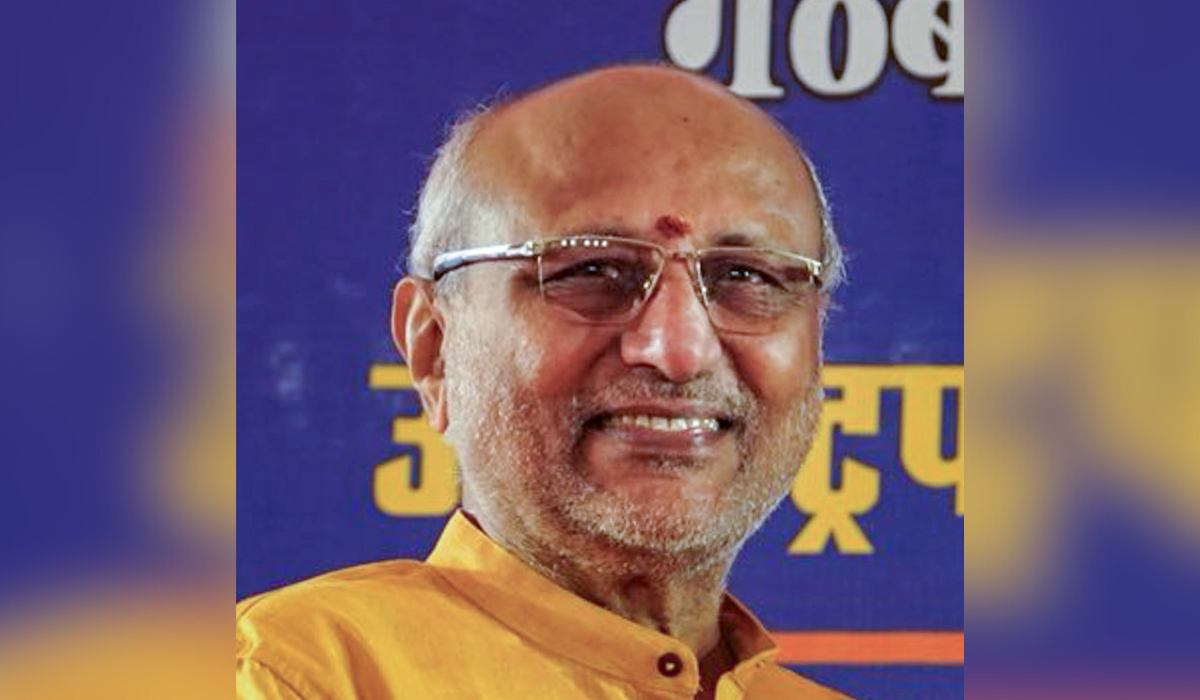
Understanding the background and public image of the person elected helps in grasping wider political narratives. Radhakrishnan being a seasoned politician, with RSS roots, governor of major states, and perceived as having non-confrontational style, adds symbolism to his election beyond just numbers. This reflects strategic choice by the NDA, perhaps valuing behind-the-scenes acceptability, administrative experience, and ideological alignment.
Historical Context
Constitutional Provisions for Vice Presidential Election
Articles 63 to 71 of the Indian Constitution deal with the Vice President. Article 63 establishes the office; Article 64 deals with the vacancy in the office of President; Article 65 gives the Vice President power to act as President during opportunity; Article 66 and 67 deal with the manner of election and the term; Article 68 mandates elections when there’s a vacancy by resignation or death. These legal foundations set how vice-presidential elections are conducted.
Previous Vice Presidents and Their Tenures
India’s Vice Presidents over the decades have included notable figures such as Dr. Sarvepalli Radhakrishnan (India’s first VP), Zakir Husain, V.V. Giri, Mohammad Hamid Ansari, Venkaiah Naidu, and Jagdeep Dhankhar most recently. The office has both ceremonial and constitutional importance, especially in presiding over Rajya Sabha and contributing to stability.
Past Early VP Elections & Precedents
Early elections for vice-president are rare. The last one before this was in 1987 (when incumbent VP vacated the office for some reason) — thus, this 2025 election marks a significant constitutional moment. Understanding earlier instances gives insight into how political stability, constitutional norms, and party dynamics have played out historically during such transitions.
Political Landscape Leading Up to 2025
Over the last few years, Indian politics has seen attempts by opposition parties to form broader alliances (e.g. INDIA bloc) to counter the dominance of the BJP-led NDA. Elections for offices like the President and Vice President often become arenas where such alliance unity or its limits are tested. The resignation of Jagdeep Dhankhar, an NDA Vice President, made this election unexpectedly crucial.
Key Takeaways from “Radhakrishnan’s VP Election Victory”
| S. No | Key Takeaway |
|---|---|
| 1 | C.P. Radhakrishnan was elected as India’s 15th Vice President on 9 September 2025, defeating B. Sudarshan Reddy. |
| 2 | He secured 452 votes vs. Reddy’s 300, with 15 invalid ballots; out of 781 eligible electors, 767 voted. |
| 3 | The election was early (held before the incumbent’s term expired) due to the resignation of Jagdeep Dhankhar citing health reasons. |
| 4 | The vice-president’s role includes being Chair of Rajya Sabha and acting President when required; election held via secret ballot by MPs of both Houses. |
| 5 | The margin and vote pattern indicated possible cross-voting among opposition MPs; opposition claimed unity but vote deficit and invalid ballots raised speculation of internal divisions. |
FAQs: Frequently Asked Questions
1. Who is C.P. Radhakrishnan?
C.P. Radhakrishnan is an Indian politician from Tamil Nadu, affiliated with the BJP. He has previously served as a Member of Parliament, state BJP president, and governor of multiple states before being elected as India’s 15th Vice President in 2025.
2. When was C.P. Radhakrishnan elected Vice President of India?
He was elected on 9 September 2025 following the early election due to Jagdeep Dhankhar’s resignation.
3. What is the term of the Vice President of India?
The Vice President serves a term of 5 years, as per Article 66 of the Indian Constitution, and can be re-elected.
4. How is the Vice President of India elected?
The Vice President is elected by an Electoral College consisting of members of both Houses of Parliament through a secret ballot, following the provisions under the Constitution.
5. What are the key responsibilities of the Vice President?
The Vice President serves as the Chair of Rajya Sabha, acts as President when needed, and participates in legislative debates and decisions impacting parliamentary proceedings.
6. Why was the 2025 Vice Presidential election significant?
It was the first early Vice Presidential election since 1987, triggered by the resignation of Jagdeep Dhankhar, making it constitutionally and politically important.
7. What does cross-voting mean in the context of this election?
Cross-voting refers to members of a political party voting against their party’s official candidate, indicating possible internal dissent or strategic choices.
8. Which parties supported C.P. Radhakrishnan?
He was supported by the National Democratic Alliance (NDA), primarily led by the BJP.
9. How many votes did C.P. Radhakrishnan secure?
He received 452 first-preference votes out of 767 cast votes, defeating his rival by 152 votes.
10. What is the significance of the Vice President’s role in Indian democracy?
The Vice President ensures continuity in parliamentary functioning, chairs the Rajya Sabha, and maintains a constitutional balance, acting as a bridge between legislative and executive branches.
Some Important Current Affairs Links