








BEE turns 25 as the Bureau of Energy Efficiency celebrates its foundation day with the launch of the BEE Star Label App and Renewable Consumption Obligation Portal to promote energy efficiency in India.
BEE Turns 25 – Power Minister Unveils BEE@25 Logo, Star Label App and RCO Portal
Introduction to the 25th Foundation Day of BEE
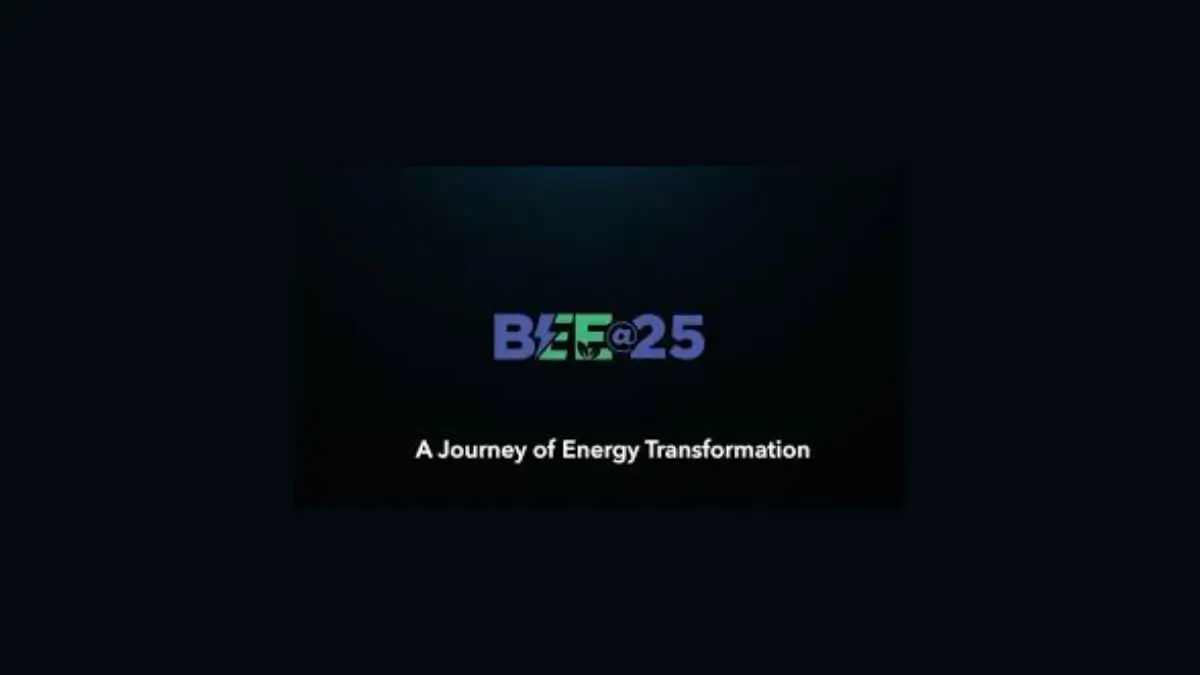
The Bureau of Energy Efficiency (BEE), functioning under the Ministry of Power, celebrated its 25th Foundation Day with a major event held at the India Habitat Centre in New Delhi. The celebration marked a significant milestone in India’s journey toward energy efficiency and sustainable development. During the event, India’s Union Power Minister Manohar Lal Khattar unveiled the BEE@25 commemorative logo, launched the BEE Star Label Mobile Application, and introduced the Renewable Consumption Obligation (RCO) Portal.
These initiatives aim to strengthen transparency, improve monitoring of energy efficiency programmes, and promote consumer awareness regarding energy-efficient appliances.
Role of the Bureau of Energy Efficiency
The Bureau of Energy Efficiency was established to promote efficient energy use across industries, buildings, and households in India. Over the past 25 years, BEE has played a key role in shaping policies that help reduce energy consumption, lower emissions, and support sustainable growth.
At the celebration event, the Power Minister highlighted that conserving electricity reduces the need for building new power plants and helps lower environmental pollution. Energy efficiency, therefore, serves as a preventive strategy for the power sector and contributes to climate change mitigation.
Key Initiatives and Achievements of BEE
Several important initiatives launched by BEE were highlighted during the event. These include the Perform, Achieve and Trade (PAT) scheme, Carbon Credit Trading Scheme (CCTS), Corporate Average Fuel Efficiency (CAFE) standards, and the Standards and Labelling Programme for appliances. These programmes help industries and consumers adopt energy-efficient practices.
India has also achieved notable climate milestones. The country has reduced the emissions intensity of its GDP by about 36% from 2005 levels and has already achieved 52% non-fossil fuel installed electricity capacity, moving ahead of its 2030 target.
Launch of the BEE Star Label Mobile Application
A major highlight of the event was the launch of the BEE Star Label Mobile Application, developed in collaboration with CLASP. The mobile app allows consumers to scan the QR code on star-labelled appliances and instantly check their energy performance, model details, and compliance status.
This initiative will help consumers make informed purchasing decisions and increase trust in the government’s Standards and Labelling Programme, which promotes energy-efficient appliances such as refrigerators, air conditioners, and washing machines.
Introduction of the Renewable Consumption Obligation Portal
The event also witnessed the launch of the Renewable Consumption Obligation (RCO) Portal, a digital platform aimed at strengthening monitoring and compliance for energy efficiency programmes. The portal will improve coordination among stakeholders and support data-driven decision-making in India’s energy transition efforts.
This platform is expected to enhance transparency and facilitate better reporting mechanisms for energy efficiency initiatives across sectors.
Energy Efficiency and India’s Future Vision
Government officials emphasized that energy efficiency will play a crucial role in achieving India’s long-term development goals such as Viksit Bharat 2047. Rising electricity demand, expansion of renewable energy, and the growth of sectors like data centres and artificial intelligence make efficient energy management increasingly important.
Through continuous innovation, awareness programmes, and policy initiatives, BEE aims to ensure that energy efficiency remains a key pillar of India’s sustainable development strategy.

Why This News Is Important
Importance for India’s Energy Security
The celebration of BEE’s 25th Foundation Day highlights India’s progress in improving energy efficiency and strengthening its power sector. Energy conservation reduces the demand for new power plants and helps optimize the use of existing energy resources. This is crucial for a developing country like India where electricity demand continues to rise rapidly.
Relevance for Climate Change Commitments
Energy efficiency plays a vital role in reducing greenhouse gas emissions. By improving energy efficiency across industries, transportation, and households, India can reduce its carbon footprint and meet international climate commitments. The achievements mentioned during the event, such as reducing emissions intensity and increasing non-fossil energy capacity, demonstrate the success of these initiatives.
Importance for Consumers and Industries
The launch of the Star Label Mobile App empowers consumers by providing transparent information about appliance energy consumption. It helps individuals make informed decisions and encourages industries to produce more energy-efficient products.
Significance for Government Exam Aspirants
For students preparing for competitive exams such as UPSC, SSC, Banking, Railways, and State PSC exams, this news is important because it relates to energy policy, climate commitments, government schemes, and sustainable development—topics frequently asked in current affairs sections.
Historical Context
Establishment of the Bureau of Energy Efficiency
The Bureau of Energy Efficiency was established in 2002 under the Energy Conservation Act, 2001. It operates under the Ministry of Power and is responsible for implementing policies that promote efficient energy usage across the country.
Evolution of Energy Efficiency Policies in India
Since its establishment, BEE has launched several landmark programmes such as the Perform, Achieve and Trade (PAT) scheme, the Standards and Labelling Programme, and building energy codes. These initiatives encourage industries, buildings, and consumers to adopt energy-efficient technologies.
India’s Energy Transition Journey
Over the past two decades, India has gradually shifted its energy policy toward sustainability. The government has increased renewable energy capacity, promoted electric mobility, and introduced carbon trading mechanisms. BEE has played a crucial role in this transition by designing policies that reduce energy intensity while maintaining economic growth.
Key Takeaways from This News
| S. No. | Key Takeaway |
|---|---|
| 1 | The Bureau of Energy Efficiency celebrated its 25th Foundation Day in 2026. |
| 2 | Power Minister Manohar Lal Khattar unveiled the BEE@25 commemorative logo. |
| 3 | The BEE Star Label Mobile App was launched to help consumers verify energy efficiency of appliances. |
| 4 | The Renewable Consumption Obligation (RCO) Portal was introduced to improve monitoring and compliance in energy programmes. |
| 5 | Energy efficiency remains a key strategy for achieving India’s climate goals and sustainable development vision for 2047. |
FAQs Related to BEE Turns 25 Celebration
1. What is the Bureau of Energy Efficiency (BEE)?
The Bureau of Energy Efficiency is a statutory body under the Ministry of Power responsible for promoting energy efficiency in India. It was established under the Energy Conservation Act, 2001 to reduce energy consumption and promote sustainable energy use across industries, households, and commercial sectors.
2. When was the Bureau of Energy Efficiency established?
The Bureau of Energy Efficiency was established in 2002 to implement the provisions of the Energy Conservation Act, 2001 and promote efficient energy usage across the country.
3. Who unveiled the BEE@25 logo during the 25th Foundation Day celebration?
The Union Power Minister Manohar Lal Khattar unveiled the BEE@25 commemorative logo, marking 25 years of efforts toward energy conservation and efficiency in India.
4. What is the BEE Star Label Programme?
The BEE Star Label Programme is a government initiative that provides energy-efficiency ratings (1 to 5 stars) to appliances such as air conditioners, refrigerators, and televisions. Higher star ratings indicate lower energy consumption and better efficiency.
5. What is the purpose of the BEE Star Label Mobile App?
The BEE Star Label Mobile App allows consumers to scan QR codes on appliances to verify their energy efficiency ratings and product details. This improves transparency and helps buyers choose energy-efficient products.
6. What is the Renewable Consumption Obligation (RCO) Portal?
The Renewable Consumption Obligation Portal is a digital platform launched to improve monitoring, compliance, and data management for energy efficiency and renewable energy consumption initiatives.
7. What is the Perform, Achieve and Trade (PAT) scheme?
The Perform, Achieve and Trade (PAT) scheme is a market-based mechanism launched by the Bureau of Energy Efficiency to improve energy efficiency in energy-intensive industries by setting consumption reduction targets.
8. Why is energy efficiency important for India?
Energy efficiency reduces electricity demand, saves resources, lowers energy bills, and reduces greenhouse gas emissions. It is also crucial for achieving India’s climate commitments and sustainable development goals.
9. How does energy efficiency contribute to climate goals?
Energy efficiency reduces the amount of energy required for economic activities, which in turn reduces fossil fuel consumption and greenhouse gas emissions.
10. Why is this topic important for competitive exams?
Questions related to government schemes, environmental policies, and institutions like BEE are frequently asked in exams such as UPSC, SSC, Banking, Railways, and State PSC.
Some Important Current Affairs Links