








Bihar first nuclear power plant to be built under India’s 2025 SMR Mission. Learn about the Nawada site, SMR technology, Budget allocation, and energy goals for 2047.
Bihar to Host Its First Nuclear Power Plant Under India’s SMR Mission
India is charting a new course in its energy landscape. On June 25, 2025, Union Power Minister Manohar Lal Khattar announced that Bihar will host its first nuclear power plant under the nation’s ambitious Small Modular Reactor (SMR) strategy. This significant advancement adds Bihar to the roster of six pioneering states—and marks a critical shift in India’s clean energy expansion.
Introduction: Bihar’s Nuclear Breakthrough
In an address during the 5th Eastern Regional Energy Ministers’ Conference in Patna, Minister Khattar confirmed the Centre’s backing for Bihar’s nuclear plant proposal. The project is part of the Nuclear Energy Mission, unveiled in the Union Budget 2025–26, with an initial allocation of ₹20,000 croreThe target: to establish at least one nuclear plant in every Indian state by 2035 under a diversified energy roadmap.
What Are SMRs? The Game‑Changing Technology
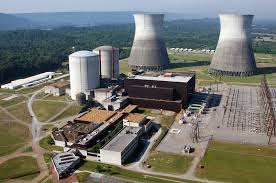
Small Modular Reactors (SMRs) represent the next generation of nuclear tech—compact, cost-effective, and safer. Their modular design allows incremental deployment, making them ideal for smaller grids like Bihar’s These SMRs integrate advanced safety systems, a faster build timeline, and a smaller environmental footprint compared to traditional reactors.
Why Bihar? Strategic Goals & Site Selection
Bihar, traditionally plagued by electricity shortages, may see a transformative shift in its energy infrastructure. The proposed site is Nawada district, with water support from Phulwaria Dam The SMR plant, alongside a 1,000 MW battery storage facility—also recently approved—sets the stage for enhanced grid stability and supports Bihar’s industrial aspirations
Political & Developmental Context
The announcement precedes the upcoming Bihar assembly election, reflecting political as well as developmental ambition. As Khattar stated, the SMR initiative dovetails with the slogan “Power for all and all times,” aiming to meet surging demand driven by economic growth It also aligns with the Union government’s ₹1.5 lakh‑crore budget support and long-term ₹42 lakh‑crore grid infrastructure investment plan
Implementation Timeline & Next Steps
While detailed timelines are pending, Bihar’s formal request has been accepted. Project planning—including site finalisation, SMR tech sourcing, and regulatory approvals—will unfold in the coming months. In parallel, a 500 MW interim power supply will augment Bihar’s capacity in the next six months
🔍 Why This News Is Important
Energy Security & Clean Power Shift
India’s shift to SMRs reflects an urgent need for clean, reliable energy that complements traditional thermal, solar, and wind sources. SMRs are pivotal to achieving the goal of 100 GW nuclear capacity by 2047, as stated in the 2025 Budget
Addressing Bihar’s Power Deficit
Bihar’s historic struggle with power shortages will be alleviated by this plant and accompanying battery storage, ensuring stable supply and enabling the state’s industrial expansion.
Political & Strategic Gain
Ahead of state elections, this central backing enhances public perception and underscores the Centre’s commitment to Bihar’s development and job creation in the energy sector
Technological Leadership
Deploying SMRs places India at the forefront of advanced nuclear technology, showcasing domestic capabilities and potentially attracting foreign technology partnerships, such as with France and the U.S. .
Grid Modernisation
Integration of SMRs with battery systems and enhanced grid resilience—including cybersecurity and islanding measures—represents a holistic modernization of India’s energy infrastructure
🏛 Historical Context: India’s Nuclear Path & SMR Strategy
India’s civil nuclear program began in the 1960s, championing Pressurized Heavy Water Reactors (PHWRs) and striving for self-reliance post-NPT exclusions Despite setbacks post-Fukushima and local resistance at plants like Jaitapur and Kudankulam the country remained committed to nuclear expansion.
The 2023–25 Union Budgets catalysed this push:
- Budget 2024–25 proposed “Bharat Small Reactors”
- Budget 2025–26 launched the Nuclear Energy Mission, aiming for 5 indigenous SMRs by 2033 and a 100 GW nuclear target by 2047
SMRs offer strategic flexibility—modular deployment, improved safety, and suitability for both urban and remote grids. Strategic partnerships were cemented through India–France and India–US agreements to push advanced nuclear tech .
📌 Key Takeaways from Bihar’s SMR Nuclear Announcement
| S. No | Key Takeaway |
|---|---|
| 1 | Bihar to host its first SMR-based nuclear power plant as part of India’s Nuclear Energy Mission. |
| 2 | Initiative announced on June 25, 2025, with ₹20,000‑crore funding in 2025–26 Budget. |
| 3 | Plant to be located in Nawada district, using water from Phulwaria Dam. |
| 4 | Bihar will also get a 1,000 MW battery storage project and 500 MW interim power within six months. |
| 5 | SMR deployment aligns with India’s goals: 100 GW nuclear by 2047, diversification of energy mix, and grid resilience. |
FAQs: Frequently Asked Questions
1. What is an SMR (Small Modular Reactor)?
SMRs are advanced nuclear reactors that are smaller in size, modular in design, and capable of being factory-built and assembled on-site. They offer enhanced safety, lower construction time, and flexibility for regional energy needs.
2. Where is Bihar’s first nuclear power plant being set up?
The plant is proposed in Nawada district, Bihar, with the Phulwaria Dam likely to be the water source.
3. What is the total allocation for the Nuclear Energy Mission under Budget 2025–26?
The central government has allocated ₹20,000 crore under the Nuclear Energy Mission for setting up SMRs across the country.
4. Why is Bihar chosen for this project?
Bihar has long struggled with power shortages. The SMR-based plant, along with battery storage support, will help meet its growing industrial and domestic energy demands.
5. What is India’s nuclear energy goal by 2047?
India aims to reach 100 GW of nuclear power generation capacity by 2047, in alignment with its clean energy transition plan.
6. What other energy-related projects are coming to Bihar?
Apart from the nuclear power plant, Bihar is also getting a 1,000 MW battery energy storage project and 500 MW interim power support from the central government.
7. What is the benefit of SMRs over traditional nuclear reactors?
SMRs are safer, quicker to build, scalable, cost-effective, and suitable for decentralized power generation, especially in regions with smaller grids like Bihar.
Some Important Current Affairs Links