





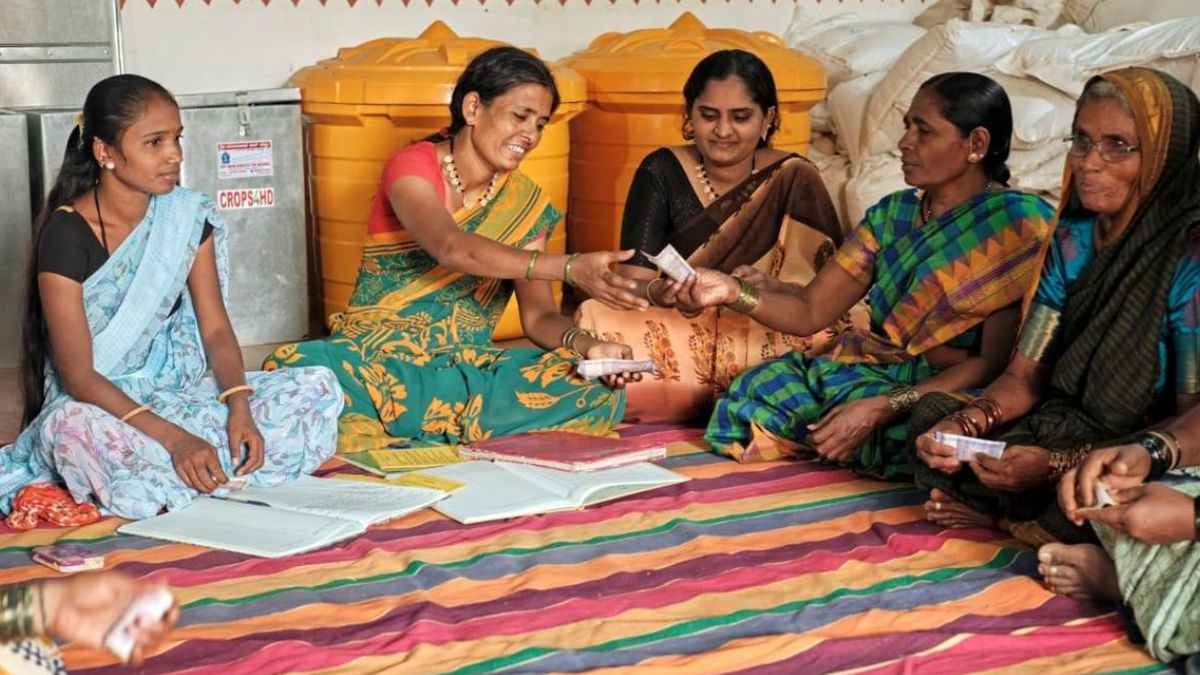
Bibi Fatima Women’s SHG wins UNDP Equator Prize 2025 for sustainable farming and biodiversity conservation in Karnataka, benefiting over 5,000 farmers with millet-based eco-friendly practices.
Bibi Fatima Women’s SHG Wins UNDP Equator Prize 2025 for Sustainable Farming and Biodiversity Conservation
Introduction: A Landmark Achievement from Rural Karnataka
The Bibi Fatima Women’s Self-Help Group (SHG) from Teertha village in Dharwad district, Karnataka, has won the prestigious Equator Prize 2025—also known as the Equator Initiative Award—presented by the United Nations Development Programme (UNDP). Often dubbed the “Nobel Prize for biodiversity,” this accolade recognizes grassroots initiatives that drive biodiversity conservation and sustainable development
Recognition on a Global Stage
Chosen among more than 700 nominations spanning 103 countries, the Bibi Fatima SHG stood out for its community-driven, eco-conscious practices. The 2025 theme was “Women and Youth Leadership for Nature-Based Climate Action,” underlining the significance of gender-inclusive environmental leadership As one of ten global winners—including initiatives from Argentina, Brazil, Peru, Indonesia, Kenya, Tanzania, Papua New Guinea, Ecuador, and others—it received USD 10,000 (around ₹8.5 lakh) along with international recognition and opportunities to engage with major UN platforms
Grassroots Origins and Mission
Founded in 2018 by 15 determined women under the mentorship of Sahaja Samruddha, the SHG set out with a mission to uplift small and marginal farmers through regenerative agriculture and environmental stewardship
Transformative Initiatives that Made the Difference
Over time, the SHG’s reach expanded to benefit over 5,000 farmers across 30 villagesHere’s how they transformed their community:
- Natural, Millet-Based Mixed Cropping: Implementing eco-friendly crop systems on rainfed farms to enhance biodiversity and resilience.
- Community Seed Banks: Preserving and distributing indigenous, climate-resilient millet varieties at no cost to farmers.
- Solar-Powered Processing Unit: Using renewable energy to process millets into value-added products like rotis and vermicelli.
- Awareness and Marketing: Promoting chemical-free, nutritious food through rural enterprise and consumer outreach
Collaboration and Institutional Support
The SHG’s success was bolstered by robust collaborations:
- Sahaja Samruddha for mentorship and organizational support,
- Indian Institute of Millets Research (IIMR) and CROPS4HD for technical help,
- Selco Foundation for solar-powered energy systems,
- Devadhanya Farmer Producer Company for promoting rural agribusiness
Impact: Biodiversity, Livelihoods, and Empowerment
Through their initiatives, the Bibi Fatima SHG has:
- Revived millet biodiversity and sustainable farming in drylands,
- Enhanced food and nutritional security,
- Created rural livelihoods and women’s empowerment,
- Helped communities adapt effectively to climate change impacts

Why This News Is Important
Global Recognition of Rural Women’s Leadership
This accomplishment underscores how local, women-led grassroots efforts—especially from rural India—can gain global acclaim and serve as models for sustainable development
Relevance for Government Exam Aspirants
Coverage of the Equator Prize bridges many syllabus themes—environment & biodiversity, women empowerment, sustainable agriculture, and SDG alignment. It’s a high-value topic for UPSC, SSC, State PSC, and other competitive exams.
Exemplifying Nature-Based Climate Solutions
The SHG’s initiatives highlight nature-based solutions for climate adaptation and resilience—critical in current environmental discourse and exam questions around climate policy and sustainable development
Historical Context
The Legacy of the Equator Prize
Launched in 2002 under UNDP’s Equator Initiative, the Equator Prize recognizes outstanding local and Indigenous efforts for biodiversity and poverty reduction. Past winners have demonstrated excellence in community governance, innovation, sustainability, and gender-inclusive leadership in conservation
India’s Track Record
India has previously featured winners like the Millet Network of India in 2019 for sustainable millet agriculture The 2025 recognition of the Bibi Fatima SHG further cements India’s role in pioneering grassroots, agro-ecological interventions.
Key Takeaways from “Bibi Fatima Women’s SHG Wins UNDP Equator Prize 2025”
| S.No | Key Takeaway |
|---|---|
| 1 | Bibi Fatima Women’s SHG from Karnataka is the only Indian winner of the Equator Prize 2025. |
| 2 | The 2025 Equator Prize theme: “Women and Youth Leadership for Nature-Based Climate Action.” |
| 3 | The SHG supports over 5,000 farmers across 30 villages through sustainable farming initiatives. |
| 4 | Key activities: millet-based natural farming, community seed banks, and solar-powered processing. |
| 5 | Collaborators include Sahaja Samruddha, IIMR, CROPS4HD, Selco Foundation, and Devadhanya FPC. |
FAQs – Frequently Asked Questions
Q1. What is the Equator Prize and who presents it?
The Equator Prize is a global award presented by the United Nations Development Programme (UNDP) to recognize outstanding community initiatives that advance biodiversity conservation, sustainable development, and climate resilience.
Q2. Which Indian group won the Equator Prize 2025?
The Bibi Fatima Women’s Self-Help Group from Teertha village, Dharwad district, Karnataka, won the Equator Prize 2025.
Q3. What was the theme of the Equator Prize 2025?
The theme was “Women and Youth Leadership for Nature-Based Climate Action.”
Q4. How many farmers benefit from the Bibi Fatima SHG’s initiatives?
Over 5,000 farmers across 30 villages benefit from their sustainable farming practices.
Q5. What kind of farming methods does the SHG promote?
They promote millet-based mixed cropping, natural farming, community seed banks, and solar-powered millet processing.
Q6. How much prize money did the winners receive?
Each winner received USD 10,000 (around ₹8.5 lakh).
Q7. When was the Bibi Fatima SHG founded?
It was founded in 2018 by 15 women with support from the NGO Sahaja Samruddha.
Q8. Name some organizations that collaborate with the Bibi Fatima SHG.
Partners include Sahaja Samruddha, Indian Institute of Millets Research (IIMR), CROPS4HD, Selco Foundation, and Devadhanya Farmer Producer Company.
Q9. Why is millet farming significant for climate resilience?
Millets are drought-tolerant, require less water, and can grow in poor soil conditions, making them ideal for climate-adaptive agriculture.
Q10. Has India won the Equator Prize before?
Yes, India has had previous winners, such as the Millet Network of India in 2019.
Some Important Current Affairs Links