






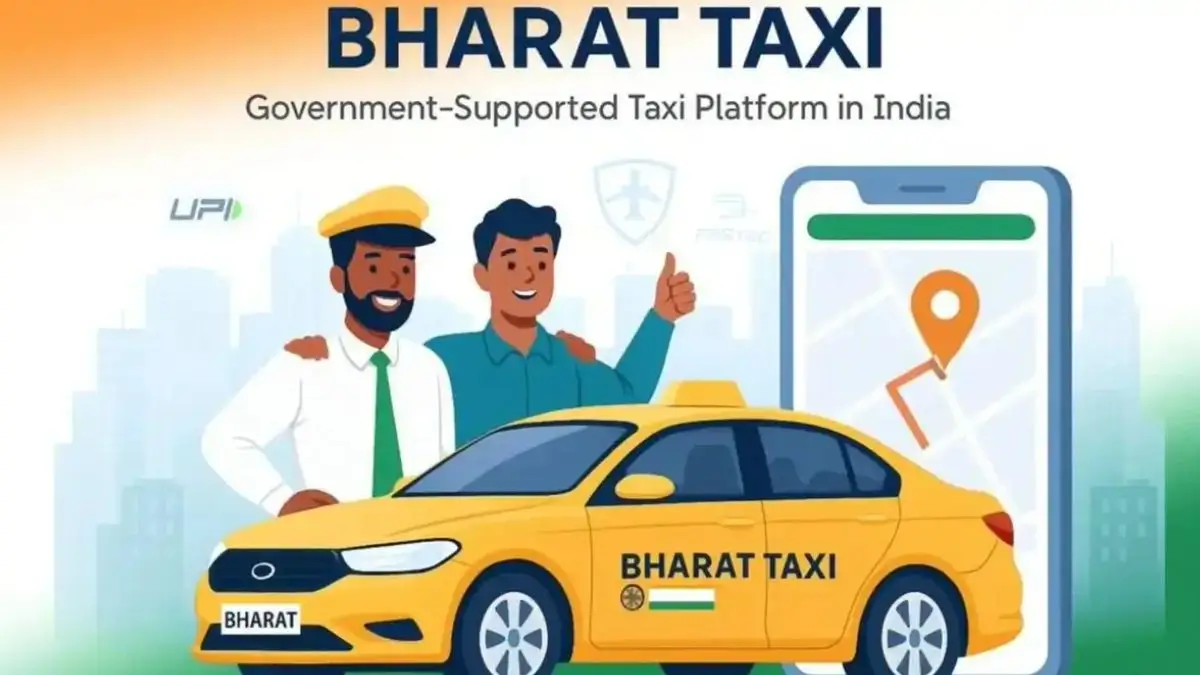
Bharat Taxi cooperative ride-hailing platform launched in India, empowering drivers through ownership and profit-sharing. Learn about its benefits, features, and impact on urban mobility.
Bharat Taxi Launched as India’s First Cooperative Ride-Hailing Platform
Introduction to Bharat Taxi
Bharat Taxi, India’s first cooperative ride-hailing platform, was officially launched to revolutionize the urban mobility sector. Unlike traditional ride-hailing services, Bharat Taxi is designed as a cooperative model, giving drivers ownership and a stake in the platform. This initiative aims to empower drivers while providing commuters with reliable, affordable, and efficient transportation services across India.
Unique Features of Bharat Taxi
Bharat Taxi distinguishes itself through its cooperative structure. Drivers become members and co-owners, ensuring that a significant portion of the platform’s revenue benefits them directly. The platform is expected to operate with lower service charges, transparent pricing, and incentive structures for loyal drivers, thereby fostering sustainable livelihoods. Additionally, the app integrates user-friendly features such as easy booking, safety measures, and multiple vehicle options to enhance passenger experience.
Government and Policy Support
The launch of Bharat Taxi aligns with India’s push for cooperative enterprises and shared ownership models. Government policies promoting startups, digital mobility, and cooperative business frameworks have created a favorable environment for such platforms. Bharat Taxi also reflects India’s commitment to financial inclusion, as cooperative ownership allows drivers to participate in the decision-making and profit-sharing processes.
Impact on Drivers and Urban Mobility
Bharat Taxi is expected to transform urban mobility by prioritizing driver welfare. By reducing dependency on corporate ride-hailing giants, drivers gain financial security, autonomy, and a sense of ownership. Passengers, in turn, benefit from competitive fares, better service quality, and safer travel options, making it a win-win scenario for all stakeholders.
Future Prospects
The cooperative model of Bharat Taxi is a novel approach that could inspire similar initiatives in other sectors. If successful, it may encourage cooperative startups across transportation, logistics, and gig economy services, contributing to broader economic empowerment and sustainable employment opportunities in India.

Why This News is Important
Significance for Government Exam Aspirants
For students preparing for government exams, understanding Bharat Taxi’s launch is important because it highlights innovations in India’s urban mobility sector and the growing role of cooperative business models. It showcases how India is fostering driver empowerment, financial inclusion, and shared ownership, which are key areas in contemporary government policies and schemes.
Economic and Social Relevance
The initiative emphasizes the importance of cooperative enterprises in the Indian economy. Cooperative models are frequently asked in exams like UPSC, SSC, and banking exams under topics such as economic reforms, cooperative societies, and labor welfare initiatives. Knowing about Bharat Taxi’s objectives and impact can help aspirants link current affairs with policy and economic development.
Historical Context
Background of Ride-Hailing in India
The ride-hailing sector in India has evolved rapidly over the last decade, dominated by private companies like Ola and Uber. While these platforms offered convenience, concerns about driver earnings, high commissions, and labor rights emerged. Bharat Taxi represents a shift from corporate-driven to cooperative-driven models, addressing these long-standing issues.
Rise of Cooperative Models
Cooperative societies have a long history in India, dating back to the cooperative credit societies of the early 20th century. They were designed to empower local communities, reduce exploitation, and promote shared economic growth. Bharat Taxi is the modern digital manifestation of this tradition, integrating technology with cooperative principles to address urban mobility challenges.
Key Takeaways from “Bharat Taxi Launch”
| S.No | Key Takeaway |
|---|---|
| 1 | Bharat Taxi is India’s first cooperative ride-hailing platform, giving drivers ownership and stake in the platform. |
| 2 | The platform offers lower service charges, transparent pricing, and incentives to support driver welfare. |
| 3 | Bharat Taxi aligns with government policies promoting cooperative enterprises and digital mobility solutions. |
| 4 | The initiative empowers drivers, providing financial security and reducing dependency on private ride-hailing companies. |
| 5 | Bharat Taxi represents a novel model in urban transportation, potentially inspiring similar cooperative startups across India. |
FAQs: Frequently Asked Questions
1. What is Bharat Taxi?
Bharat Taxi is India’s first cooperative ride-hailing platform where drivers have ownership stakes, promoting fair revenue sharing and empowering drivers.
2. How is Bharat Taxi different from Ola and Uber?
Unlike corporate ride-hailing companies, Bharat Taxi follows a cooperative model, ensuring that drivers earn more, participate in decisions, and share profits directly.
3. What benefits does Bharat Taxi offer to drivers?
Drivers benefit from reduced service charges, ownership stakes, profit-sharing, incentives for loyalty, and a sense of financial security.
4. How does Bharat Taxi impact commuters?
Passengers enjoy affordable fares, improved service quality, safety features, and a wide range of vehicle options, making daily commuting more convenient.
5. Which government policies support Bharat Taxi?
The platform aligns with policies promoting cooperative enterprises, digital mobility initiatives, gig economy empowerment, and financial inclusion in India.
6. Why is Bharat Taxi important for current affairs exams?
It highlights cooperative business models, urban mobility innovation, driver welfare, and government policy support, which are commonly asked in exams like UPSC, SSC, Banking, and State PSCs.
Some Important Current Affairs Links