










Bhairav Battalions India 2025 are elite rapid strike units designed for counter-insurgency and border security. Learn about their structure, training, and strategic importance.
India Raises Bhairav Battalions for Rapid Strike Missions
Introduction to Bhairav Battalions
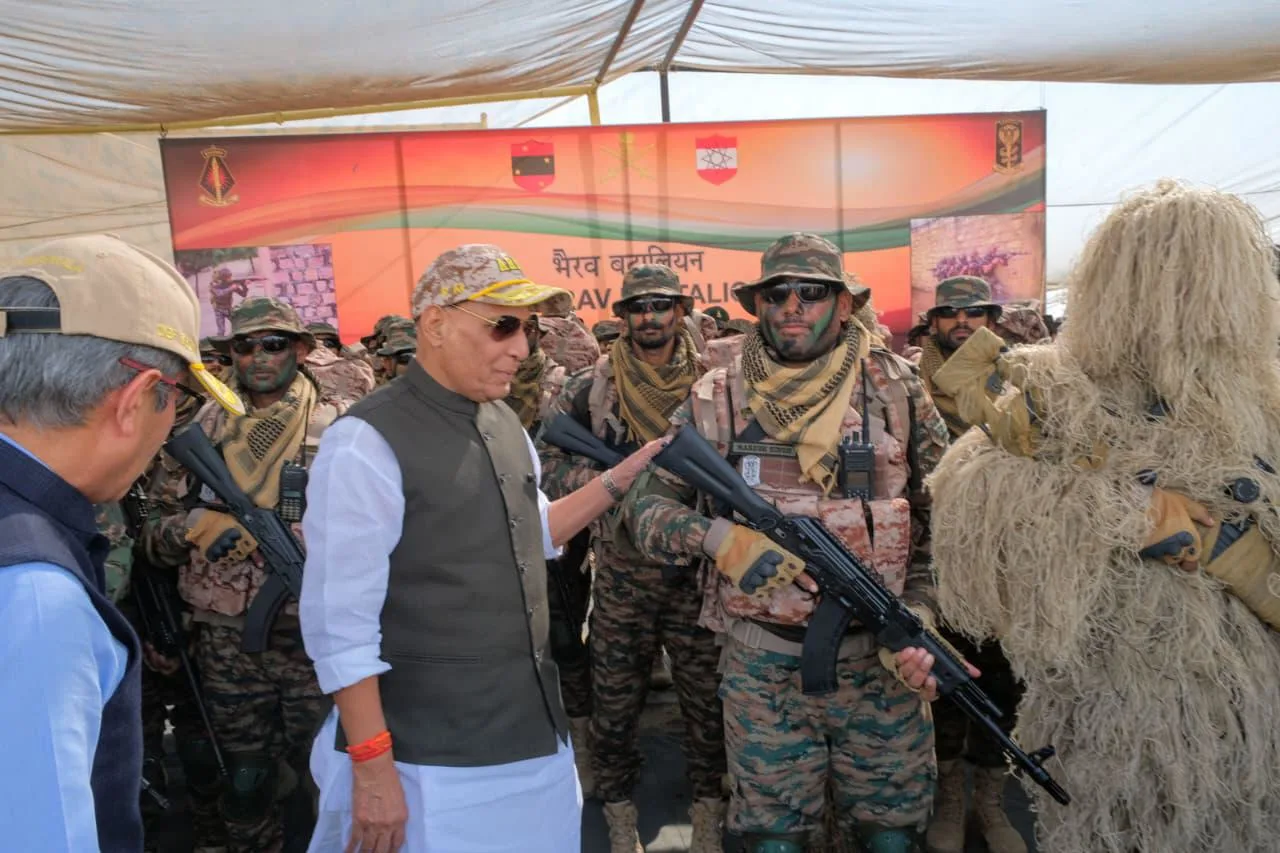
The Indian Army has initiated the formation of 25 elite “Bhairav Battalions” aimed at enhancing its rapid response capabilities. These specialized units are designed for swift deployment in surprise attacks, counter-insurgency operations, and securing border areas. The establishment of these battalions underscores India’s commitment to strengthening its defense infrastructure in response to evolving security challenges.
Composition and Training
Each Bhairav Battalion will consist of approximately 800 personnel, including infantry soldiers, combat engineers, and specialized units such as snipers and signal experts. The soldiers undergo rigorous training programs that encompass urban warfare, high-altitude operations, and cyber warfare tactics. This multidisciplinary approach ensures that the battalions are equipped to handle a wide array of combat scenarios.
Strategic Importance
The deployment of Bhairav Battalions is strategically significant, particularly in regions with volatile borders. Their rapid mobilization capabilities allow for timely interventions, deterring potential threats and maintaining national security. Additionally, these units play a crucial role in counter-insurgency operations, aiming to neutralize hostile elements swiftly and efficiently.
Technological Integration
Incorporating advanced technologies, the Bhairav Battalions are equipped with state-of-the-art communication systems and surveillance equipment. This technological integration enhances their operational effectiveness, enabling real-time intelligence sharing and coordinated strikes. The emphasis on cyber warfare training further prepares them to combat modern-day threats in the digital realm.
Future Prospects
Looking ahead, the Indian Army plans to expand the scope of the Bhairav Battalions by integrating them with other specialized forces and enhancing their capabilities through continuous training and technological upgrades. This forward-thinking approach aims to maintain India’s defense preparedness in the face of emerging global security dynamics.
🧠 Why This News Is Important
Enhancing National Security
The formation of Bhairav Battalions significantly bolsters India’s defense capabilities. By establishing specialized units trained for rapid deployment, the Indian Army can respond more effectively to security threats, ensuring the protection of national borders and internal stability.
Strategic Border Management
With borders in regions like Jammu and Kashmir and the Northeast being sensitive, the Bhairav Battalions are strategically positioned to address potential threats. Their presence acts as a deterrent to adversaries and ensures swift action in case of incursions or insurgent activities.
Integration of Modern Warfare Techniques
The emphasis on cyber warfare and technological integration within these battalions reflects the evolving nature of modern conflicts. It highlights India’s commitment to adopting advanced warfare techniques, ensuring that its armed forces remain at the forefront of global defense standards.
Implications for Defense Policy
The establishment of such specialized units may influence India’s defense policies, leading to increased investments in training, technology, and infrastructure. It also signals a proactive approach in addressing emerging security challenges, both conventional and unconventional.
Relevance for Competitive Exams
For students preparing for government exams, especially in defense-related sectors, understanding the formation and role of Bhairav Battalions is crucial. This development is pertinent to subjects like General Studies, Current Affairs, and Security Studies, making it a significant topic for examination.
🕰️ Historical Context
India’s focus on specialized rapid-response units dates back to the establishment of the Para Special Forces in the 1960s. Over the decades, the Indian Army has continually adapted its strategies to address emerging security challenges, leading to the formation of various specialized units. The Bhairav Battalions represent the latest evolution in this ongoing effort, combining traditional combat skills with modern technological advancements to create a versatile and formidable force.
📌 Key Takeaways from “India Raises Bhairav Battalions for Rapid Strike Missions”
| S.No | Key Takeaway |
|---|---|
| 1 | Formation of 25 Bhairav Battalions: Elite units for rapid deployment. |
| 2 | Comprehensive Training Programs: Includes urban warfare and cyber tactics. |
| 3 | Strategic Border Deployment: Positioned in sensitive regions for deterrence. |
| 4 | Advanced Technological Integration: Equipped with modern communication and surveillance tools. |
| 5 | Future Expansion Plans: Continuous upgrades and integration with other forces. |
FAQs: Frequently Asked Questions about Bhairav Battalions
Q1. What are Bhairav Battalions?
A1. Bhairav Battalions are specialized rapid-response units of the Indian Army, created to handle surprise attacks, counter-insurgency operations, and border security missions.
Q2. How many Bhairav Battalions has India raised?
A2. India has raised 25 Bhairav Battalions to enhance its rapid strike capabilities.
Q3. What is the approximate strength of each Bhairav Battalion?
A3. Each Bhairav Battalion consists of around 800 personnel, including infantry, combat engineers, snipers, and signal experts.
Q4. Why are Bhairav Battalions strategically important?
A4. They provide rapid deployment capabilities in sensitive border areas, act as a deterrent to adversaries, and strengthen national security.
Q5. What type of training do Bhairav Battalion soldiers receive?
A5. Soldiers undergo training in urban warfare, high-altitude operations, cyber warfare, and intelligence gathering, ensuring readiness for diverse combat situations.
Q6. How do Bhairav Battalions integrate technology?
A6. They are equipped with advanced communication, surveillance systems, and cyber warfare tools for effective real-time coordination and intelligence sharing.
Q7. Which regions are likely to benefit from the deployment of Bhairav Battalions?
A7. Sensitive border regions such as Jammu & Kashmir and Northeast India, where rapid intervention may be required, benefit from these units.
Q8. How does this news relate to competitive exams?
A8. Knowledge about Bhairav Battalions is relevant for UPSC, PSCs, defense, and security-related exam questions in the General Studies and Current Affairs sections.
Some Important Current Affairs Links