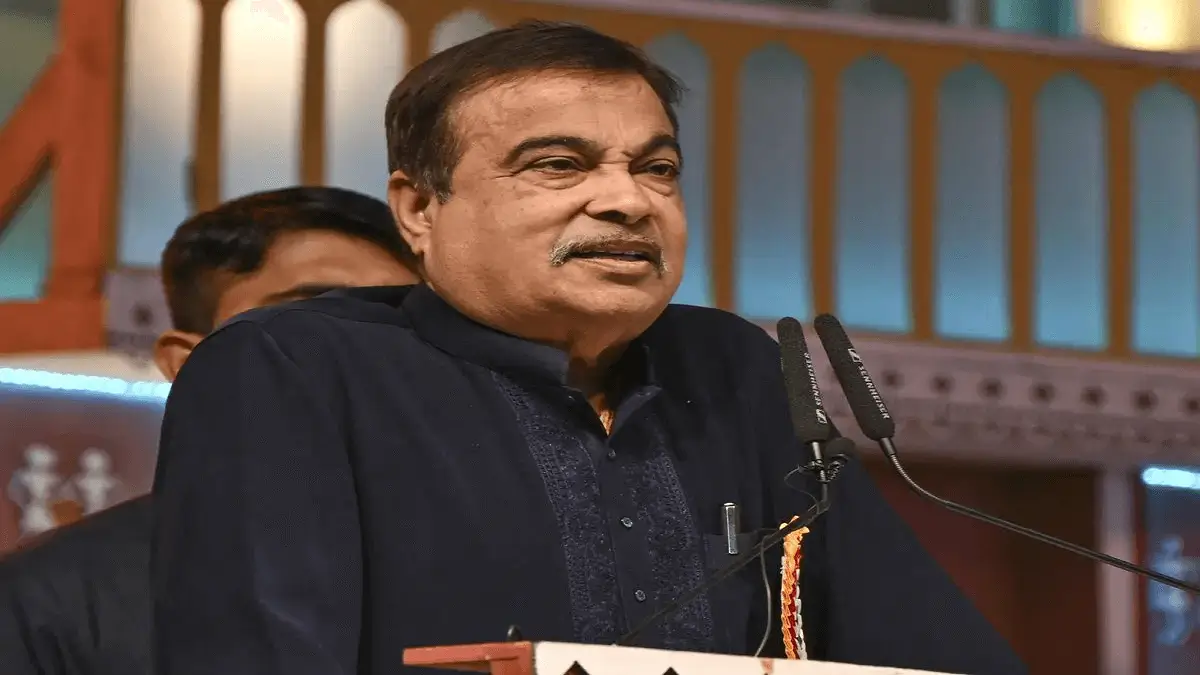


Namrup fertiliser plant Assam ₹10,601 crore launched by PM Modi to enhance urea production, reduce import dependency, and support farmers in northeastern and eastern India.
PM Modi Launches ₹10,601 Crore Fertiliser Plant in Assam’s Dibrugarh — A Major Boost to Agriculture & Industry
On December 21, 2025, Prime Minister Narendra Modi laid the foundation stone of a ₹10,601 crore ammonia-urea fertiliser plant at Namrup in Dibrugarh district of Assam. This large-scale project is being executed under the Assam Valley Fertiliser and Chemical Company Ltd (AVFCCL) within the existing premises of the Brahmaputra Valley Fertilizer Corporation Limited (BVFCL).
Strategic Importance of the Project
This fertiliser plant is designed as a brownfield Ammonia-Urea complex with a production capacity of 12.7 lakh metric tonnes of urea per year, aiming to strengthen India’s fertiliser infrastructure ― particularly in the Northeast and eastern India. Once commissioned (expected by 2030), it will supply essential nutrients to states such as Assam, West Bengal, Bihar, Jharkhand and eastern Uttar Pradesh, reducing dependence on imports and ensuring steady availability for farmers
Economic & Developmental Impact
With an investment of over ₹10,600 crore, the plant is expected to play a significant role in enhancing regional economic development. It will not only create direct and indirect employment opportunities but also support local businesses engaged in ancillary supply, logistics, and services related to fertiliser production and distribution.
Government’s Vision & Policy Alignment
The project aligns with the government’s broader goals of promoting self-reliance in agricultural inputs, ensuring food security, and supporting farmers by reducing logistic costs and strengthening supply chains. Speaking at the event, the Prime Minister emphasized that this initiative marks the beginning of “a new chapter of industrial progress” in Assam and the entire North East, reflecting the synergy between industrial growth and agricultural welfare.
Modern & Energy-Efficient Infrastructure
Built under a joint venture (JV) model with a 70:30 debt-equity ratio, the plant brings together investment and expertise from central and state entities, including National Fertilizers Ltd (NFL), Oil India Limited, Hindustan Urvarak & Rasayan Ltd (HURL), along with BVFCL and the Government of Assam holding equity shares. The infrastructure will be “energy efficient,” ensuring lower operational costs once the facility becomes fully functional.

Why This News Is Important for Government Exam Aspirants
Relevance to Agriculture & Economy
This announcement is crucial for students preparing for UPSC, SSC, Banking, Railways, and State PSC exams because it reflects the government’s policy priority towards agricultural infrastructure and self-sufficiency. The project will contribute significantly to reducing fertiliser import dependency, increasing domestic production, and ensuring steady supply for India’s farmers ― a key focus area in economic and agricultural current affairs.
Regional Development & Industrial Growth
For exams that test knowledge of regional planning and development (such as Geography, Indian Economy, and State PSC current affairs), this initiative showcases how infrastructural investment in the Northeast region of India enhances connectivity, promotes industrialisation, and addresses socio-economic imbalances.
Policy Implementation Insight
Understanding the government’s strategy (such as joint ventures, public-sector collaborations, and energy-efficient infrastructure) provides students with insight into industrial policy frameworks and investment models, which are often part of economic and governance questions in competitive exams.
Historical Context: Fertiliser Industry & Assam’s Development
Evolution of Fertiliser Production in India
India’s journey toward fertiliser self-reliance began post-Independence, with efforts to build domestic production capacity to support its agrarian economy. Over the decades, the establishment of plants like those under the Brahmaputra Valley Fertilizer Corporation Limited (BVFCL) in Assam has been central to ensuring availability of key nutrients like urea for Indian farmers.
Namrup’s Role in India’s Fertiliser Landscape
Namrup in Dibrugarh district has been a traditional hub for fertiliser manufacturing. Earlier generations of ammonia-urea complexes here served the Northeast region for decades. The new Namrup IV project represents a modernisation and expansion effort, aiming to leverage technological upgrades and regional resources efficiently.
Government Initiatives & Policy Support
In March 2025, the Union Cabinet approved the Namrup IV plant under the New Investment Policy with special provisions for equity participation and debt financing. The policy envisions collaborative public sector engagement to boost production capacity and reduce geographical disparities in infrastructure development.
Key Takeaways from ₹10,601 Crore Fertiliser Plant Launch
| S.No | Key Takeaway |
|---|---|
| 1. | Prime Minister Narendra Modi laid the foundation stone for a ₹10,601 crore ammonia-urea fertiliser plant at Namrup, Dibrugarh, Assam on December 21, 2025. |
| 2. | The plant will have an annual production capacity of 12.7 lakh metric tonnes of urea and is expected to be commissioned by 2030. |
| 3. | It is being developed under Assam Valley Fertiliser and Chemical Company Ltd (AVFCCL) via a joint venture with public sector partners. |
| 4. | The project aims to boost domestic fertiliser supply, reduce import dependence and support farmers in eastern and northeastern India. |
| 5. | The plant is expected to generate significant employment and contribute to regional economic growth. |
FAQs: Frequently Asked Questions
1. What is the total investment in the Namrup fertiliser plant?
The total investment in the ammonia‑urea fertiliser plant at Namrup, Dibrugarh, Assam, is ₹10,601 crore.
2. Who laid the foundation stone of the plant?
Prime Minister Narendra Modi laid the foundation stone on December 21, 2025.
3. What is the production capacity of the new plant?
The plant is designed to produce 12.7 lakh metric tonnes of urea per year.
4. When is the plant expected to be commissioned?
The plant is expected to be commissioned by 2030.
5. Which states will benefit from this plant?
States in eastern and northeastern India, including Assam, West Bengal, Bihar, Jharkhand, and eastern Uttar Pradesh, will benefit.
6. Which companies are involved in this project?
The project is a joint venture involving BVFCL, National Fertilizers Ltd, Oil India Limited, HURL, and the Government of Assam.
7. Why is this plant important for India?
It will reduce dependency on fertiliser imports, ensure steady supply to farmers, and contribute to regional economic development.
Some Important Current Affairs Links