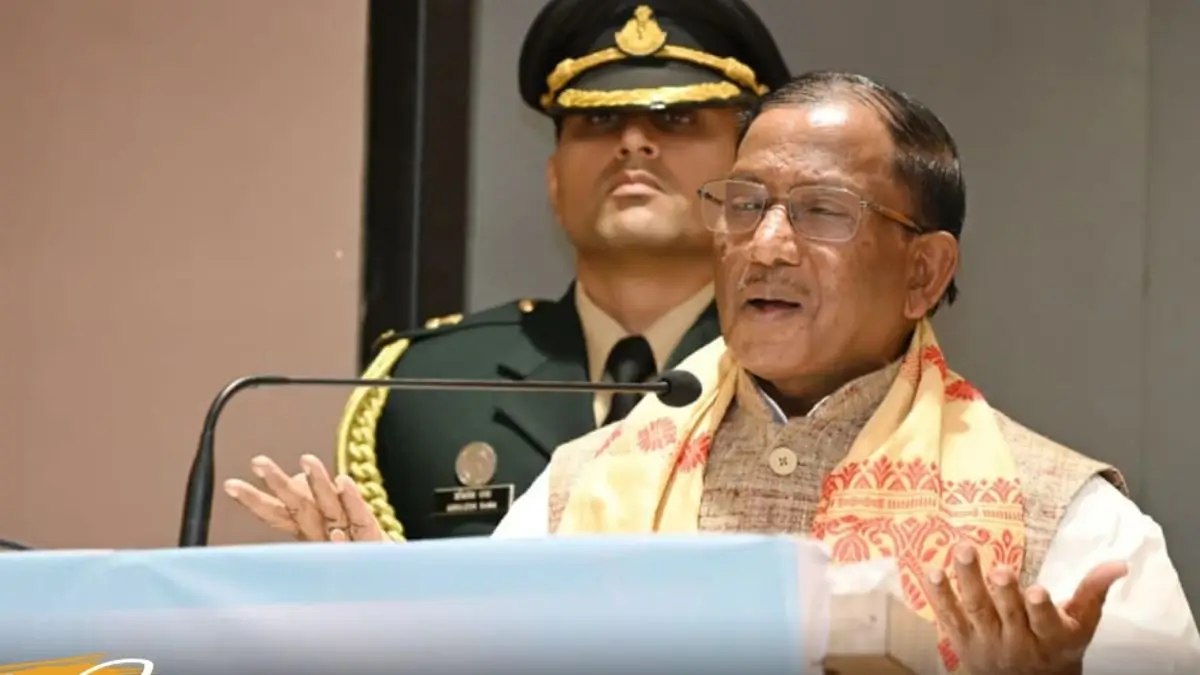










Lachit Divas 2025: Explore the heroic legacy of Lachit Borphukan, the Ahom general who defended Assam in the Battle of Saraighat. Learn about his bravery, historical significance, and national recognition.
Lachit Divas 2025 — Honouring Assam’s Hero and Defender of India’s Northeast
Lachit Divas: A Tribute to Courage and Leadership
Lachit Divas, observed every year on 24 November, honours the unparalleled bravery and leadership of Lachit Borphukan, a legendary general of the Ahom Kingdom. In 2025, this day is celebrated with vigor across Assam and beyond, as his historic role in protecting Assam from Mughal expansion remains deeply inspirational.
The Ahom Kingdom and Its Struggle
The Ahom dynasty, rooted in what is now Assam, ruled the Brahmaputra valley for several centuries — from the 13th to early 19th century.Their reign was marked by strong governance, a well-organized military, and deep integration with local cultures. However, their sovereignty was repeatedly challenged by the Mughal Empire. Between 1615 and 1682, the Ahom forces engaged in multiple conflicts with the Mughals under various emperors.
Lachit Borphukan: From Strategist to Iconic Commander
Lachit Borphukan emerged as a brilliant military leader under Ahom King Swargadeo Chakradhwaja Singha. He was not merely a soldier — he held administrative and judicial authority, making him one of the five principal councillors of the king. His strategy often relied on guerrilla tactics, leveraging Assam’s riverine terrain, local knowledge, and agile manoeuvres.
The Battle of Saraighat: A Turning Point
In 1671, Lachit led the Ahom forces to a decisive victory against the Mughals in the Battle of Saraighat, one of India’s most famous naval confrontations. Even though he was seriously ill during the battle, his courage and leadership never wavered. His men, inspired by his resolve, used riverine warfare to outsmart the numerically superior Mughal army. The victory effectively stopped the Mughal ambitions in Assam’s north-east region. Lachit passed away a year later in 1672, but his legacy as a born leader lives on.
Significance of Lachit Divas Today
Lachit Divas is more than just a remembrance day — it symbolizes patriotism, resistance, and regional pride. It underscores how strong leadership, strategic insight, and determination can defend a homeland, even when facing larger adversaries. Across Assam, public events are held: essays, elocution competitions, historical reenactments, and school programs all highlight his story.
National Recognition and Legacy
Lachit Borphukan’s impact isn’t limited to Assam’s history books. His memory receives national recognition as well. For instance, the National Defence Academy (NDA) awards a Lachit Borphukan Gold Medal annually to its top cadet.Also, in Assam, cultural organizations and youth groups host events honoring his spirit, connecting the youth with their historical roots. In 2025, celebrations have become even more prominent, highlighting his role not just as a regional hero but as a defender of India’s north-east.

B) Why This News Is Important
Relevance for Competitive Exams
Lachit Divas is highly relevant for aspirants preparing for a wide range of government exams — particularly defence, civil services (IAS/PCS), and state-level exams focused on Indian history and important days. Questions on Ahom history, regional heroes, and their contributions often appear in general studies papers, and understanding Lachit Borphukan’s role helps build a strong foundation for such topics.
Symbol of National and Regional Pride
Lachit Borphukan stands as a symbol of both Assamese identity and India’s wider historical narrative. For students in state-level exams, regional heroes like him matter as much as figures from all-India history because they often reflect the socio-political evolution of their states. For national-level exams, his story illustrates how smaller kingdoms successfully resisted imperial powers, which is a key theme in Indian early modern history.
Strategic and Military Insights
Lachit’s leadership in the Battle of Saraighat offers exam-relevant lessons in military strategy, leadership under adversity, use of geographical advantage (riverine warfare), and guerrilla tactics. These are valuable not only for history topics but also for understanding warfare and defence strategies — relevant for defence exams or questions about India’s military heritage.
Promotion of Heritage and Awareness
Highlighting the celebration of Lachit Divas reflects India’s effort to preserve and honor regional historical figures. For civil service aspirants, awareness about such days is crucial because they may be asked about national integration, regional contributions, and commemorative events.
C) Historical Context
Origins of the Ahom Dynasty
The Ahom dynasty was founded in the 13th century by Chao Sukapha, who migrated from what is now Myanmar and settled in the Brahmaputra valley. Over the centuries, the Ahoms built a strong political system, incorporated local traditions, and established their rule over the region. Their reign was distinguished by a capable military, progressive administration, and cultural assimilation.
Mughal‑Ahom Wars
From the early 17th century onwards, the Mughals attempted to expand into Assam. These efforts led to a long series of conflicts between the powerful Mughal Empire and the resilient Ahom Kingdom. One of the turning points was when Mir Jumla, a Mughal general, captured the Ahom capital. Later, under Swargadeo Chakradhwaja Singha, the Ahoms regrouped and prepared for a major resistance.
Battle of Saraighat (1671)
The climax of this conflict came in 1671 with the Battle of Saraighat — a naval confrontation fought on the Brahmaputra River. Lachit Borphukan, despite being ill, personally led the Ahom fleet against the Mughal forces commanded by Raja Ram Singh I. The Ahoms used swift boats, river geography, and guerrilla-like tactics to outmaneuver the Mughals and secure a decisive victory. This battle is considered one of the most significant in Indian history, as it halted Mughal advances into the northeast.
Legacy and Commemoration
After the battle, Lachit Borphukan’s name became legendary. He died in 1672, but his influence lived on. In modern times, Lachit Divas is observed on 24 November to mark his birth anniversary. Schools, colleges, and defense institutions in Assam and across India commemorate his bravery through events, essay competitions, and cultural programsThe National Defence Academy honors his memory through a Lachit Borphukan Gold Medal, granted annually to a top graduating cadet.
D) Key Takeaways from This News: Lachit Divas 2025
| S. No. | Key Takeaway |
|---|---|
| 1 | Lachit Divas is observed on 24 November to honour the birth anniversary of Lachit Borphukan, the Assamese military hero. |
| 2 | Lachit Borphukan was a general of the Ahom Kingdom who played a critical role in defending Assam from Mughal invasion. |
| 3 | Battle of Saraighat (1671) was a major naval battle led by Lachit, where the Ahom forces decisively defeated the Mughal army. |
| 4 | His military tactics included guerrilla warfare, river-based manoeuvres, and leveraging local terrain — despite being outnumbered. |
| 5 | National recognition: The NDA awards a Lachit Borphukan Gold Medal every year, and Assam holds cultural programs to keep his legacy alive. |
FAQs: Frequently Asked Questions
1. What is Lachit Divas?
Lachit Divas is celebrated annually on 24 November to honor Lachit Borphukan, the legendary Ahom general known for defending Assam against the Mughal invasions.
2. Who was Lachit Borphukan?
Lachit Borphukan was a military commander of the Ahom Kingdom who played a key role in the Battle of Saraighat (1671), securing a historic victory over the Mughal forces.
3. When was the Battle of Saraighat fought?
The Battle of Saraighat was fought in 1671, and it is considered one of the most significant naval battles in Indian history.
4. Why is Lachit Borphukan celebrated nationally?
His leadership, bravery, and strategic skills are symbolic of patriotism and resistance. The National Defence Academy awards the Lachit Borphukan Gold Medal annually in his honor.
5. What kind of activities are held on Lachit Divas?
Schools, colleges, and cultural organizations organize essay competitions, historical reenactments, speeches, and awareness programs to commemorate Lachit Borphukan’s bravery.
6. Which king did Lachit Borphukan serve under?
He served under Swargadeo Chakradhwaja Singha, the Ahom king during the 17th century.
7. How did Lachit Borphukan defeat the Mughal forces?
He used guerrilla tactics, riverine warfare, and local terrain advantages to outsmart the numerically superior Mughal army.
8. Why is Lachit Divas important for competitive exams?
Questions related to regional heroes, historical battles, and national commemorative days are frequently asked in UPSC, SSC, state civil services, banking, and defence exams.
Some Important Current Affairs Links