






Brahmaputra inland waterways projects in Dibrugarh boost National Waterway-2 connectivity, trade, and tourism in Assam. Learn key facts, exam highlights, MCQs, and analysis.
Three Major Inland Waterways Projects Opened on Brahmaputra in Dibrugarh
Introduction: Boost to Inland Water Transport in Northeast
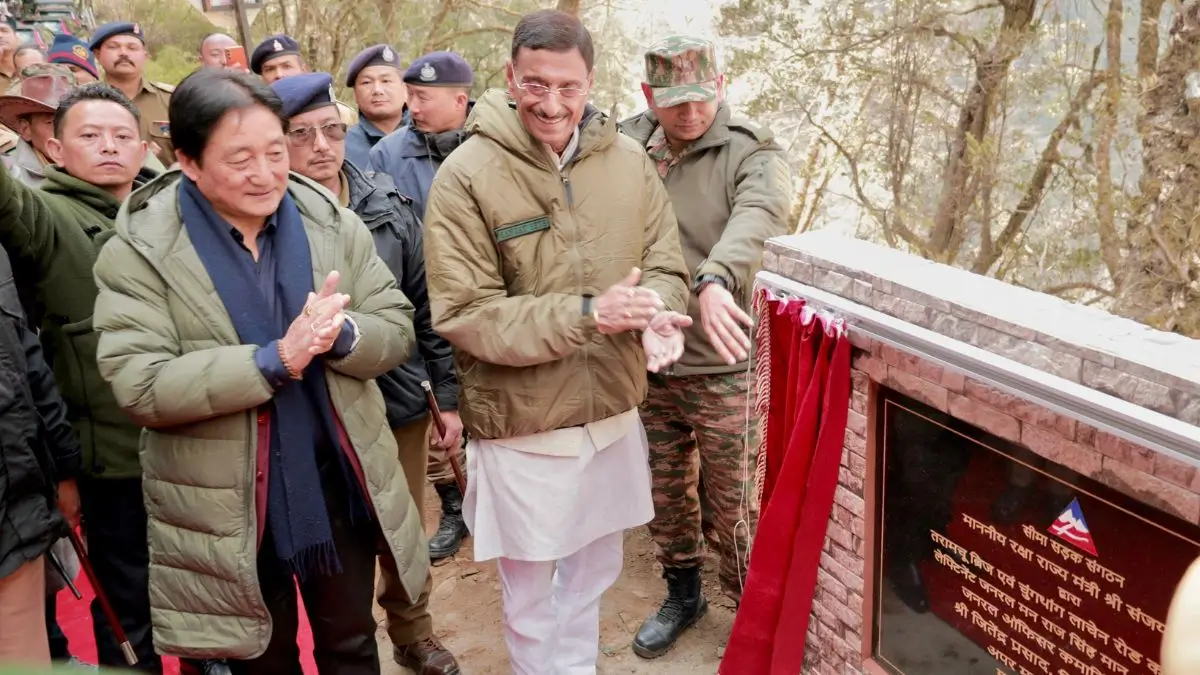
India has taken a significant step toward strengthening inland water transport by inaugurating three major projects on the Brahmaputra River in Dibrugarh, Assam. The projects were launched by Union Minister Sarbananda Sonowal, who heads the Ministry of Ports, Shipping and Waterways. These initiatives aim to improve cargo movement, tourism, and cross-border trade along National Waterway-2, which runs along the Brahmaputra River in Northeast India.
The development is part of the government’s broader strategy to promote inland waterways as an economical, eco-friendly, and efficient transportation system. The Brahmaputra River is considered one of the most important river systems in the Northeast, serving as a lifeline for transportation and economic activities in the region.
Details of the Three Inland Waterway Projects
The three newly inaugurated projects include:
- Customs and Immigration Complex at Bogibeel
- Customs and Immigration Complex at Dhubri
- Renovated Heritage Building of the Inland Waterways Authority of India (IWAI) in Dibrugarh
These facilities are designed to strengthen infrastructure along National Waterway-2, enabling smoother movement of cargo vessels and passenger services. The Bogibeel complex will function as a modern tourist-cum-cargo terminal that integrates customs, immigration, and administrative services.
Similarly, the Dhubri complex is strategically located near the Bangladesh border and is expected to enhance cross-border trade with Bangladesh and Bhutan. The renovated IWAI heritage building will serve administrative functions and promote river tourism in the region.
Significance for Trade, Tourism and Regional Development
The projects are expected to boost regional connectivity and strengthen trade routes through inland waterways. National Waterway-2 stretches about 891 km from Dhubri to Sadiya, making it one of India’s most important inland navigation routes.
Improved infrastructure along the Brahmaputra will allow larger vessels to operate more efficiently, reducing transportation costs compared to road and rail transport. It will also support river tourism and help integrate the Northeast with national and international trade networks.
The government has emphasized that these projects represent a balance between development and heritage preservation. The renovation of the IWAI heritage building reflects the attempt to modernize infrastructure while protecting historical structures.
Government Vision for Inland Waterways
During the inauguration, the minister highlighted the concept of “Vikas and Virasat” (Development and Heritage), emphasizing that economic progress should go hand in hand with preserving cultural and historical heritage. The Brahmaputra River is not only a transportation route but also a symbol of the region’s history and culture.
With increasing investments in river transport infrastructure, the government aims to turn the Northeast into a major logistics hub connecting India with neighboring countries in South and Southeast Asia. Inland waterways are also considered a sustainable transportation option because they produce lower carbon emissions compared to road transport.
Overall, these projects represent an important milestone in India’s efforts to develop its inland waterways network and strengthen economic development in the Northeast.

Why This News is Important
Importance for Infrastructure Development
The inauguration of these three inland waterway projects is important because it strengthens India’s transportation infrastructure in the Northeast. Inland water transport is cheaper and more environmentally friendly compared to road and rail transport. By improving navigation facilities on the Brahmaputra River, the government aims to promote efficient logistics and reduce transportation costs for businesses.
Strategic Importance for Northeast Connectivity
The Northeast region has historically faced connectivity challenges due to its difficult terrain and distance from major economic centers. The development of infrastructure along National Waterway-2 will improve connectivity between different parts of Assam and neighboring states. It will also support cross-border trade with countries like Bangladesh and Bhutan.
Economic and Trade Opportunities
The Customs and Immigration complexes at Bogibeel and Dhubri will facilitate international trade and passenger movement. These facilities will help streamline customs procedures, encourage exports and imports, and create new economic opportunities for businesses in the region.
Boost to Tourism and Regional Development
The improved waterway infrastructure is also expected to boost river tourism along the Brahmaputra. Cruise tourism and river transport can attract more visitors to Assam and the Northeast, contributing to local employment and economic growth.
Environmental Benefits
Promoting inland waterways supports sustainable transportation. River transport consumes less fuel and produces fewer emissions compared to trucks and trains. Therefore, these projects align with India’s broader goal of promoting greener and more sustainable transportation systems.
Historical Context: Development of Inland Waterways in India
Evolution of Inland Water Transport
Inland waterways have been used in India for centuries for transporting goods and passengers. Rivers such as the Ganga and Brahmaputra historically served as major trade routes connecting different regions of the country.
National Waterways Development
To revive this sector, the Government of India declared several rivers as national waterways. The Brahmaputra River was designated as National Waterway-2, stretching from Dhubri to Sadiya in Assam. This route plays a crucial role in transportation and trade in Northeast India.
Role of Inland Waterways Authority of India
The Inland Waterways Authority of India (IWAI) was established in 1986 to develop and regulate inland waterways in the country. The organization is responsible for building terminals, navigation facilities, and other infrastructure required for efficient river transport.
Recent Focus on Northeast Infrastructure
In recent years, the government has increased investments in infrastructure projects in the Northeast region, including bridges, tunnels, and waterways. These initiatives aim to integrate the region more closely with the national economy and strengthen trade links with neighboring countries.
Key Takeaways from This News
| S.No | Key Takeaway |
|---|---|
| 1 | Union Minister Sarbananda Sonowal inaugurated three inland waterway infrastructure projects in Dibrugarh, Assam. |
| 2 | The projects were launched on National Waterway-2 (Brahmaputra River), a major inland water transport route in Northeast India. |
| 3 | The initiatives include Customs and Immigration Complexes at Bogibeel and Dhubri, and renovation of the IWAI Heritage Building in Dibrugarh. |
| 4 | The projects aim to boost cargo movement, cross-border trade, tourism, and regional connectivity. |
| 5 | Strengthening inland waterways is part of India’s strategy to promote sustainable and cost-effective transportation. |
FAQs for Exam Preparation
1. What are the three inland waterways projects inaugurated on the Brahmaputra River?
The three projects include the Customs and Immigration Complex at Bogibeel, the Customs and Immigration Complex at Dhubri, and the renovated heritage building of the Inland Waterways Authority of India (IWAI) in Dibrugarh. These facilities are designed to strengthen inland water transport infrastructure on the Brahmaputra River.
2. Who inaugurated the inland waterways projects in Dibrugarh?
The projects were inaugurated by Sarbananda Sonowal, the Union Minister for Ports, Shipping and Waterways.
3. Which national waterway is associated with the Brahmaputra River?
The National Waterway 2 runs along the Brahmaputra River from Dhubri to Sadiya. It is one of the most important inland waterways in India.
4. What is the role of the Inland Waterways Authority of India?
The Inland Waterways Authority of India is responsible for developing and maintaining inland waterways for shipping and navigation across India.
5. Why are the Bogibeel and Dhubri terminals strategically important?
These terminals are important for enhancing cargo transport, improving river tourism, and facilitating cross-border trade with neighboring countries like Bangladesh and Bhutan.
6. Which state hosted the inauguration of the waterway projects?
The projects were inaugurated in Dibrugarh, located in the state of Assam.
7. How long is National Waterway-2?
National Waterway-2 stretches approximately 891 km along the Brahmaputra River, making it one of the longest inland waterways in India.
8. Why is inland water transport considered environmentally friendly?
Inland water transport consumes less fuel and produces fewer carbon emissions compared to road and rail transport, making it a sustainable mode of transportation.
9. How will these projects help the economy of Northeast India?
The projects will improve connectivity, reduce logistics costs, encourage trade, promote tourism, and generate employment opportunities in the region.
10. Which ministry oversees inland water transport in India?
The Ministry of Ports, Shipping and Waterways is responsible for the development of inland waterways in the country.
Some Important Current Affairs Links