




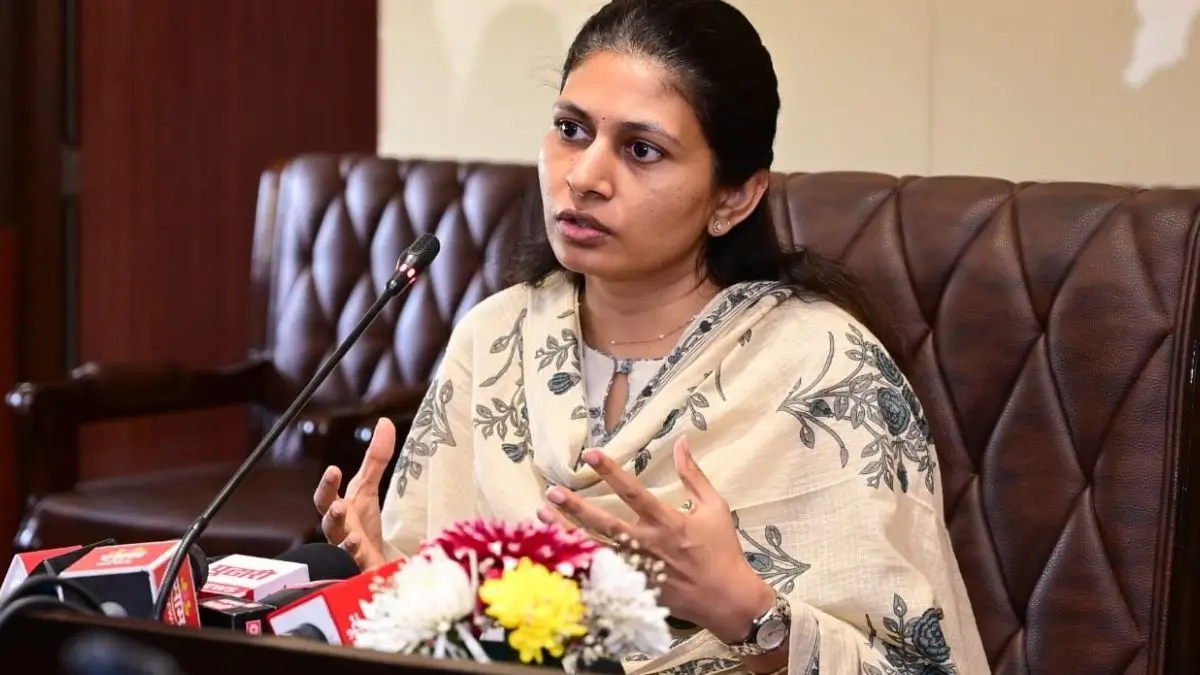
ASMITA Women’s Sports League 2026 special edition announced by Raksha Khadse aims to boost women participation in sports across 250 locations with 2.5 lakh athletes.
Raksha Khadse Announces Special Edition of ASMITA Women’s Sports League 2026
Introduction: Promoting Women’s Participation in Sports
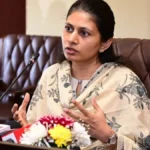
The Government of India has taken another important step toward strengthening women’s participation in sports. The Minister of State for Youth Affairs and Sports, Raksha Nikhil Khadse, announced a special edition of the ASMITA Women’s Sports League 2026 to celebrate International Women’s Day. The announcement was made in New Delhi under the initiative of the Ministry of Youth Affairs and Sports.
The league is part of the government’s broader efforts to promote women empowerment through sports and to encourage girls from rural and urban areas to actively participate in athletics competitions across India.
What is the ASMITA Women’s Sports League?
ASMITA stands for Achieving Sports Milestone by Inspiring Women Through Action. It is a nationwide initiative launched under the government’s sports development programme Khelo India.
The league aims to provide opportunities for girls and women to participate in sports competitions and to discover emerging talent across different regions of the country. The initiative focuses on strengthening grassroots-level sports infrastructure and building a strong pipeline of female athletes for national and international competitions.
Nationwide Sports Events and Participation
The special edition of the ASMITA Women’s Sports League will be organized simultaneously at around 250 locations across India. These events are expected to involve participation from approximately 2.5 lakh women athletes, making it one of the largest single-day women’s athletics initiatives in the country.
The competitions will include athletics events such as:
- 100 metres race
- 200 metres race
- 400 metres race
Participants will compete in three different age categories:
- Under-13 years
- 13–18 years
- 18 years and above
These categories ensure that girls and women from different age groups can showcase their athletic abilities and compete at an appropriate level.
Role of Sports Organizations and Implementation
The ASMITA Women’s Sports League is being implemented with the support of the Sports Authority of India along with national and state sports federations. The initiative is also supported by MY Bharat, district youth officers, and various sports associations.
Each competition venue will have trained officials, volunteers, and sports administrators to ensure smooth conduct of the events. Workshops and training sessions will also be conducted to develop technical skills and improve sports management capacity across districts.
Vision Behind the Initiative
According to Raksha Khadse, the initiative aims to integrate young women across the country through sports and create more opportunities for them to pursue athletics as a career. The government believes that strengthening sports participation at the grassroots level will help India build a stronger sporting ecosystem in the future.
The programme also aligns with India’s long-term ambitions of hosting major international sporting events, including the Commonwealth Games 2030 and potentially the 2036 Summer Olympics. Developing talent at district and grassroots levels is considered essential for achieving these goals.

Why This News is Important
Boost to Women Empowerment Through Sports
The announcement of the special edition of the ASMITA Women’s Sports League is significant because it promotes women empowerment through sports. For decades, women in India have faced barriers in accessing professional sports opportunities. By organizing nationwide competitions, the government is encouraging more girls to participate in athletics and develop their talent.
Such initiatives not only improve physical fitness and confidence among young women but also help challenge social stereotypes about women in sports. Increased participation can lead to better representation of women athletes in national and international competitions.
Strengthening Grassroots Sports Development
Another important aspect of this news is its focus on grassroots sports development. The league will be conducted in districts and cities across the country, enabling girls from smaller towns and rural areas to compete and gain exposure.
Through this platform, talented athletes can be identified early and trained under national programmes such as Khelo India. For students preparing for government exams, this initiative reflects the government’s strategy to build a strong sports ecosystem while promoting gender equality and youth development.
Historical Context
Background of the ASMITA Programme
The ASMITA initiative was launched in 2021 as part of the Khelo India mission to increase women’s participation in sports. Since its launch, the programme has organized more than 2,600 leagues across 34 sports disciplines in over 550 districts and 700 cities in India.
More than 3 lakh women athletes have participated in ASMITA leagues so far. The initiative has successfully reached remote regions, including northeastern states and districts that previously had limited sports infrastructure.
The programme is designed not only to promote participation but also to identify promising athletes who can represent India at national and international competitions. Over the years, it has become an important component of India’s sports development policy.
Key Takeaways from This News
| S.No. | Key Takeaway |
|---|---|
| 1 | Minister of State for Youth Affairs and Sports Raksha Nikhil Khadse announced a special edition of the ASMITA Women’s Sports League 2026. |
| 2 | The league is being organised to celebrate International Women’s Day on 8 March. |
| 3 | Events will be conducted at around 250 locations across India with participation from about 2.5 lakh women athletes. |
| 4 | Competitions will include athletics events such as 100m, 200m, and 400m races across three age groups. |
| 5 | The ASMITA programme, launched in 2021 under Khelo India, aims to increase women’s participation in sports and identify new talent. |
FAQs for Competitive Exam Preparation
1. Who announced the special edition of the ASMITA Women’s Sports League 2026?
The special edition of the ASMITA Women’s Sports League 2026 was announced by Raksha Nikhil Khadse, the Minister of State for Youth Affairs and Sports in India.
2. What does ASMITA stand for?
ASMITA stands for Achieving Sports Milestone by Inspiring Women Through Action. The initiative aims to increase participation of girls and women in sports across India.
3. Under which government initiative is the ASMITA Women’s Sports League organized?
The league is organized under the Khelo India programme of the Ministry of Youth Affairs and Sports to promote grassroots sports participation among women.
4. When was the ASMITA programme launched?
The ASMITA programme was launched in 2021 to improve women’s participation in sports and to identify talented female athletes from across India.
5. How many locations will host the special edition of the ASMITA Women’s Sports League 2026?
The special edition is planned to be conducted at around 250 locations across India, making it one of the largest women-focused sports initiatives in the country.
6. Approximately how many women athletes are expected to participate?
About 2.5 lakh women athletes are expected to participate in the nationwide events.
7. Which athletics events will be included in the league competitions?
The league will feature 100 metres, 200 metres, and 400 metres races, focusing on track events.
8. What are the age categories for participants in the ASMITA Women’s Sports League?
Participants will compete in three categories:
- Under-13 years
- 13–18 years
- 18 years and above
9. Which organization is responsible for implementing and supporting the league events?
The events are supported by the Sports Authority of India along with national and state sports federations.
10. Why is the ASMITA Women’s Sports League important for India’s sports ecosystem?
The initiative helps identify young female athletes at the grassroots level, promotes gender equality in sports, and contributes to building a stronger pipeline of athletes for national and international competitions.
Some Important Current Affairs Links