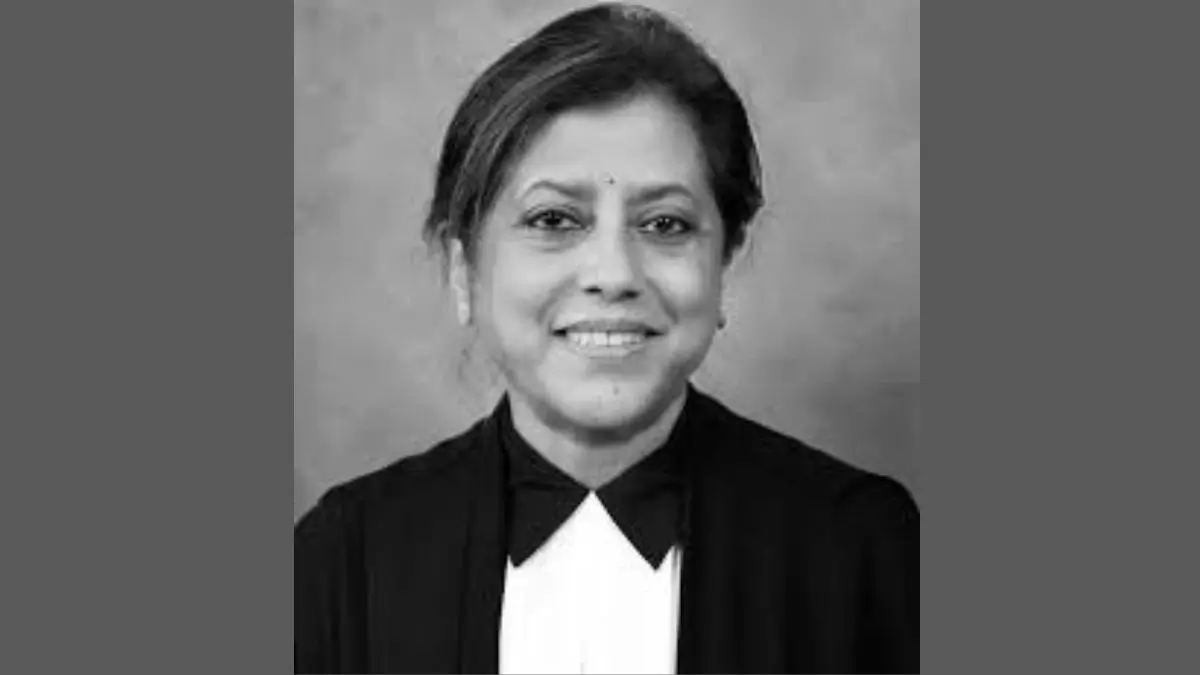




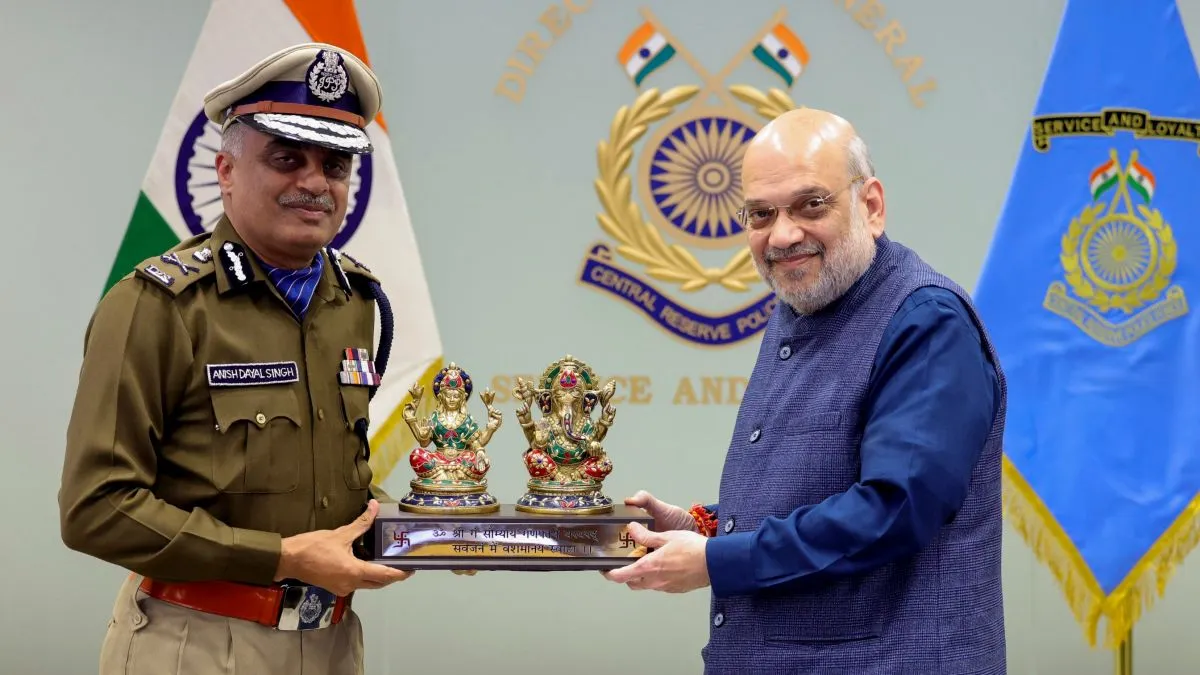
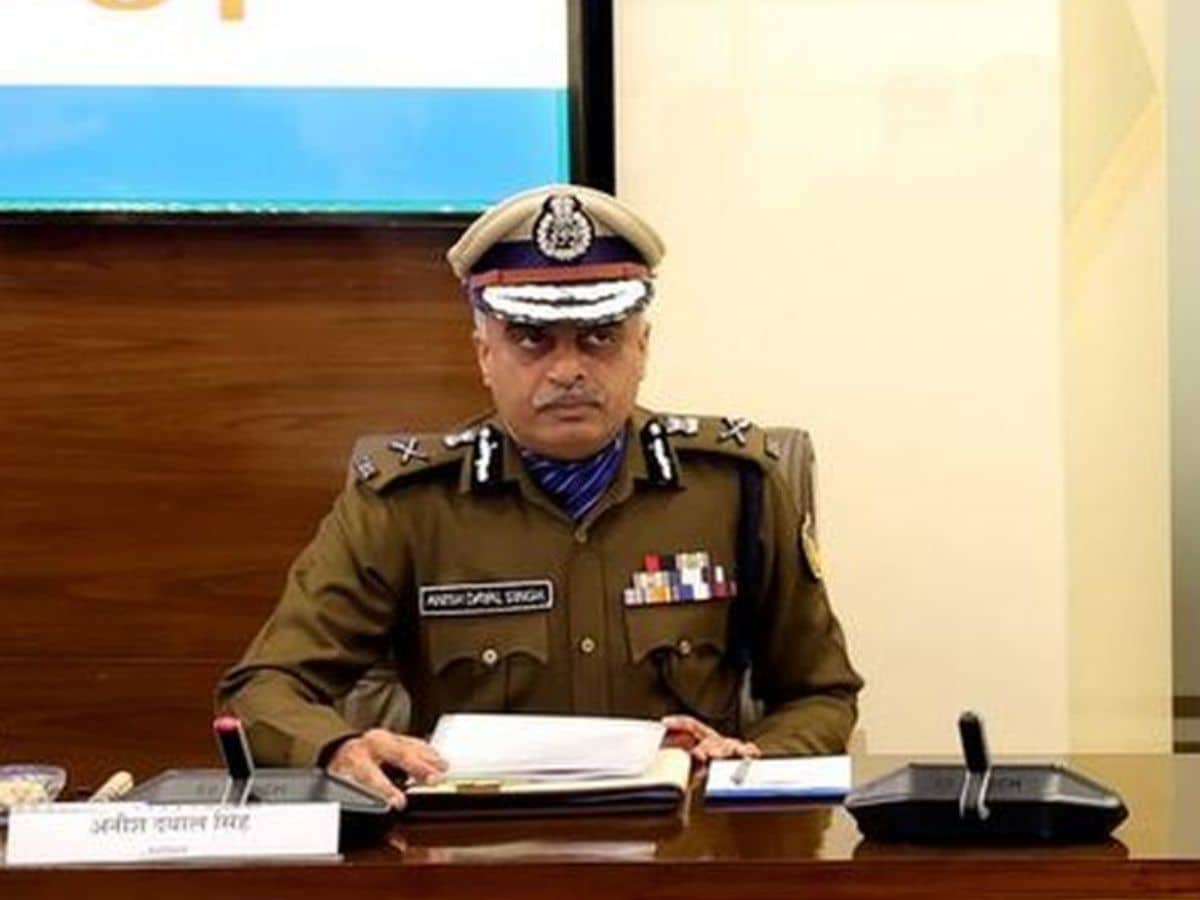
Anish Dayal Singh Deputy NSA appointment 2025: Senior IPS officer and former ITBP DG takes charge as Deputy National Security Adviser to strengthen India’s security leadership.
Anish Dayal Singh Appointed Deputy National Security Adviser to Prime Minister
Introduction
The Government of India has appointed Anish Dayal Singh, a senior Indian Police Service (IPS) officer of the 1988 batch, as the new Deputy National Security Adviser (NSA) to the Prime Minister. His appointment adds significant strength to the country’s national security framework, particularly at a time when India is facing multifaceted challenges both at domestic and international levels. Singh’s career spans more than three decades, during which he has held crucial positions in policing and paramilitary forces.
Professional Career and Experience
Anish Dayal Singh is a 1988-batch IPS officer of the Manipur cadre. Over his career, he has gained extensive experience in law enforcement, internal security, and border management. Prior to this new role, he served as the Director General of the Indo-Tibetan Border Police (ITBP) and the Bureau of Police Research and Development (BPR&D). These positions enabled him to engage directly with complex issues of border security, modernization of police forces, and research-based reforms in policing practices.
Significance of the Appointment
The Deputy NSA plays a vital role in advising the Prime Minister and the National Security Adviser on pressing national and international security issues. Singh’s appointment comes at a time when India’s security priorities include counter-terrorism, cyber security, border tensions, and regional stability in South Asia. His background in paramilitary leadership and institutional reform makes him a suitable choice for supporting India’s long-term strategic interests.
Contributions to Security and Policy
In his tenure as ITBP chief, Singh focused on strengthening India’s border defenses along the Indo-China frontier. His efforts emphasized advanced training, infrastructure development, and welfare of security personnel. As head of BPR&D, he championed police modernization, use of technology in policing, and capacity building. These contributions highlight his ability to integrate policy and operational frameworks to enhance national security.
Future Outlook
With Singh taking charge as Deputy NSA, India’s strategic planning is expected to gain from his experience in handling internal security and border management. His expertise is also likely to help the government in strengthening international collaborations on security matters, enhancing counter-terrorism strategies, and ensuring coordination among various agencies dealing with emerging security threats.
Why this News is Important
Impact on National Security
The appointment of Anish Dayal Singh as Deputy NSA strengthens India’s security leadership at the highest levels. This is important for aspirants of government exams because national security forms a recurring theme in current affairs and general studies papers.
Relevance for Examinations
Candidates preparing for civil services, defence, police, and banking exams should note this development, as questions often focus on high-profile appointments and their significance in policy making. Understanding Singh’s role and background helps in answering both static GK and current affairs questions.
Policy Implications
His appointment reflects India’s evolving security priorities, including cyber defence, counter-terrorism, and border stability. For students, analyzing such appointments provides insights into the link between administrative leadership and policy outcomes, a key element of essay and interview preparation.
Linking Security with Governance
The Deputy NSA’s position bridges operational experience and policy advice. This helps candidates appreciate how governance, administration, and national security intersect—knowledge crucial for aspirants of IAS, IPS, and allied services.
Historical Context
The position of Deputy National Security Adviser was created to assist the National Security Adviser (NSA) in managing the vast and complex security challenges faced by India. Over the years, several senior officers with backgrounds in diplomacy, intelligence, and armed forces have served in this role. The NSA framework became especially important after the Kargil War of 1999, which underscored the need for integrated strategic planning. The current appointment continues this tradition, bringing in a senior IPS officer with vast field experience.
Key Takeaways from This News
| S.No | Key Takeaway |
|---|---|
| 1 | Anish Dayal Singh, a 1988-batch Manipur cadre IPS officer, has been appointed Deputy National Security Adviser to the Prime Minister. |
| 2 | He previously served as Director General of ITBP and BPR&D, focusing on border security and police modernization. |
| 3 | The Deputy NSA plays a crucial role in advising on national and international security challenges. |
| 4 | His appointment highlights India’s priorities in counter-terrorism, cyber security, and border stability. |
| 5 | The role emerged after the Kargil War of 1999 to strengthen integrated national security planning. |
Frequently Asked Questions (FAQs)
1. Who is Anish Dayal Singh?
Anish Dayal Singh is a 1988-batch IPS officer of the Manipur cadre. He has been appointed as the Deputy National Security Adviser (NSA) to the Prime Minister.
2. What positions did Anish Dayal Singh hold before becoming Deputy NSA?
He served as Director General of the Indo-Tibetan Border Police (ITBP) and the Bureau of Police Research and Development (BPR&D).
3. What is the role of the Deputy NSA?
The Deputy NSA assists the National Security Adviser in policy planning and provides advice to the Prime Minister on national and international security issues.
4. Why was the Deputy NSA position created?
The position was introduced after the Kargil War of 1999 to ensure integrated strategic planning and to strengthen India’s national security apparatus.
5. Why is this appointment important for exam aspirants?
It is relevant for civil services, defence, police, and banking exams because appointments in key government and security positions are frequently asked in current affairs sections.
6. Which cadre does Anish Dayal Singh belong to?
He belongs to the Manipur cadre of the Indian Police Service.
7. What are India’s current key security challenges?
Major challenges include counter-terrorism, cyber security, border management, and regional stability in South Asia.
8. Who heads the National Security Council of India?
The National Security Council is headed by the National Security Adviser (NSA), currently Ajit Doval.
9. Which forces report to ITBP?
The Indo-Tibetan Border Police is responsible for guarding India’s border with China along the Himalayan region.
10. How is this topic useful for essay writing in exams?
This topic helps candidates connect security administration with governance and policy-making, a frequent theme in essays and interviews.
Some Important Current Affairs Links