







Andhra Pradesh new districts 2025 update: Polavaram, Markapuram, and Madanapalle are formed, increasing total districts to 29. Key revenue divisions, mandals, and administrative reforms explained for exam preparation.
Andhra Pradesh to get 3 new districts; total rises to 29
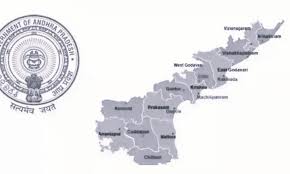
New Administrative Map for Andhra Pradesh
The government of Andhra Pradesh has approved the creation of three new districts — Polavaram, Markapuram and Madanapalle — bringing the total number of districts in the state from 26 to 29.
This decision was cleared by the state’s Chief Minister N. Chandrababu Naidu, following recommendations from a Group of Ministers (GoM). The move also entails the formation of five new revenue divisions and one new mandal to reorganize administrative territories for better governance.
Details of New Districts, Divisions and Mandal
New Districts
- Polavaram — Headquarters: Rampachodavaram. This district will include the revenue divisions of Rampachodavaram and Chinturu.
- Markapuram — Carved out mainly from parts of existing Prakasam district.
- Madanapalle — Also newly formed, with restructured administrative divisions for enhanced local governance.
New Revenue Divisions Proposed
- Nakkapalli (in Anakapalli district)
- Addanki (in Prakasam district)
- Pileru (in new Madanapalle district)
- Banaganapalle (in Nandyal district)
- Madakasira (in Sri Sathya Sai district)
New Mandal
- A new mandal named Pedda Harivanam will be carved out by bifurcating the existing Adoni mandal in Kurnool district.
Why This Reorganisation Is Being Undertaken
The state government’s motive behind reorganizing districts, revenue divisions, and mandals is to bring governance closer to people, especially in remote and tribal areas. It aims to improve administrative accessibility, streamline delivery of public services, and ensure balanced regional development.
By reducing the size of administrative units and creating more manageable districts/divisions, the government hopes to make public welfare schemes more effective, speed up local governance, and reduce regional disparities.

Why This News Is Important
Relevance for Government-Exam Aspirants
For students preparing for various competitive exams — be it civil services (state or national), state public service commissions, banking, railways, or other administrative posts — having updated knowledge of administrative geography and recent reorganisations is crucial. Questions in General Knowledge, Indian Polity & Administration, and Current Affairs sections often test such changes.
Impact on Governance and Public Services
The creation of new districts, revenue divisions and mandals is a significant step towards decentralised governance. It may lead to improved administrative efficiency, easier access to government offices for citizens, and faster delivery of welfare schemes. For aspirants aiming for administrative or civil-services roles in Andhra Pradesh (or those appearing in all-India exams), understanding these administrative structures gives an edge.
Reflects Broader Trend in India’s Administrative Reforms
Such reorganisation reflects a broader pattern across Indian states of adjusting district boundaries to match population growth, improve governance, and meet regional development needs. Tracking these developments helps aspirants stay updated with ongoing reforms in Indian states.
Historical Context
India has a long history of reorganising administrative boundaries based on feedback from governments, regional demands, demographic changes, and development needs. Over time, several states have carved out new states and districts — for better governance, to address regional aspirations, and to ensure equitable resource distribution.
The present reorganisation in Andhra Pradesh is part of that continuing tradition. With population growth, urbanisation, and increasing administrative load, smaller and more numerous districts/divisions often help improve governance. Moreover, tribal and remote areas — which historically have lagged in development — can benefit when administration becomes more localized.
Past restructuring in various states (and even within Andhra Pradesh) has shown that such administrative reorganisation often triggers improved public service delivery, better law-and-order management, and more efficient implementation of schemes. The new districts of Polavaram, Markapuram and Madanapalle mark the latest chapter in Andhra Pradesh’s evolving administrative map.
Key Takeaways from Andhra Pradesh’s New Districts Decision
| S.No | Key Takeaway |
|---|---|
| 1 | Total number of districts in Andhra Pradesh will increase from 26 to 29 with the addition of Polavaram, Markapuram and Madanapalle. |
| 2 | Five new revenue divisions will be created: Nakkapalli, Addanki, Pileru, Banaganapalle, and Madakasira. |
| 3 | A new mandal, Pedda Harivanam, will be carved out by splitting Adoni mandal in Kurnool district. |
| 4 | The reorganisation aims to improve administrative accessibility, streamline governance and facilitate better delivery of public services, especially in remote and tribal regions. |
| 5 | This move reflects a broader trend of administrative reforms in India aimed at decentralisation and balanced regional development. |
FAQs: Frequently Asked Questions
1. How many new districts are being formed in Andhra Pradesh?
Three new districts — Polavaram, Markapuram, and Madanapalle — are being formed, increasing the total number of districts to 29.
2. Which new revenue divisions are proposed in Andhra Pradesh?
Five new revenue divisions are proposed: Nakkapalli, Addanki, Pileru, Banaganapalle, and Madakasira.
3. What is the purpose of creating new districts and divisions?
The reorganisation aims to improve administrative accessibility, governance efficiency, delivery of public services, and balanced regional development, particularly in remote and tribal areas.
4. Which new mandal will be created in Kurnool district?
Pedda Harivanam mandal will be carved out by bifurcating the existing Adoni mandal in Kurnool district.
5. Why is this news important for government exam aspirants?
Knowledge of administrative changes, district reorganisations, and governance reforms is essential for sections like General Knowledge, Indian Polity, and Current Affairs in exams for civil services, state PSCs, banking, railways, and defence.
6. Who approved the creation of new districts in Andhra Pradesh?
The decision was approved by the Andhra Pradesh state government under the leadership of Chief Minister N. Chandrababu Naidu.
7. How does this reorganisation reflect broader trends in India?
It is part of a broader pattern in India where states reorganize administrative units to improve governance, manage population growth, and ensure equitable regional development.
Some Important Current Affairs Links