








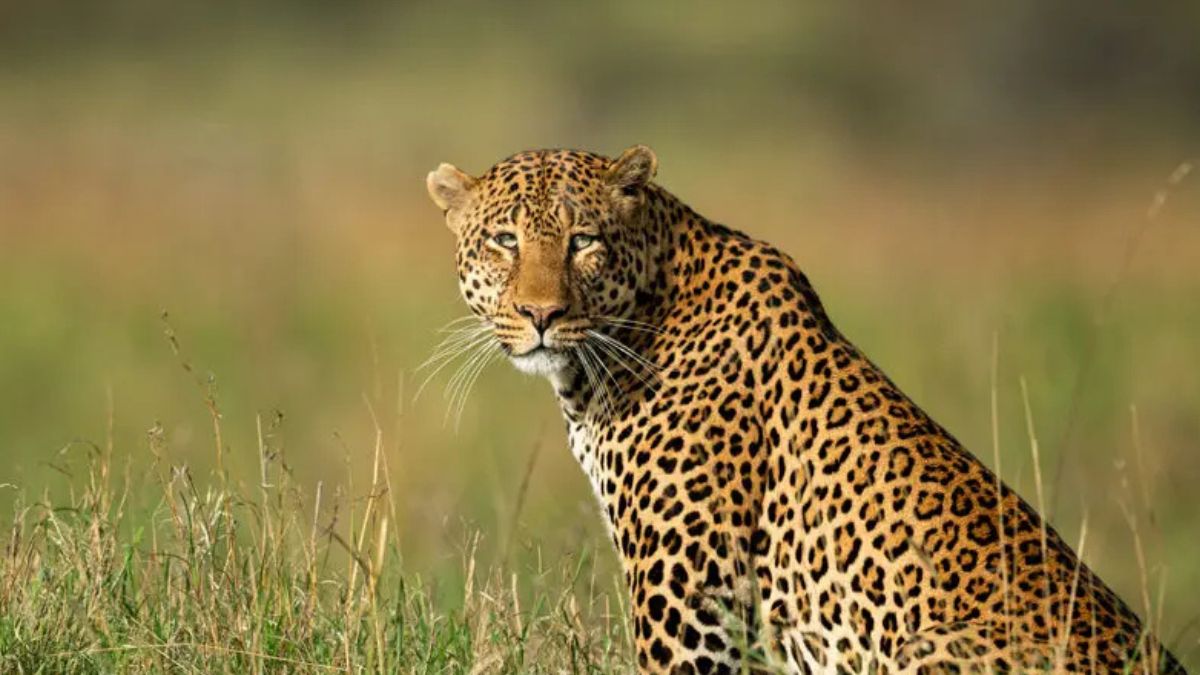
Leopard population in Bengaluru surpasses Mumbai, making it India’s new leopard capital. Discover how Bannerghatta National Park and conservation efforts shaped this urban wildlife success.
Overview of the Milestone
In a groundbreaking wildlife study, Bengaluru has officially overtaken Mumbai as India’s “Leopard Capital.” The year-long camera trap survey conducted in and around Bengaluru’s green fringe zones identified approximately 80–85 free-ranging leopards—surpassing Mumbai’s count of 54
Methodology and Data Collection
A team from the Holématthi Nature Foundation (HNF), led by renowned conservation biologist Sanjay Gubbi, deployed over 250 camera traps across nearly 282 km² spanning Bannerghatta National Park (BNP) and its surrounding forests. Of the total leopard count, 54 were inside BNP, while around 30 roamed adjacent green patches
Rising Numbers Over Time
Leopard numbers within BNP have steadily risen over the last six years—from 40 in 2019 to 47 in 2020, culminating at 54 in 2025. This growth is credited to stringent protection protocols, boosted prey populations, and strategic translocation efforts
Importance of Coexistence and Habitat
Bengaluru is unique among Indian metros—it borders tiger reserves and supports a diverse assembly of wildlife including elephants, gaur, dholes, sambar, and more. The survey monitored 34 mammal species, eight of which are IUCN-listed as Endangered or Near Threatened. Additionally, 22 species fall under Schedule I and five under Schedule II of the Wildlife (Protection) Act, 1972 .
Conservation Implications and Recommendations
HNF recommends strengthening community awareness, halting further leopard relocations into BNP, and tackling human-leopard conflict at its origin. These measures aim to sustain the delicate balance between Bengaluru’s urban expansion and wildlife conservation

Why This News Is Important
### Heightened Conservation Awareness
This development highlights the critical need for conservation efforts within urban environments. Bengaluru’s surge in leopard population is a testament to effective wildlife protection but also a call to address rising human-wildlife interactions as the city expands.
Relevance for Exam Aspirants
For candidates preparing for civil services, state judicial services, banking, police, teaching, and railways, this news exemplifies current affairs in environmental policy, urban ecology, and sustainable development—topics frequently tested in both objective and descriptive sections.
Insight into Human-Wildlife Coexistence
Understanding the dynamics of wildlife cohabitation with urban areas is essential for governance-related roles. This case illustrates successful biodiversity management, legal protections under the Wildlife Act, and community-based conflict resolution strategies—all vital for effective policymaking.
Historical Context: Leopards in Bengaluru’s Urban Landscape
Since 2019, periodic wildlife counts have revealed a consistent increase in leopard presence within Bengaluru’s periphery. These big cats have thrived in forested regions like Bannerghatta, Turahalli, and Hesaraghatta, benefiting from legal protections, bolstered prey density, and targeted translocations.
Unlike many Indian cities, Bengaluru’s metropolitan borders surprisingly inhabit apex predators—including tigers and leopards—due to its unique eco-zone adjacency. The city’s proactive conservation policies have ensured that green belts and corridors remain functional, fostering biodiversity amid rapid urbanization. The 2025 camera trap survey is a culmination of these years-long efforts, and underscores a shift in urban wildlife planning tied to legislative frameworks like the Wildlife Protection Act, 1972.
Key Takeaways from Bengaluru Becoming Leopard Capital
| S.No | Key Takeaway |
|---|---|
| 1 | Bengaluru’s leopard count (~80–85) exceeds Mumbai’s (54), making it India’s new “Leopard Capital” |
| 2 | A survey using 250+ camera traps across 282 km² revealed 54 leopards in BNP and ~30 in adjacent zones . |
| 3 | Population in BNP rose from 40 (2019) → 47 (2020) → 54 (2025), attributed to improved protection and prey base . |
| 4 | Bengaluru’s outskirts support 34 mammal species, including eight threatened species, underlining its biodiversity wealth . |
| 5 | HNF recommends enhanced community outreach and addressing root causes of conflict instead of translocating leopards . |
FAQs: Frequently Asked Questions
Q1. Why has Bengaluru been termed India’s “Leopard Capital”?
Bengaluru has overtaken Mumbai in leopard population due to a recent survey that recorded around 80–85 free-ranging leopards in and around Bannerghatta National Park (BNP) and adjacent areas.
Q2. What role did Bannerghatta National Park play in this study?
BNP was the core area for the camera trap survey and houses the highest number of leopards (54) within Bengaluru’s leopard population.
Q3. Which organization conducted the leopard survey in Bengaluru?
The Holématthi Nature Foundation (HNF) led the study using over 250 camera traps across 282 square kilometers.
Q4. Why is this development significant for urban biodiversity?
It highlights successful wildlife conservation within urban limits, stressing the importance of maintaining green belts and wildlife corridors amidst urbanization.
Q5. What are the major conservation recommendations made by HNF?
HNF advised against translocating leopards into BNP and emphasized addressing the root causes of human-wildlife conflict through community awareness.
Some Important Current Affairs Links