






Warren Buffett steps down as CEO of Berkshire Hathaway after nearly 60 years; Greg Abel appointed as CEO. Learn about leadership transition, global business impact, and investment legacy.
Warren Buffett Steps Down as CEO of Berkshire Hathaway—An End of an Era in Global Business Leadership
Introduction to the News
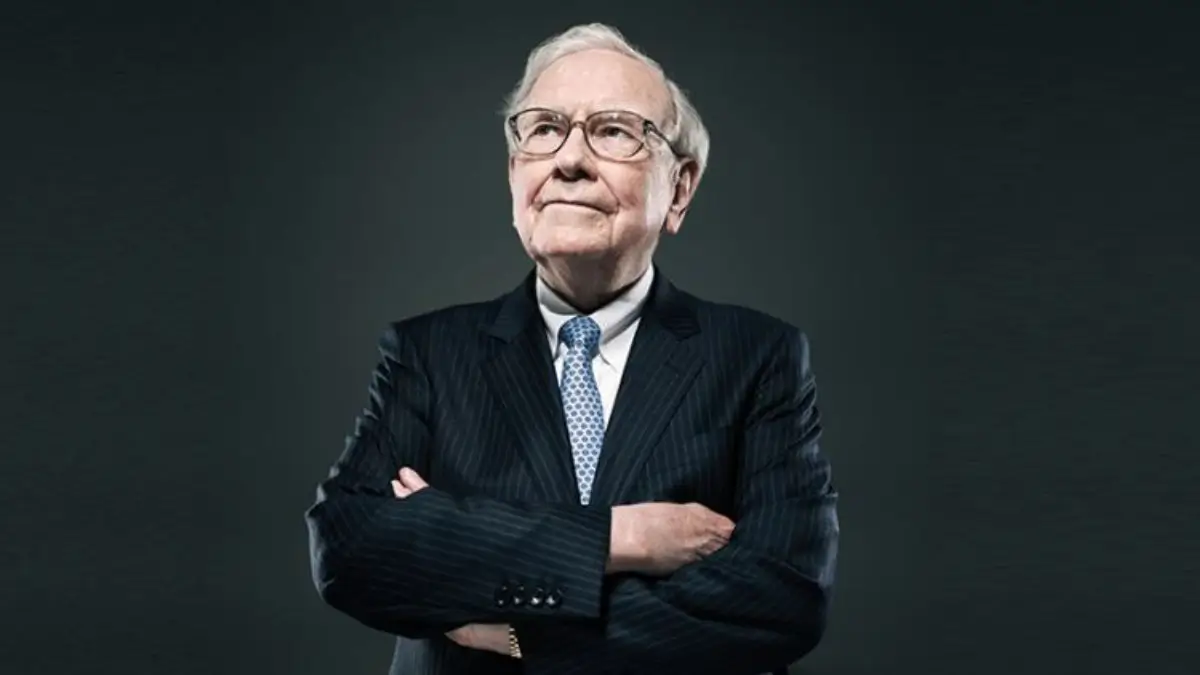
Legendary investor Warren Buffett has officially stepped down as the Chief Executive Officer (CEO) of Berkshire Hathaway, concluding a remarkable tenure of nearly six decades since he first led the company in 1965. At the age of 95, Buffett has handed over the executive reins to Greg Abel, while continuing as Chairman of the Board to ensure a smooth leadership transition and maintain company stability.
Who Is Warren Buffett?
Warren Buffett, often called the “Oracle of Omaha,” is considered one of the most successful investors in history. Under his leadership, Berkshire Hathaway grew from a struggling textile company into a global conglomerate worth over $1 trillion, owning major stakes in companies such as Apple, Coca-Cola, Bank of America, and fully owning businesses like BNSF Railway and GEICO.
Significance of the Leadership Transition
On January 1, 2026, Greg Abel, previously Vice Chairman overseeing non-insurance businesses, officially assumed the role of CEO. Abel, a Canadian business leader with a strong track record within Berkshire’s energy and infrastructure units, was chosen by Buffett as his successor back in 2025. Buffett’s continued role as Chairman reflects confidence in Abel’s leadership and preserves continuity in strategic direction.
Impact on Berkshire Hathaway
Although Buffett has stepped down as CEO, Berkshire Hathaway’s operating model and investment philosophy are expected to remain steady. Buffett’s long-term value investing approach—focused on disciplined capital allocation, decentralized management, and patience—will likely continue under Abel’s leadership. However, markets have shown initial caution: Berkshire’s shares experienced slight dips amid investor sentiment shifts following the transition.
Why Greg Abel?
Greg Abel’s appointment as CEO marks a planned succession. Abel joined Berkshire in 2000 and has led various business sectors, notably in energy and infrastructure. Known for his analytical decision-making and operational expertise, Abel’s leadership is expected to shape the next chapter of Berkshire Hathaway’s growth trajectory while honoring Buffett’s legacy of prudent investing.

Why This News Is Important for Government Exam Aspirants
Relevance in Economy and Business GK
Leadership changes at major multinational corporations like Berkshire Hathaway are significant in both global business and economic current affairs, topics frequently tested in exams such as Banking, Railways, PSC, SSC, and Civil Services.
Buffett’s transition highlights key themes of corporate governance, succession planning, and value investing principles—all crucial for understanding how large conglomerates influence economic trends. His retirement symbolizes the end of an era in global finance and is relevant for competitive exam sections on international business events.
Impact on Global Markets
Berkshire Hathaway’s business decisions affect capital markets, investment flows, and stock performance worldwide. A CEO transition at this scale can influence investor confidence, market strategies, and business policies—knowledge that aids students preparing for banking and financial services exams. Training materials often reference such shifts for topics on global financial leadership and market dynamics.
Strategic Leadership in Economy Sections
For exams like UPSC, State PSCs, and Railway and Defence Services, understanding how leadership transitions occur in major conglomerates provides insights into business continuity, economic resilience, and institutional stability—all part of the broader economy syllabus.
Historical Context: Buffett’s Journey and Berkshire Hathaway’s Rise
Early Days and Transformation
Berkshire Hathaway began as a struggling textile mill in the mid-20th century. Warren Buffett acquired his first shares in 1962 and progressively took control of the company by 1965. Buffett shifted its focus from textiles to insurance and investments, laying the foundation for a diversified conglomerate with a unique decentralized organizational structure.
Evolution into a Corporate Giant
Over the decades, Buffett deployed a disciplined value investing philosophy—buying undervalued companies with strong fundamentals and holding them long-term. This strategy resulted in exponential growth, transforming Berkshire into a conglomerate with interests in insurance, railroads, energy, manufacturing, and consumer brands.
Legacy in Modern Finance
Buffett’s annual shareholder letters and investment decisions became essential study material for investors worldwide. Known for humility and strategic foresight, he influenced generations of business leaders and investors. His retirement marks a historic turning point in corporate leadership and global business narrative.
Key Takeaways from Warren Buffett Steps Down as Berkshire Hathaway CEO
| S.No. | Key Takeaway |
|---|---|
| 1 | Warren Buffett has stepped down as CEO of Berkshire Hathaway after nearly 60 years of leadership. |
| 2 | Greg Abel officially became the CEO starting January 1, 2026. |
| 3 | Buffett will continue as Chairman of the Board, ensuring transition continuity. |
| 4 | Berkshire Hathaway remains a global conglomerate valued at over $1 trillion. |
| 5 | The leadership change impacts investor sentiment and reflects broader market dynamics. |
FAQs: Frequently Asked Questions
1. Who has stepped down as CEO of Berkshire Hathaway?
Warren Buffett, after nearly 60 years of leadership, has stepped down as CEO of Berkshire Hathaway in 2026.
2. Who is the new CEO of Berkshire Hathaway?
Greg Abel officially became the CEO of Berkshire Hathaway starting January 1, 2026.
3. Will Warren Buffett completely leave Berkshire Hathaway?
No, Buffett will continue as Chairman of the Board, ensuring a smooth transition and continuity in company strategy.
4. Why is this leadership change significant?
The transition marks the end of Buffett’s historic leadership era and is significant for global markets, investment trends, and corporate governance.
5. What is Berkshire Hathaway’s current market value?
Berkshire Hathaway is valued at over $1 trillion as a diversified global conglomerate.
6. What is Warren Buffett known for?
Buffett is famous as the “Oracle of Omaha” for his disciplined value investing strategy and long-term capital allocation approach.
7. What areas does Greg Abel specialize in?
Greg Abel has extensive experience in energy, infrastructure, and non-insurance business units within Berkshire Hathaway.
8. How can this news be relevant for government exams?
It is relevant for exams like Banking, UPSC, SSC, Railways, and PSCs under topics like global business events, economic affairs, and corporate leadership.
Some Important Current Affairs Links