






US withdraws from UNESCO 2025: Understand the third U.S. exit, budget impact (8%), ideological reasons, timeline, and exam-focused FAQs & MCQs for UPSC, PSC, banking, railways and defence aspirants.
U.S. Withdraws from UNESCO Again, Two Years After Rejoining
Background of the Decision
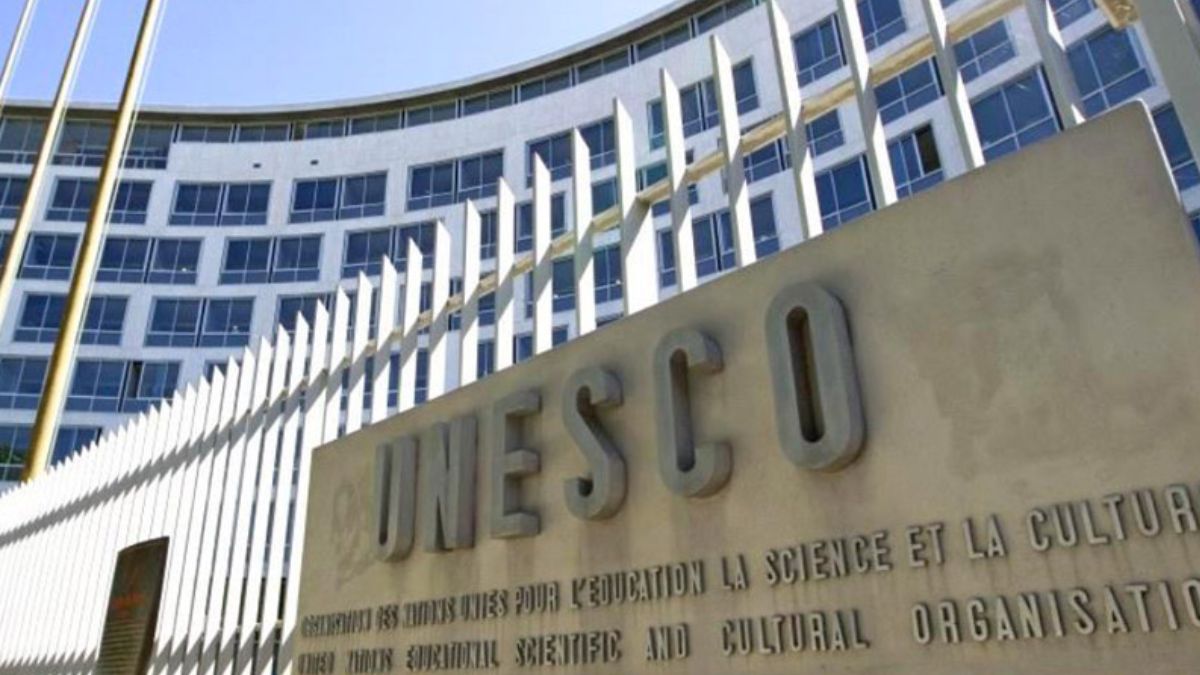
On July 22, 2025, the U.S. State Department announced that the United States will again withdraw from UNESCO—the United Nations Educational, Scientific and Cultural Organization. The withdrawal is set to take effect on December 31, 2026, making this the third time the U.S. has exited the agency since its founding in 1945
Ideological Disputes and the “America First” Policy
The Trump administration cited UNESCO’s support for “woke, divisive cultural and social causes” and its focus on Sustainable Development Goals, which they described as a “globalist, ideological agenda” misaligned with U.S. interests Officials also objected to UNESCO’s admission of Palestine as a member state in 2011, arguing it fosters anti-Israel sentiment
Historical Cycles of Exit and Reentry
The U.S. first withdrew from UNESCO in 1984 under President Ronald Reagan, rejoining in 2003 during George W. Bush’s administration. Trump’s first exit occurred in 2017, and the U.S. reentered in 2023 under President Biden, repaying over $600 million in back dues
Global Reactions and Financial Impacts
UNESCO Director-General Audrey Azoulay expressed regret but emphasized that the organization had anticipated the decision and diversified its funding—U.S. contributions now make up just about 8% of UNESCO’s annual budget—minimizing the financial fallout France reasserted its full support for UNESCO, while China condemned the decision as contrary to responsible global leadership
Implications for International Cooperation
Critics warn that the decision undermines U.S. global leadership. Lawmakers and analysts suggest this move strengthens rivals such as China, which already surpassed the U.S. as UNESCO’s top contributor during Washington’s prior absence Additionally, researchers caution that the exit could weaken initiatives in education, science, heritage preservation, and combating hate speech worldwide
Why This News Is Important
Strategic Significance in Foreign Policy
This withdrawal reflects the U.S. administration’s broader shift toward unilateralism and a reaffirmation of its “America First” doctrine. It signals a move away from multilateral frameworks in which the U.S. previously played a leadership role
Impact on Global Education, Science, and Culture
UNESCO plays an essential role in global efforts for literacy, teacher training, cultural preservation, and science diplomacy. The U.S. exit may significantly weaken joint efforts in education access, AI ethics, biodiversity programs, and Holocaust education—especially in conflict-affected regions and developing countries
Exam Relevance for Government-Sector Aspirants
For aspirants preparing for UPSC, PSC, banking, railways, defence, and teaching competitive exams, understanding geopolitics, U.S.–UN relationships, and multilateral institutions is critical. This news demonstrates how ideological and diplomatic priorities shape international alignments and funding—topics frequently covered in general studies and current affairs sections.
Historical Context
Foundation and Mission of UNESCO
Established in 1945 in the aftermath of World War II, UNESCO’s mission has been to foster peace and prevent conflict through cooperation in education, science, culture, and communication. It oversees over 2,000 World Heritage sites and supports global literacy, academic freedom, and intercultural dialogue
Past U.S. Withdrawals
The U.S. first withdrew in 1984, citing perceived politicization, budget mismanagement, and ideological bias within UNESCO. It rejoined in 2003 after reforms were made. A second exit occurred in 2017 when the Trump administration accused UNESCO of anti-Israel bias and fiscal irresponsibility. The Biden administration reversed that exit in 2023, only for the decision to be reversed again in 2025
Rise and Decline of U.S. Funding Influence
At its peak, the U.S. contributed over 20% of UNESCO’s regular budget and up to 40% in wider UN contexts. Today, its share has dropped to roughly 8%, reducing the impact of its exit and allowing UNESCO more flexibility through diversified funding sources and private contributions
Key Takeaways from “US Withdraws from UNESCO Again”
| S. No. | Key Takeaway |
|---|---|
| 1 | Withdrawal Date: The U.S. exit was announced on 22 July 2025, effective 31 December 2026. |
| 2 | Third Exit: This marks the third time the U.S. has withdrawn from UNESCO—1984, 2017, and now 2025. |
| 3 | Official Reasons: Claimed ideological clashes—UNESCO’s support for “woke” agendas, anti-Israel sentiment, and globalist policies conflicting with “America First”. |
| 4 | Reduced Financial Influence: U.S. now contributes about 8% of UNESCO’s budget—a marked decline from 20–40% previously. |
| 5 | Impact on Multilateralism: Analysts warn reduced U.S. influence may bolster China’s role and weaken collaboration in education, cultural heritage, and science sectors. |
FAQs
1. When did the U.S. announce it would withdraw from UNESCO again?
On 22 July 2025, with the withdrawal slated to take effect on 31 December 2026.
2. How many times has the U.S. left UNESCO so far?
Three times: 1984, 2017, and 2025 (announcement).
3. Why is the U.S. withdrawing this time?
Cited reasons include ideological disagreements, accusations of anti‑Israel bias, and opposition to what the administration calls “globalist” agendas within UNESCO.
4. When did the U.S. most recently rejoin UNESCO before this new exit?
In 2023, after leaving in 2017.
5. What does UNESCO do?
It promotes international cooperation in education, science, culture, and communication, including designating World Heritage Sites, working on AI ethics, literacy, teacher training, and combating hate speech.
6. How much of UNESCO’s budget does the U.S. currently contribute?
Roughly 8% (significantly lower than historical peaks).
7. What is the immediate impact of the U.S. withdrawal on UNESCO?
Financial strain is expected to be limited due to diversified funding, but political influence and leadership balance may shift toward other powers (e.g., China).
8. Can the U.S. rejoin UNESCO again in the future?
Yes. As history shows (2003, 2023), re-entry is possible through political decision and settlement of arrears.
9. How is this relevant for UPSC/PSC/Banking/Railways/Defence/Teaching exams?
It falls under International Relations, Multilateral Institutions, Foreign Policy, Global Governance, and Budgeting of UN agencies—common areas in GS-II/Current Affairs.
10. Who is the Director-General of UNESCO (as of July 2025)?
Audrey Azoulay.
11. What triggered earlier U.S. withdrawals?
Perceived politicization, mismanagement, and anti-Israel bias (1984, 2017).
12. How does Palestine’s 2011 admission to UNESCO matter here?
It has been a consistent flashpoint for U.S. policy, often cited in arguments about anti-Israel bias.
13. What happens to UNESCO programmes in education and culture without U.S. support?
They continue, but some joint initiatives and funded projects could slow or be reshaped by other donors.
14. Which UN body is UNESCO?
A specialized agency of the United Nations.
15. What should students track going forward?
(1) Budgetary adjustments at UNESCO, (2) China/EU role expansion, (3) U.S. multilateral posture in other UN bodies, and (4) impacts on AI ethics and heritage conservation initiatives.
Some Important Current Affairs Links