









US government shutdown 2025 ends after 42 days, resolving the longest federal funding crisis. Learn about ACA subsidies, bipartisan vote, and economic impact for competitive exams.
US Ends Longest‑Ever Government Shutdown After 42 Days
A Brief Overview of the Development
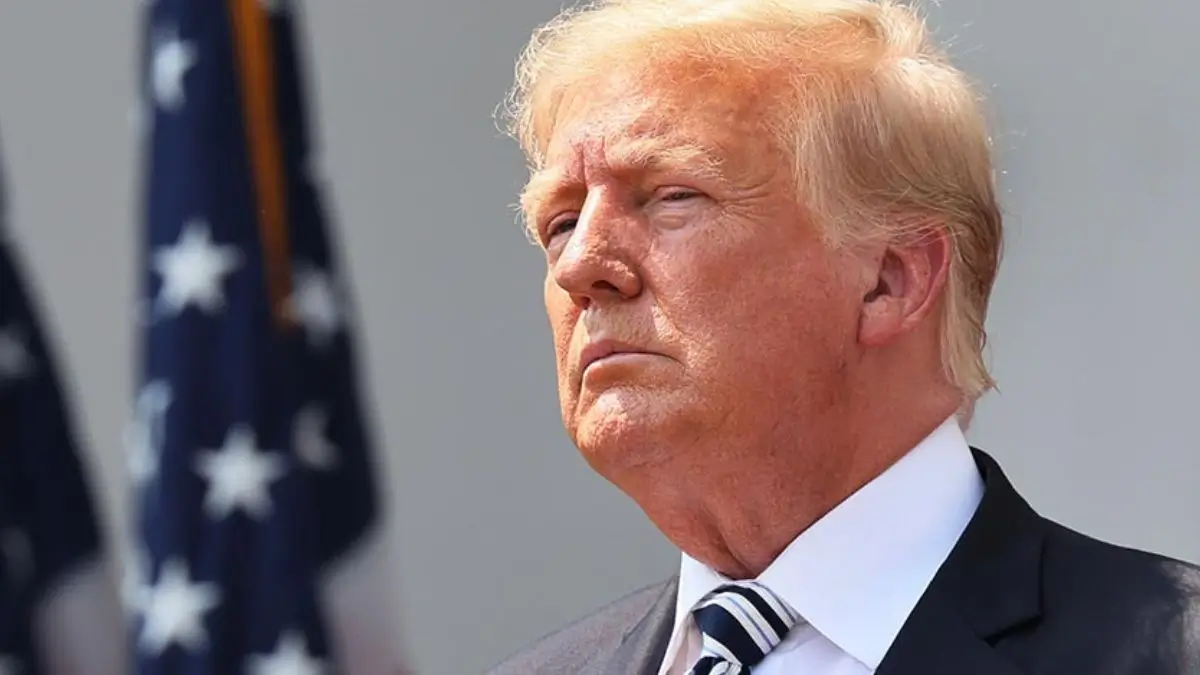
In a significant turn of events, the Donald Trump administration saw the end of the longest government shutdown in U.S. history, lasting 42 days.On November 14, 2025, Congress approved a temporary funding bill which the President signed, thus restoring operations of federal agencies that had been largely suspended.
Why the Shutdown Happened
The shutdown originated from a deep‑seated political clash between the Republican‑led House and Senate and the Democratic minority, centring largely on extensions of health insurance subsidies under the Affordable Care Act (ACA). The Democrats insisted that the continuing resolution include provisions to extend healthcare subsidies, while Republicans refused to accede, leading to the deadlock.
How the Gridlock Was Broken
Legislatively, the U.S. Senate requires 60 votes to advance most bills. Although Republicans had a majority, they lacked the super‑majority needed to bypass filibusters The stalemate ended when eight Democratic senators crossed party lines to support the funding bill—an uncommon bipartisan move. With that vote secured, the House and Senate passed the resolution, and the President signed it into law.
Impact of the Shutdown
The 42‑day lapse in funding caused widespread disruptions across federal services: hundreds of thousands of federal employees were either furloughed or worked without pay, visa and passport services and IRS functions were delayed, and national parks and other agencies remained partially closed. The economic consequences were also considerable, including lost consumer confidence and delays in public projects.
What Happens Next?
Although the immediate funding crisis is resolved, this is only a temporary stop‑gap measure. Major policy issues remain unresolved: long‑term healthcare funding, immigration reform, the national debt ceiling, and broader fiscal negotiations still lie ahead. The risk remains of another shutdown if a full‑year budget agreement is not reached soon.

Why This News Is Important
Relevance for Government Exams
For aspirants preparing for teaching, police, banking, railways, defence and civil‑service roles (such as Union Public Service Commission examinations), this news is critically relevant under the “Current Affairs” section. It showcases how legislative processes and budgetary politics in a major world economy (the U.S.) can affect governance and services. Understanding such events strengthens one’s awareness of international political systems—a common feature in general studies papers.
Governance & Public Administration Insight
The shutdown illustrates how budgetary impasses can paralyse government functioning. For candidates aiming at roles in public administration, policing or civil services, this provides a real‑world example of the interplay between legislative authority, executive decision‑making and service delivery. It underlines the importance of continuous funding and how political deadlock can impair governance.
Economic & International Dimensions
During a shutdown, the ripple effects extend into economic performance, international bureaucracy (such as visa delays), and global perceptions of political stability. For banking, railways, defence or teaching roles with an international or macro‑economic component, this story emphasises the interconnectedness of domestic politics and global operations.
Historical Context
Previous U.S. Government Shutdowns
Government shutdowns in the United States occur when Congress fails to pass appropriation bills or continuing resolutions, and funding lapses. There have been several previous shutdowns; however, the 42‑day shutdown in 2025 sets a new record‑length.
The Affordable Care Act (ACA) and Political Divide
The ACA, often referred to as “Obamacare”, was introduced under the Barack Obama administration to expand health‑insurance access. Over the years, it has been a point of contention between Republicans and Democrats. The 2025 shutdown was triggered because Democrats demanded inclusion of ACA subsidy extensions in the spending bill, Republicans resisted, leading to the standoff.
Budgetary Process in the U.S.
In the U.S., the budgetary process involves the President proposing budgets, Congress approving appropriation bills, and funding continuity maintained via continuing resolutions if full budgets are delayed. The requirement of 60 votes in the Senate to advance many bills means minority parties can exert significant leverage. The bipartisan vote by eight Democratic senators in 2025 marked a deviation from typical party‑line behaviour.
Key Takeaways from “US Government Shutdown Ends”
| S. No. | Key Takeaway |
|---|---|
| 1 | The U.S. government entered a shutdown of 42 days, the longest in its history. |
| 2 | The shutdown was caused by a political stalemate over inclusion of ACA health‑insurance subsidies in the appropriations bill. |
| 3 | A temporary funding bill was passed by Congress and signed by the President to end the shutdown. |
| 4 | The change occurred after eight Democratic senators crossed party lines to support the legislation. |
| 5 | While the immediate shutdown is over, major issues such as healthcare funding, immigration reform, and the debt ceiling remain unresolved—raising the possibility of future shutdowns. |
FAQs on US Government Shutdown
1. What caused the longest U.S. government shutdown?
The shutdown occurred due to a political deadlock between Republicans and Democrats over the inclusion of Affordable Care Act (ACA) health‑insurance subsidies in the federal budget.
2. How long did the 2025 shutdown last?
The government shutdown lasted 42 days, making it the longest in U.S. history.
3. How was the shutdown resolved?
The shutdown ended after Congress passed a temporary funding bill, which was signed into law by the President. Eight Democratic senators crossed party lines to support the resolution, allowing its passage.
4. Which sectors were most affected by the shutdown?
Federal employees faced furloughs or unpaid work, national parks and public services were closed or delayed, visa and passport processing slowed, and economic projects were temporarily halted.
5. Is the U.S. government now fully funded?
The temporary funding bill restored operations temporarily. Long-term funding, healthcare subsidies, immigration reform, and the national debt ceiling remain pending issues.
6. What is the relevance of this news for competitive exams?
This news highlights international political processes, government administration, and economic impact, which are often tested in exams like UPSC, SSC, banking, defence, and teaching recruitment.
Some Important Current Affairs Links