









Sheikh Naim Qassem: Hezbollah’s New Chief Amid Rising Tensions
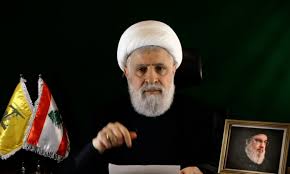
In a significant development within the Middle East political landscape, Hezbollah has appointed Sheikh Naim Qassem as its new chief following the passing of its long-time leader, Hassan Nasrallah. This appointment comes at a critical time when the organization faces increased tensions with Israel and domestic challenges in Lebanon. Qassem’s leadership is expected to influence Hezbollah’s strategies and alliances in the region, particularly in light of ongoing conflicts and shifting political dynamics.
Sheikh Naim Qassem: The Man Behind the Leadership
Sheikh Naim Qassem, who previously served as Hezbollah’s deputy leader, has been a prominent figure in the organization since its inception. Known for his strong ideological commitment to the group’s objectives, Qassem has played a pivotal role in shaping Hezbollah’s military and political strategies. His elevation to the chief position signals a continuity of Hezbollah’s longstanding policies while also hinting at potential shifts in tactics as the group navigates the complexities of regional politics.
Increased Tensions and Regional Implications
Hezbollah’s emergence under Qassem’s leadership occurs against a backdrop of heightened tensions between Israel and militant groups in the region. Recent escalations, including border skirmishes and military confrontations, have raised concerns about a broader conflict. Qassem’s experience and understanding of the geopolitical landscape will be crucial as Hezbollah seeks to maintain its influence and respond to threats. Observers are closely monitoring how his leadership will affect the delicate balance of power in Lebanon and the surrounding areas.
Domestic Challenges in Lebanon
Apart from external pressures, Qassem inherits significant domestic challenges. Lebanon is grappling with a dire economic crisis, exacerbated by political instability and corruption. As Hezbollah’s leader, Qassem will need to address these issues while managing the group’s armed wing and political presence in the Lebanese government. His ability to navigate these dual roles will be critical for the organization’s future and its standing among Lebanese citizens.
The Role of Iran in Hezbollah’s Future
Another key factor influencing Hezbollah under Qassem’s leadership is the group’s relationship with Iran. Hezbollah has long been seen as an ally of Iran, receiving substantial military and financial support. Qassem’s leadership may further solidify this alliance as both entities confront shared adversaries. The implications of this relationship extend beyond Lebanon, impacting the broader Middle Eastern geopolitical landscape.
Why This News is Important
Shaping Regional Dynamics
The appointment of Sheikh Naim Qassem as Hezbollah’s new chief is pivotal in understanding the evolving dynamics of the Middle East. His leadership may significantly influence Hezbollah’s response to external threats, particularly from Israel, and could lead to shifts in military strategies and alliances.
Lebanon’s Political Landscape
Qassem’s rise to power also impacts Lebanon’s internal political situation. As the country faces severe economic difficulties, his leadership will be scrutinized for its effectiveness in addressing these challenges while maintaining Hezbollah’s military capabilities.
Impact on Israel-Hezbollah Relations
The tensions between Israel and Hezbollah have historically been fraught with conflict. With Qassem at the helm, the potential for escalations in military engagement raises critical questions about regional security and the possibility of a broader conflict.
International Reactions
The international community, particularly Western nations and neighboring Arab countries, will closely monitor Qassem’s leadership. His actions could provoke various diplomatic responses, impacting international relations and strategies in the region.
Future of Hezbollah
Qassem’s leadership marks a new chapter for Hezbollah, with implications for its internal cohesion and strategic direction. Understanding his vision and approach will be crucial for predicting the group’s future actions and their impact on regional stability.
Historical Context
The Formation of Hezbollah
Hezbollah, a Shiite militant group, was established in the early 1980s during the Lebanese Civil War, primarily as a response to the Israeli invasion of Lebanon. With support from Iran, it aimed to resist foreign intervention and advocate for the rights of the Shiite community in Lebanon.
Leadership Transition
Hassan Nasrallah, who led Hezbollah since 1992, was instrumental in transforming the organization from a local militia into a significant political and military force. His tenure was marked by several conflicts with Israel, including the 2006 Lebanon War, which solidified Hezbollah’s reputation as a formidable opponent.
Qassem’s Role in Hezbollah
Sheikh Naim Qassem joined Hezbollah’s ranks in its early days and has been a key figure in its strategic decisions. His close ties with Nasrallah and involvement in military operations have prepared him for the leadership role amid a challenging landscape.
Key Takeaways from Sheikh Naim Qassem’s Appointment
| S.No | Key Takeaway |
|---|---|
| 1 | Sheikh Naim Qassem is appointed as the new chief of Hezbollah. |
| 2 | His leadership comes during heightened tensions with Israel. |
| 3 | Qassem faces significant domestic challenges in economically troubled Lebanon. |
| 4 | Hezbollah’s relationship with Iran is crucial for its future strategies. |
| 5 | Qassem’s actions will be closely monitored by the international community. |
Important FAQs for Students from this News
1. Who is Sheikh Naim Qassem?
Sheikh Naim Qassem is the newly appointed chief of Hezbollah, having previously served as the deputy leader. He is known for his significant role in shaping the group’s military and political strategies.
2. What does Qassem’s leadership mean for Hezbollah?
Qassem’s leadership signifies continuity in Hezbollah’s policies while potentially introducing shifts in tactics, particularly in response to external threats and internal challenges in Lebanon.
3. What challenges does Hezbollah face under Qassem?
Hezbollah faces increased tensions with Israel and significant domestic challenges, including Lebanon’s ongoing economic crisis and political instability.
4. How does Iran influence Hezbollah?
Hezbollah has a longstanding alliance with Iran, which provides substantial military and financial support. This relationship is crucial for Hezbollah’s strategic decisions and operations.
5. Why is this news significant for the region?
The appointment of Qassem could influence the dynamics of the Middle East, particularly regarding Israel-Hezbollah relations, internal Lebanese politics, and international reactions.
Some Important Current Affairs Links