










Seven Wonders of the World
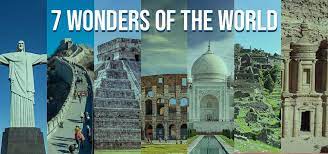
The Seven Wonders of the World have always fascinated people from all walks of life. These architectural marvels have captivated our imagination and stood the test of time. In this article, we will explore the significance and historical context of these wonders and discuss why they are important for students preparing for government exams.
Why This News Is Important:
Cultural and Historical Significance Studying the Seven Wonders of the World provides students with a glimpse into the cultural, historical, and architectural achievements of ancient civilizations. It broadens their understanding of diverse cultures and enhances their knowledge of world history.
Relevance to Government Exams For students preparing for government exams, having knowledge about the Seven Wonders of the World is crucial. Questions related to these wonders frequently appear in various exams, such as civil service, banking, and defense positions. A comprehensive understanding of these wonders can give candidates an edge in their exams.
Historical Context:
Ancient Civilizations and Architectural Marvels
The Seven Wonders of the World date back to different ancient civilizations, including Egypt, Greece, and Babylon. Exploring the historical context of each wonder helps students comprehend the socio-cultural and technological advancements of these civilizations.
Key Takeaways from “Seven Wonders of the World”:
| Serial Number | Key Takeaway |
|---|---|
| 1 | The Great Pyramid of Giza is the oldest and largest pyramid in the world. |
| 2 | The Hanging Gardens of Babylon represent the opulence of the ancient Babylonian empire. |
| 3 | The Statue of Zeus at Olympia exemplifies the artistic excellence of ancient Greece. |
| 4 | The Mausoleum at Halicarnassus showcases intricate sculptures and funerary customs. |
| 5 | The Lighthouse of Alexandria played a crucial role in facilitating trade and navigation. |
Important FAQs for Students from this News
Q: Are the Seven Wonders of the World the same as the New Seven Wonders of the World?
A: No, they are not the same. The New Seven Wonders of the World is a contemporary list that was created through a global poll, while the original Seven Wonders of the World are ancient structures.
Q: How many of the original Seven Wonders of the World still exist today?
A: Only one of the original Seven Wonders of the World, the Great Pyramid of Giza, still exists today.
Q: Why are the Seven Wonders of the World significant for government exams?
A: Knowledge about the Seven Wonders of the World is often tested in government exams, particularly in subjects like history, culture, and heritage. Being familiar with these wonders can help candidates answer related questions correctly.
Q: Are there any modern structures considered wonders of the world?
A: Yes, the New Seven Wonders of the World include modern structures such as the Great Wall of China, Petra in Jordan, and Christ the Redeemer in Brazil.
Q: How can I remember the Seven Wonders of the World for my exams?
A: It can be helpful to create mnemonic devices or associations to remember the names and locations of the wonders. Visual aids, such as maps and pictures, can also aid in memorization.
Some Important Current Affairs Links