







Saudi Pakistan Defence Pact 2025 formalizes a Strategic Mutual Defense Agreement, enhancing regional security, military cooperation, and reshaping Middle East geopolitics.
Saudi Arabia–Pakistan Defence Pact: Strengthening Strategic Ties
Introduction
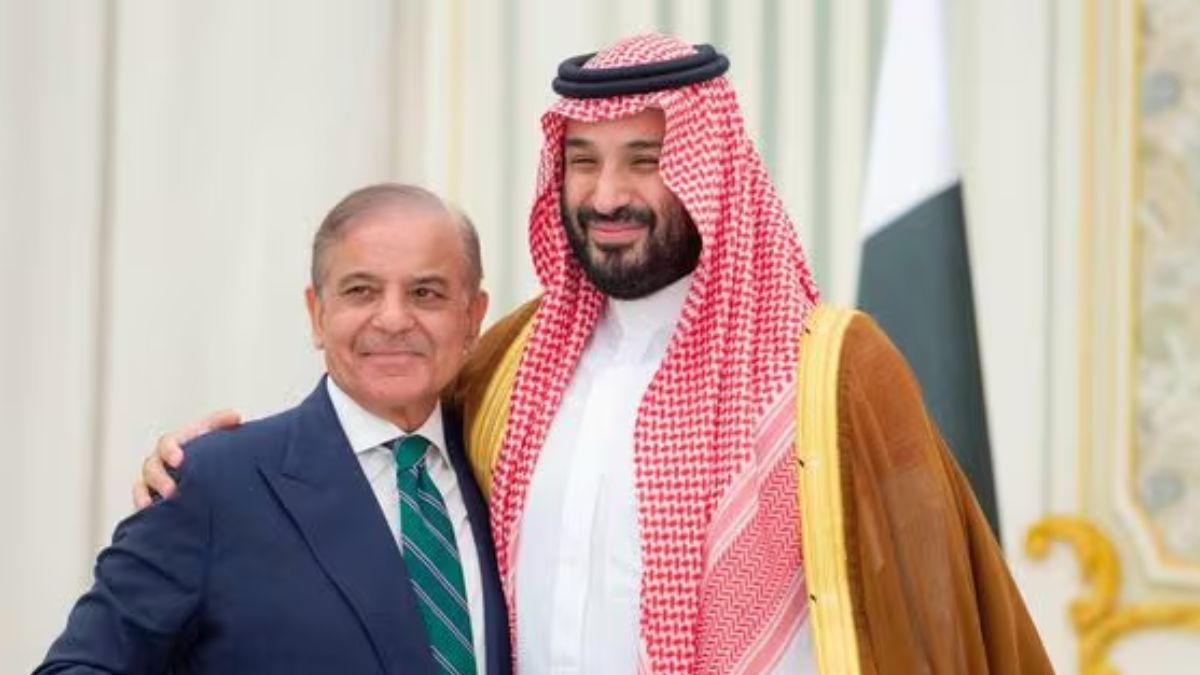
On September 17, 2025, Saudi Arabia and Pakistan formalized a significant military alliance by signing the Strategic Mutual Defense Agreement (SMDA) in Riyadh. This pact marks a pivotal moment in the longstanding defense partnership between the two nations.
Key Provisions of the Agreement
The SMDA stipulates that any act of aggression against either country will be considered an act against both, thereby committing them to mutual defense. This comprehensive agreement encompasses all military means, signaling a deepened security cooperation.
Strategic Implications
The timing of the agreement is notable, coming amidst heightened regional tensions, including Israel’s recent strikes on Qatar. The pact reflects a shared commitment to regional stability and a mutual interest in countering external threats.
Broader Regional Impact
Analysts suggest that the SMDA could alter the security dynamics of the Middle East, potentially influencing the balance of power and prompting other nations to reassess their defense strategies.

Why This News is Important
Enhanced Bilateral Relations
The SMDA signifies a deepening of Saudi-Pakistani relations, moving beyond economic ties to a robust military partnership. This alignment could lead to increased cooperation in defense technology, joint military exercises, and intelligence sharing.
Regional Security Dynamics
The agreement may shift the security landscape of the Middle East, with Pakistan’s military capabilities potentially serving as a deterrent against regional adversaries. This development could influence the strategic calculations of neighboring countries and global powers with interests in the region.
Implications for Global Alliances
The SMDA underscores the evolving nature of global alliances, where nations seek to diversify their security partnerships in response to perceived uncertainties in traditional alliances. This trend could lead to a reevaluation of existing defense pacts and alliances worldwide.
Historical Context
Early Military Cooperation
Saudi Arabia and Pakistan have shared military ties since the 1960s, with Pakistan providing training and expertise to Saudi forces. Over the decades, this cooperation has expanded to include joint military exercises and defense collaborations.
Strategic Shifts in the 21st Century
In recent years, both nations have faced evolving security challenges, prompting a reevaluation of their defense strategies. The SMDA represents a strategic shift towards a more formalized and comprehensive defense partnership, reflecting their mutual interests in regional stability and security.
Key Takeaways from the Saudi-Pakistan Defence Pact
| S.No | Key Takeaway |
|---|---|
| 1. | The SMDA commits both nations to mutual defense, treating any act of aggression against one as an act against both. |
| 2. | The agreement encompasses all military means, signaling a comprehensive defense partnership. |
| 3. | The pact reflects a shared commitment to regional stability amidst heightened tensions in the Middle East. |
| 4. | The SMDA may alter the security dynamics of the region, influencing the strategic calculations of neighboring countries. |
| 5. | The agreement underscores the evolving nature of global alliances, with nations seeking to diversify their security partnerships. |
FAQs: Frequently Asked Questions
1. What is the Saudi Arabia–Pakistan Defence Pact?
The pact, officially called the Strategic Mutual Defense Agreement (SMDA), is a military alliance between Saudi Arabia and Pakistan where an act of aggression against one country is considered an act against both, ensuring mutual defense support.
2. When was the SMDA signed?
The agreement was signed on 17th September 2025 in Riyadh, Saudi Arabia.
3. What are the key provisions of the pact?
The SMDA commits both nations to mutual defense, covering all military means. It also aims at joint military exercises, intelligence sharing, and defense technology cooperation.
4. Why is this pact significant for regional security?
It enhances the security balance in the Middle East, potentially deterring adversaries and influencing neighboring countries’ strategic decisions.
5. How does this affect global alliances?
The pact reflects a trend where countries diversify their security partnerships, possibly reshaping traditional alliances and global defense dynamics.
6. Have Saudi Arabia and Pakistan collaborated militarily before?
Yes, their military cooperation dates back to the 1960s, including training, joint exercises, and defense collaborations.
7. What is the strategic importance of Pakistan in this pact?
Pakistan brings military capabilities, including a nuclear arsenal, strengthening Saudi Arabia’s security stance and deterrence in the region.
8. Could this pact influence conflicts in the Middle East?
Yes, the SMDA could affect regional tensions and act as a counterbalance amid crises such as Israel-Qatar hostilities.
9. Who benefits most from this pact?
Both countries benefit strategically: Saudi Arabia gains military support, while Pakistan strengthens geopolitical ties and defense cooperation.
10. How should students preparing for exams view this news?
It’s vital for understanding current international relations, defense alliances, and regional security trends, important for exams like UPSC, SSC, Banking, and Defence Services.
Some Important Current Affairs Links