









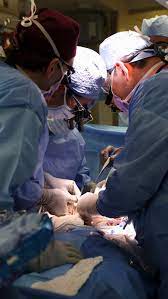
US Surgeons Perform First Pig-to-Human Kidney Transplant
In a groundbreaking medical achievement, surgeons in the United States have successfully conducted the first-ever kidney transplant from a pig to a human recipient. This landmark surgery opens up new possibilities in organ transplantation and offers hope to thousands of patients awaiting life-saving transplants worldwide.
The procedure, performed at the University of Alabama at Birmingham Hospital, marks a significant advancement in xenotransplantation, the process of transplanting organs or tissues between different species. The recipient, a brain-dead patient, received the genetically modified pig kidney in a pioneering effort to address the shortage of human organs for transplantation.
The success of this surgery brings immense potential for addressing the critical shortage of donor organs, particularly kidneys, which are in high demand globally. With millions of individuals on waiting lists for organ transplants, innovations in xenotransplantation offer a ray of hope for those in need of life-saving procedures.
This groundbreaking achievement underscores the importance of ongoing research and development in the field of medical science. It highlights the collaborative efforts of scientists, surgeons, and researchers working tirelessly to push the boundaries of medical innovation and improve patient outcomes.
As the medical community continues to explore the possibilities of xenotransplantation, ethical considerations and regulatory frameworks will play a crucial role in guiding future developments. While the success of this pig-to-human kidney transplant marks a significant milestone, further studies and clinical trials will be necessary to ensure the safety and efficacy of such procedures.
In conclusion, the first pig-to-human kidney transplant represents a remarkable feat in the field of organ transplantation. It offers hope to patients in need of life-saving treatments and paves the way for future advancements in medical science.

Why this News is Important
Groundbreaking Advancement in Transplantation
The successful pig-to-human kidney transplant conducted by surgeons in the United States signifies a monumental breakthrough in the field of organ transplantation. This pioneering procedure holds immense significance for several reasons.
Addressing Organ Shortage Crisis:
The chronic shortage of human organs for transplantation has been a pressing issue globally. Thousands of patients languish on waiting lists, hoping for a suitable donor match. The ability to transplant organs from genetically modified pigs to humans opens up new avenues for addressing this critical shortage and saving countless lives.
Potential for Life-Saving Treatments:
The success of this surgery offers hope to patients suffering from end-stage organ failure, particularly kidney disease. With xenotransplantation emerging as a viable option, individuals in need of organ transplants may soon have access to life-saving treatments that were previously unavailable.
Historical Context
Advancements in Xenotransplantation:
Xenotransplantation, the process of transplanting organs or tissues from one species to another, has been an area of ongoing research and development in the field of medical science. Over the years, scientists have made significant strides in overcoming the immunological barriers and compatibility issues associated with cross-species organ transplantation.
Regulatory Challenges and Ethical Considerations:
The pursuit of xenotransplantation has been accompanied by ethical dilemmas and regulatory challenges. Concerns regarding the risk of disease transmission, organ rejection, and the welfare of animals used in research have prompted rigorous oversight and scrutiny from regulatory bodies and ethical committees.
5 Key Takeaways
| Serial Number | Key Takeaway |
|---|---|
| 1. | Groundbreaking success: First pig-to-human kidney transplant conducted successfully. |
| 2. | Potential solution: Offers hope for addressing the critical shortage of human organs for transplantation. |
| 3. | Medical innovation: Highlights the progress in xenotransplantation and its implications for future treatments. |
| 4. | Ethical considerations: Raises questions about regulatory frameworks and ethical guidelines governing organ transplantation. |
| 5. | Future implications: Sets the stage for further research and development in the field of organ transplantation and xenotransplantation. |
Important FAQs for Students from this News
1. What is xenotransplantation?
A: Xenotransplantation is the process of transplanting organs or tissues from one species to another, typically from animals to humans.
2. How does the success of pig-to-human kidney transplant impact organ donation?
A: The success of pig-to-human kidney transplant offers hope for addressing the critical shortage of human organs for transplantation, potentially reducing dependency on human donors.
3. Are there any ethical concerns associated with xenotransplantation?
A: Yes, ethical considerations include animal welfare, risk of disease transmission, and ensuring patient safety. Regulatory frameworks are in place to address these concerns.
4. What challenges need to be overcome in xenotransplantation?
A: Challenges include organ rejection, immunological barriers, and ensuring long-term viability and function of transplanted organs in recipients.
5. How can xenotransplantation impact the future of medical treatments?
A: Xenotransplantation holds promise for providing life-saving treatments to patients with organ failure, paving the way for advancements in medical science and healthcare.
Some Important Current Affairs Links