



Philippines energy emergency 2026 explained in detail, covering Iran conflict impact, global oil crisis, Strait of Hormuz disruption, and exam-focused key facts.
Philippines Declares Energy Emergency Amid Iran Conflict: Fuel Crisis Explained
Introduction to the Energy Emergency in the Philippines
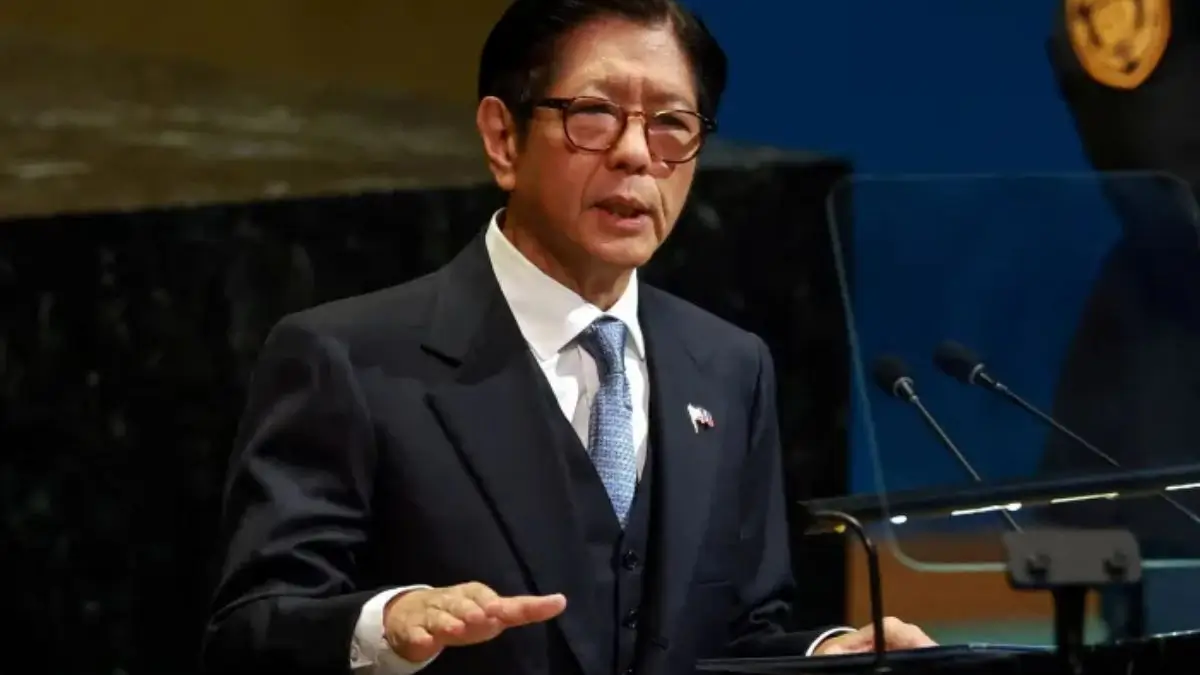
The Philippines has declared a national energy emergency following disruptions caused by the ongoing Iran-related conflict in West Asia. President Ferdinand Marcos Jr. announced this critical move due to the “imminent danger” to the country’s fuel supply.
This decision highlights how geopolitical tensions in distant regions can directly affect energy-dependent nations like the Philippines. The country relies heavily on imported oil, making it extremely vulnerable to global supply shocks and rising fuel prices.
Reasons Behind the Energy Emergency Declaration
The primary reason for the declaration is the disruption in global oil supply chains caused by the Iran conflict. A major factor is the instability in the Strait of Hormuz, a crucial global oil transit route.
The Philippines imports nearly 98% of its oil, most of which comes from the Middle East. This dependency has left the country exposed to sudden supply shortages. Reports suggest that the Philippines had only around 40–45 days of fuel reserves, raising serious concerns about energy security.
Additionally, global oil prices have surged due to the conflict, increasing the cost burden on consumers and industries.
Government Measures to Address the Crisis
To tackle the crisis, the Philippine government has taken several immediate steps:
- Formation of a special crisis management committee to ensure smooth supply and distribution of fuel and essential goods.
- Empowering authorities to procure petroleum products quickly, including advance payments for securing supply.
- Efforts to secure additional oil reserves, including plans to acquire around one million barrels.
- Strict action against hoarding and profiteering in fuel markets.
The government has also implemented temporary relief measures such as subsidies for transport workers and free public transport in some areas.
Impact on Economy and Daily Life
The energy crisis has already started affecting everyday life in the Philippines. Rising fuel prices have triggered transport strikes and protests, reflecting public dissatisfaction.
Electricity prices have surged significantly, forcing the government to intervene in the power market. Businesses, airlines, and industries are facing increased operational costs, while inflation risks are rising.
Additionally, disruptions in global supply chains have affected not only fuel but also essential commodities like food and fertilizers.
Global Context: Iran Conflict and Energy Markets
The ongoing Iran conflict has created one of the biggest disruptions in global energy markets in recent history. The closure or instability in the Strait of Hormuz has affected nearly 20% of global oil supply, making it a critical chokepoint.
The International Energy Agency has described the situation as one of the largest supply disruptions ever, with long-term impacts on global prices and economic stability.
Countries across Asia, including India and the Philippines, are among the most affected due to their dependence on imported fuel.

Why This News is Important
Relevance for Competitive Exams
This news is highly important for students preparing for government exams such as UPSC, SSC, Banking, Railways, Defence, and State PCS. It connects multiple syllabus areas including international relations, economy, and geography.
Understanding how the Iran conflict impacts global oil supply helps candidates analyze the interdependence between geopolitics and economic stability.
Impact on Global Economy
The energy emergency highlights the vulnerability of fuel-importing nations. Rising oil prices can lead to inflation, currency depreciation, and economic slowdown, which are key concepts in economics sections of exams.
This event also demonstrates how global crises can trigger domestic policy decisions like subsidies, emergency declarations, and market interventions.
Strategic Importance of Energy Security
Energy security is a crucial topic in current affairs. This case shows the importance of diversifying energy sources and investing in renewable energy.
For exams, students should understand concepts like strategic reserves, supply chains, and energy diplomacy, which are frequently asked in both prelims and mains.
Historical Context: Background of Energy Crises
Past Energy Crises and Lessons
Global energy crises are not new. The 1970s oil crisis was one of the first major disruptions, caused by geopolitical tensions in the Middle East.
Similar to the current situation, it led to high inflation, fuel shortages, and economic instability worldwide.
Strait of Hormuz Significance
The Strait of Hormuz has historically been a critical point for global oil transportation. Any disruption in this region has immediate global consequences.
In 2026, the Iran conflict once again demonstrated how fragile global energy systems are when dependent on limited transit routes.
Philippines’ Energy Dependency
The Philippines has long relied on imported oil, making it vulnerable to global price fluctuations. Over the years, the country has attempted to diversify energy sources, but dependence on imports remains high.
This crisis reinforces the need for long-term energy reforms and renewable investments.
Key Takeaways from This News
| S.No | Key Takeaway |
|---|---|
| 1 | Philippines declared a national energy emergency due to Iran conflict-related fuel disruptions |
| 2 | Heavy dependence on imported oil (around 98%) makes the country highly vulnerable |
| 3 | Strait of Hormuz disruption impacts nearly 20% of global oil supply |
| 4 | Government introduced emergency measures like fuel procurement and subsidies |
| 5 | The crisis highlights the importance of energy security and global interdependence |
FAQs: Frequently Asked Questions
1. Why did the Philippines declare an energy emergency?
The Philippines declared an energy emergency due to disruptions in global oil supply caused by the Iran conflict, which threatened its fuel availability and increased prices.
2. What is the significance of the Strait of Hormuz in this crisis?
The Strait of Hormuz is a crucial global oil route through which nearly 20% of the world’s oil passes. Any disruption here directly impacts global energy supply.
3. How dependent is the Philippines on imported oil?
The Philippines imports around 95–98% of its oil, making it highly vulnerable to international supply shocks and geopolitical conflicts.
4. What measures has the Philippine government taken?
The government has taken steps like forming a crisis committee, procuring emergency fuel supplies, preventing hoarding, and providing subsidies to affected sectors.
5. How does this crisis affect the global economy?
The crisis leads to rising oil prices, inflation, increased transportation costs, and potential economic slowdown in oil-importing countries.
6. Which sectors are most affected by the fuel crisis?
Transport, aviation, agriculture, and manufacturing sectors are the most affected due to their heavy reliance on fuel.
7. Why is energy security important for exams?
Energy security is a key topic in economics, geography, and international relations, frequently asked in UPSC, SSC, and State PCS exams.
8. What long-term solutions can countries adopt?
Countries can invest in renewable energy, diversify import sources, and maintain strategic petroleum reserves.
Some Important Current Affairs Links