




Operation Ghazab lil Haq Pakistan Afghanistan conflict 2026 explained with causes, geopolitical impact, Durand Line dispute, international reactions and key takeaways for UPSC, PSC and defence exams.
Operation Ghazab lil Haq: Pakistan Declares ‘Open War’ After Strikes on Afghanistan
Introduction to the Conflict Escalation
Pakistan has declared an “open war” against Afghanistan in response to escalating cross-border hostilities and militant attacks. The conflict, which rapidly intensified in late February 2026, saw Pakistan initiate a major military offense named Operation Ghazab lil Haq — loosely translated as “Wrath for Justice.” The operation began after Pakistani authorities accused the Afghan Taliban of unprovoked firing along the Pakistan-Afghanistan border, particularly in northern sectors such as Khyber, Mohmand, Kurram, Bajaur and Chitral.
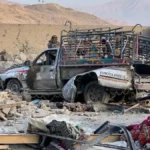
The Pakistani government justified its decision as a necessary defensive measure to “neutralize terrorism” and protect national sovereignty. According to officials, Pakistan conducted coordinated airstrikes on Taliban targets in key Afghan provinces — including Kabul, Kandahar, and Paktia — hitting military installations, ammunition depots, and supply lines.
Causes of the Operation
The operation was triggered by weeks of heightened tensions along the 1,600-mile Durand Line, the disputed and porous border between Pakistan and Afghanistan. Islamabad accused the Taliban government in Kabul of providing safe havens to militant groups, such as the Tehreek-e-Taliban Pakistan (TTP) and the Islamic State Khorasan (ISKP), allowing them to launch attacks inside Pakistan. Kabul has repeatedly denied these charges, calling the accusations baseless and alleging violations of Afghan sovereignty by Pakistani forces.
Military Actions and Claims
According to Pakistan’s Information Minister, Federal Minister Attaullah Tarar, the ongoing operation has inflicted heavy casualties and significant losses on the Afghan Taliban regime. As of March 3, Pakistani authorities claim that over 464 Taliban fighters have been killed, more than 188 Taliban check posts destroyed, and 31 posts captured. The military also reports destroying tanks, armored vehicles and artillery, with 56 strategic locations inside Afghanistan targeted through aerial strikes.
International Diplomatic Reactions
The rapid escalation has raised immediate regional and global concern. Nations such as Turkey, Qatar, Russia, Iran and members of the United Nations have called for diplomatic engagement to prevent wider instability. Turkish President Recep Tayyip Erdogan offered to help revive a ceasefire through mediation talks, though Kabul has not yet accepted this offer.
Impact on Border Area Civilians and Trade
The war has further worsened life for civilians living along the Afghanistan-Pakistan border. Many have been displaced, border crossings remain closed, and trade and commerce have ground to a halt. Temporary closures of public institutions — including schools — have been reported in tribal districts like Bajaur due to security concerns.

Why This News is Important for Exams
Relevance to International Relations & Security Studies
The Pakistan-Afghanistan conflict is a major diplomatic and security concern in South Asia, impacting regional peace, counter-terrorism strategies, and geopolitical dynamics. Understanding this issue is vital for subjects such as International Relations, Polity, Security Studies & World History in UPSC, PSC, and other exams.
The escalation into an open war condition represents a significant departure from periodic border skirmishes. It challenges long-term ceasefire processes and exposes the limitations of regional diplomacy in conflict resolution, particularly when complicated by accusations of cross-border terrorism support.
This conflict also highlights the complex interplay between state sovereignty, militant non-state actors, and international law, all critical themes in government exam syllabi. Questions related to border disputes, counter-terrorism, and diplomatic negotiations could be asked in current affairs or general studies sections.
Moreover, the involvement of global actors — including Turkey’s mediation offer and calls from the United Nations — illustrates how regional disputes can escalate into broader international diplomatic challenges. Candidates must be able to analyse both causes and implications critically.
Historical Context of Pakistan-Afghanistan Border Tensions
Origin of the Durand Line Dispute
The Durand Line, established in 1893 by the British colonial administration, has been a long-standing point of contention between Afghanistan and Pakistan. Afghanistan has historically been reluctant to recognise it as the international border, contributing to periodic tensions.
Insurgency and Counter-Terrorism
Following the U.S. withdrawal from Afghanistan in 2021 and the Taliban’s return to power, militant activity surged along the border. Pakistan has repeatedly accused the Afghan Taliban government of harbouring groups that orchestrate attacks inside Pakistan — especially the TTP — leading to mounting security concerns.
Previous Clashes and Ceasefires
There have been several episodes of border violence over the past decade, including clashes in 2025 that killed dozens on both sides. Ceasefires brokered by Qatar and Turkey offered brief respite but have repeatedly collapsed, demonstrating deep trust deficits between the two nations.
This historical backdrop is essential for understanding the depth and intensity of Operation Ghazab lil Haq, and helps students analyse how past grievances shape current geopolitical conflict.
Key Takeaways from Operation Ghazab lil Haq
| No. | Key Takeaway |
|---|---|
| 1 | Pakistan declared open war with Afghanistan after border clashes and cross-border attacks. |
| 2 | The conflict escalated as part of Operation Ghazab lil Haq — aimed at targeting Taliban militants inside Afghanistan. |
| 3 | Islamabad claims hundreds of Taliban fighters killed and dozens of military posts destroyed during the operation. |
| 4 | Diplomatic efforts by Turkey, Qatar and the United Nations seek to mediate a ceasefire amid continuing clashes. |
| 5 | The war impacts border security, civilian life, regional trade and counter-terrorism efforts in South Asia. |
FAQs – Frequently Asked Questions
1. What is Operation Ghazab lil Haq?
Operation Ghazab lil Haq is a military operation launched by Pakistan against targets inside Afghanistan following intensified cross-border clashes and militant attacks. The term roughly translates to “Wrath for Justice.”
2. Why did Pakistan declare “open war”?
Pakistan declared open war after accusing the Afghan Taliban regime of providing safe havens to militant groups such as Tehreek-e-Taliban Pakistan (TTP), which allegedly carried out attacks inside Pakistani territory.
3. What is the Durand Line?
The Durand Line is the 1893-era boundary between Pakistan and Afghanistan. It remains disputed by Afghanistan and has been a long-standing source of tension between the two countries.
4. Which militant groups are involved in the tensions?
Pakistan has accused groups like Tehreek-e-Taliban Pakistan (TTP) and Islamic State Khorasan Province (ISKP) of using Afghan territory to conduct cross-border attacks.
5. How does this conflict affect South Asian security?
The escalation impacts regional stability, trade routes, border security, refugee movement, and counter-terrorism strategies in South Asia.
6. Has the international community reacted?
Yes. Countries like Turkey, Qatar, Iran and organizations such as the United Nations have urged restraint and diplomatic resolution.
7. Why is this important for UPSC and State PSC exams?
The issue covers International Relations, border disputes, internal security, terrorism, geopolitics, and regional diplomacy — all key components of General Studies papers.
8. What are the humanitarian consequences?
Border closures, civilian displacement, disruption of trade, and heightened military presence have worsened conditions in border regions.
9. What role does the Taliban government play?
The Afghan Taliban government denies providing support to anti-Pakistan militant groups and accuses Pakistan of violating Afghan sovereignty.
10. Could this conflict escalate further?
If diplomatic efforts fail, prolonged instability may affect broader South Asian geopolitics and invite international intervention.
Some Important Current Affairs Links