







One Health Summit 2026 France G7 highlights, objectives, and importance explained with global health strategy, exam relevance, and key takeaways for competitive exams.
France Hosts One Health Summit Under G7 to Promote Science-Based Health Policies
Introduction to the One Health Summit 2026
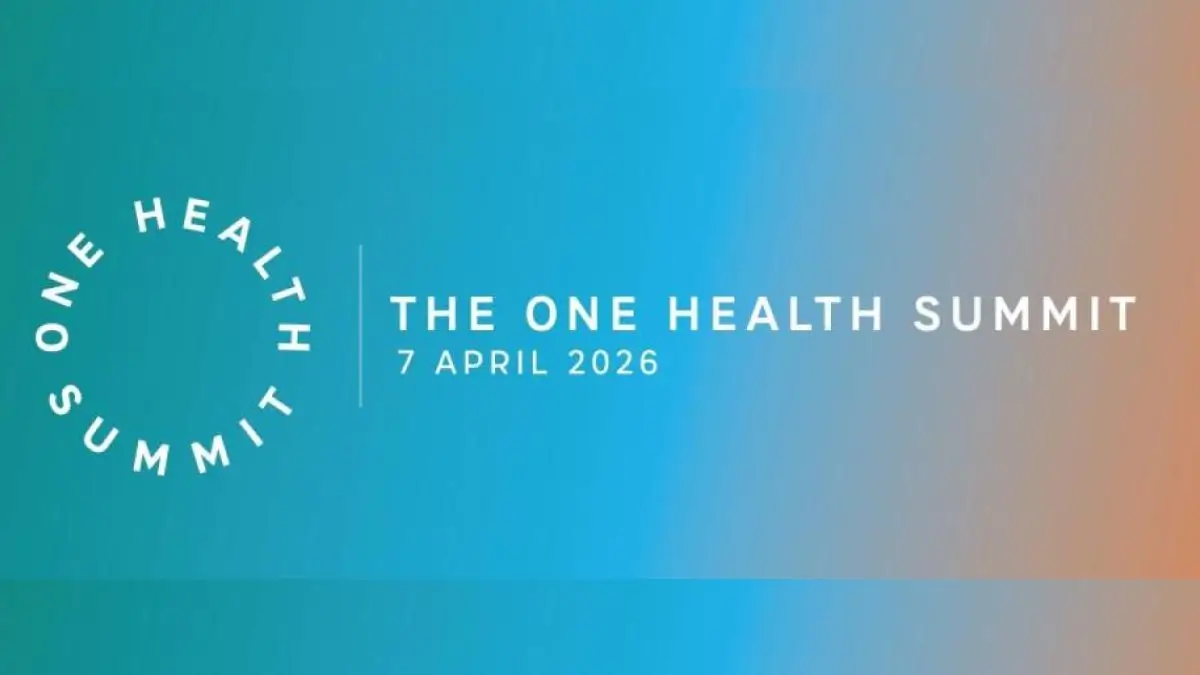
France hosted the One Health Summit on 7 April 2026 in Lyon as part of its presidency of the G7 grouping. The summit coincided with World Health Day, highlighting global commitment to strengthening health systems through scientific cooperation. The event brought together heads of state, policymakers, scientists, and representatives from international organisations to promote a unified global health approach.
Understanding the One Health Approach
The “One Health” concept recognises that human health, animal health, plant health, and environmental health are interconnected. This integrated approach aims to address global health threats such as pandemics, antimicrobial resistance, climate change, and food security issues through coordinated and science-based strategies.
Significance of the Summit Under G7 Presidency
The summit was one of the flagship events under France’s G7 Presidency in 2026. It aimed to strengthen multilateral cooperation and establish a coordinated framework to tackle global health challenges. Leaders from G7 nations and other invited countries participated to develop actionable policies and partnerships for health security.
Key Objectives of the Summit
The One Health Summit focused on promoting science-based decision-making and interdisciplinary collaboration. Its primary objectives included:
- Enhancing global surveillance systems for diseases
- Strengthening coordination between health, agriculture, and environmental sectors
- Encouraging innovation and research in health sciences
- Promoting preventive healthcare strategies
The summit emphasised the need for concrete action rather than mere policy discussions, aligning with global sustainable development goals.
Participation and Global Collaboration
For the first time, the summit saw participation from a wide range of stakeholders including governments, private sector companies, civil society organisations, academia, and youth representatives. This multi-sectoral participation highlighted the importance of collective action in addressing global health crises.
Focus on Future Health Challenges
The summit addressed emerging global issues such as zoonotic diseases, environmental degradation, and health inequities. It aimed to accelerate the implementation of preventive measures and ensure preparedness for future pandemics. The integration of science and policy was highlighted as crucial for sustainable global health systems.

Why This News is Important
Relevance for Global Health Governance
The One Health Summit is important because it strengthens global health governance by bringing together world leaders and experts to develop coordinated responses. It highlights the growing recognition that health challenges cannot be addressed in isolation and require international cooperation.
Implications for Competitive Exams
For aspirants preparing for exams like UPSC, SSC, Banking, and Defence, this news is highly relevant. It covers key topics such as international relations, global health initiatives, environmental issues, and the role of G7 countries in policymaking.
Focus on Pandemic Preparedness
The COVID-19 pandemic exposed gaps in global health systems. The summit’s focus on prevention, surveillance, and coordination is crucial for avoiding future crises. It reinforces the importance of science-based policies in tackling global emergencies.
Integration of Environment and Health
The summit emphasises the link between environmental degradation and human health. This aligns with current global priorities such as climate change mitigation and sustainable development, making it a key topic for exams.
Historical Context
Origin of the One Health Concept
The One Health concept evolved from the idea of “One Medicine,” which emphasised the link between human and animal health. Over time, it expanded to include environmental health, recognising the interconnected nature of ecosystems and disease transmission.
Global Recognition and Development
The concept gained international recognition through collaborations between organisations like WHO, FAO, UNEP, and the World Organisation for Animal Health. These institutions promote integrated approaches to health challenges at global and regional levels.
Role of Past Health Crises
Events such as the COVID-19 pandemic and outbreaks of zoonotic diseases highlighted the need for coordinated global action. These crises accelerated the adoption of the One Health approach worldwide.
France’s Leadership in Global Health
France has been actively promoting global health initiatives through platforms like the G7 and One Planet Summit. The 2026 One Health Summit represents a continuation of its efforts to strengthen international cooperation in health governance.
Key Takeaways from This News
| S.No. | Key Takeaway |
|---|---|
| 1 | France hosted the One Health Summit on 7 April 2026 in Lyon under its G7 Presidency |
| 2 | The summit promotes the “One Health” approach linking human, animal, and environmental health |
| 3 | It focuses on science-based policies and global cooperation to tackle health challenges |
| 4 | Participation included global leaders, scientists, private sector, and civil society |
| 5 | The summit emphasises pandemic preparedness, environmental health, and sustainable development |
FAQs: Frequently Asked Questions
1. What is the One Health approach?
The One Health approach is an integrated framework that recognises the interconnection between human, animal, plant, and environmental health. It promotes collaborative efforts across sectors to prevent and control diseases.
2. Where was the One Health Summit 2026 held?
The One Health Summit 2026 was hosted in Lyon, France, under the G7 Presidency of France.
3. Why is the One Health approach important for global health?
It is important because many diseases, especially zoonotic diseases, originate from animals and are influenced by environmental factors. A coordinated approach helps in early detection, prevention, and effective response.
4. Which organisations support the One Health initiative?
Major global organisations such as WHO, FAO, UNEP, and the World Organisation for Animal Health support and promote the One Health approach.
5. How is this topic relevant for competitive exams?
It is relevant for exams like UPSC, SSC, Banking, and Defence as it covers international relations, global health governance, environmental issues, and current global initiatives.
6. What are zoonotic diseases?
Zoonotic diseases are infections that are transmitted from animals to humans, such as COVID-19, Ebola, and avian influenza.
7. What was the key objective of the summit?
The main objective was to promote science-based health policies and strengthen global cooperation for addressing health challenges.
8. How does climate change relate to One Health?
Climate change affects ecosystems, which in turn influences the spread of diseases, making it an essential component of the One Health framework.
Some Important Current Affairs Links