

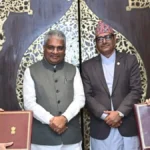




Introduction to Kala Azar and Its Impact
Kala Azar, medically known as visceral leishmaniasis (VL), is a severe parasitic disease transmitted by the bite of infected sandflies. It primarily affects the liver, spleen, and bone marrow, leading to symptoms such as prolonged fever, weight loss, anemia, and enlargement of the spleen and liver. If left untreated, VL can be fatal. The disease is endemic in several parts of Africa, Asia, and Latin America, with Eastern Africa bearing a significant burden.
Historic MoU Signed at the 78th World Health Assembly
In a significant move towards combating this neglected tropical disease, health ministers from six African nations—Chad, Djibouti, Ethiopia, Somalia, South Sudan, and Sudan—signed a Memorandum of Understanding (MoU) to eliminate VL. The agreement was formalized during the 78th World Health Assembly held in Geneva, under the auspices of the World Health Organization (WHO) and the African Union. This collaboration marks a pivotal step in regional health diplomacy and disease control efforts.
Objectives of the MoU
The primary objectives outlined in the MoU include:
- Coordinated Regional Action: Establishing a unified approach to tackle VL through shared resources and strategies.
- Cross-Border Collaboration: Enhancing cooperation between neighboring countries to address the transboundary nature of the disease.
- Resource Mobilization: Securing funding and logistical support for VL elimination programs.
- Public Awareness Campaigns: Educating communities about prevention and early detection of VL.
- Research and Development: Promoting studies to improve diagnostics, treatments, and vaccines for VL.
Significance of the MoU
This agreement underscores the importance of regional cooperation in addressing health challenges that transcend national borders. By pooling resources and expertise, these nations aim to accelerate progress towards the WHO’s goal of eliminating VL as a public health problem by 2030. The MoU also aligns with broader global health initiatives targeting neglected tropical diseases.
Challenges and the Path Forward
Despite the optimistic outlook, several challenges remain in the fight against VL, including limited healthcare infrastructure, inadequate surveillance systems, and socio-economic factors that hinder access to treatment. Overcoming these obstacles will require sustained political commitment, community engagement, and international support. The signatory countries are committed to implementing the strategic framework developed by the WHO and partners, which emphasizes early diagnosis, effective treatment, vector control, and surveillance.

B) Why This News is Important
Relevance to Government Exams
For students preparing for government exams, particularly in the fields of public health, international relations, and environmental science, this development is highly pertinent. The MoU reflects the growing emphasis on cross-border health initiatives and the role of international organizations like the WHO in shaping global health policies. Questions related to international health agreements, neglected tropical diseases, and regional cooperation are increasingly featured in various competitive exams.
Implications for Public Health Policy
The commitment of these six nations to eliminate VL highlights the evolving landscape of public health policy in Africa. It showcases a shift towards collaborative efforts in disease control and emphasizes the need for integrated approaches that consider socio-economic and cultural factors. Understanding such initiatives is crucial for aspiring civil servants who may be involved in policy formulation and implementation.
C) Historical Context: Kala Azar and Regional Health Initiatives
Visceral leishmaniasis has been a persistent health issue in Eastern Africa for decades. The disease’s prevalence is influenced by factors such as poverty, malnutrition, and inadequate healthcare access. In response, the WHO launched a strategic framework in 2024 aimed at eliminating VL by 2030. This framework advocates for a multi-pronged approach, including strengthening health systems, enhancing surveillance, and fostering community participation.
The signing of the MoU by Chad, Djibouti, Ethiopia, Somalia, South Sudan, and Sudan represents a significant milestone in the region’s collective efforts to combat VL. It builds upon previous initiatives and demonstrates a unified commitment to addressing neglected tropical diseases.
D) Key Takeaways from “Six African Nations Sign MoU to Eliminate Kala Azar”
| S.No | Key Takeaway |
|---|---|
| 1. | Six African countries—Chad, Djibouti, Ethiopia, Somalia, South Sudan, and Sudan—signed an MoU to eliminate VL. |
| 2. | The MoU was signed during the 78th World Health Assembly in Geneva. |
| 3. | The agreement focuses on coordinated regional action and cross-border collaboration. |
| 4. | The WHO’s strategic framework aims to eliminate VL as a public health problem by 2030. |
| 5. | The initiative highlights the importance of international cooperation in addressing neglected tropical diseases. |
FAQs: Frequently Asked Questions
Q1. What is Kala Azar?
A1. Kala Azar, also known as visceral leishmaniasis, is a deadly parasitic disease transmitted by sandfly bites, affecting internal organs like the liver and spleen.
Q2. Which six African countries signed the MoU to eliminate Kala Azar?
A2. Chad, Djibouti, Ethiopia, Somalia, South Sudan, and Sudan signed the MoU.
Q3. When and where was the MoU signed?
A3. The MoU was signed during the 78th World Health Assembly held in Geneva.
Q4. What are the main objectives of the MoU?
A4. The objectives include coordinated regional action, cross-border collaboration, resource mobilization, public awareness, and research to eliminate Kala Azar.
Q5. What is the target year set by WHO to eliminate Kala Azar as a public health problem?
A5. The target year is 2030.
Some Important Current Affairs Links