






India humanitarian aid Jamaica Cuba: India sent 20 tonnes of disaster relief to Jamaica and Cuba in November 2025, strengthening Global South partnerships and showcasing its HADR capabilities.
India Extends Humanitarian Relief to Jamaica and Cuba
Introduction: India’s Rapid Response to Caribbean Crisis
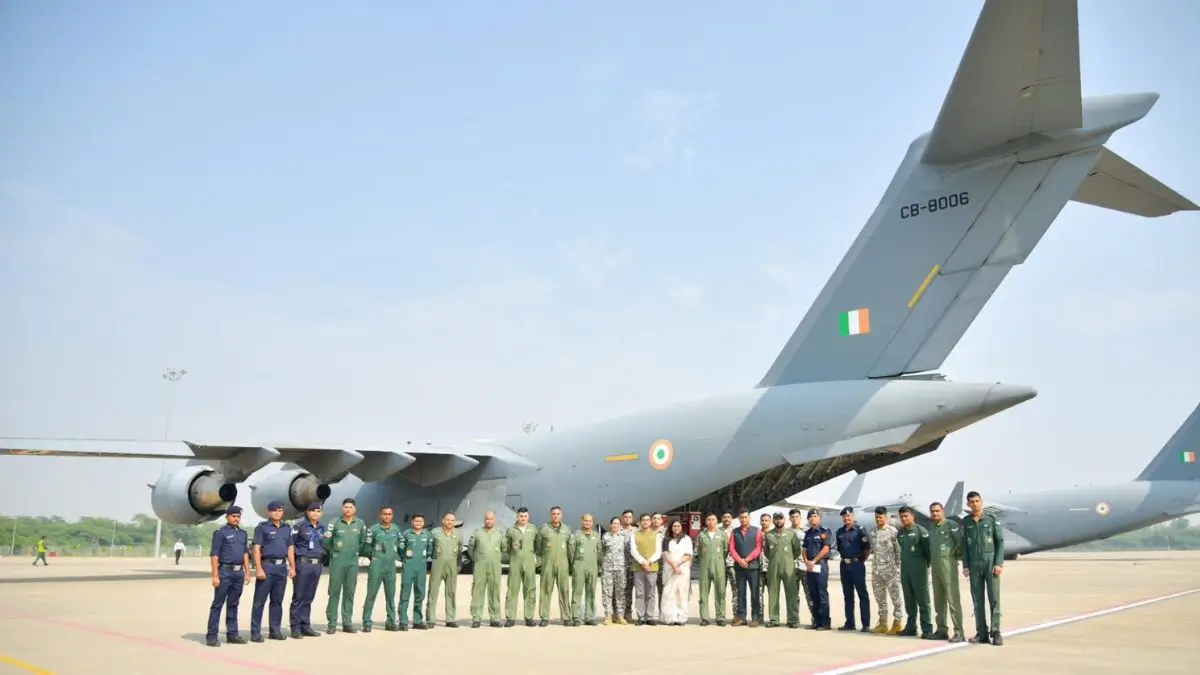
In a significant demonstration of global solidarity, India dispatched 20 tonnes of humanitarian aid to each of two Caribbean nations — Jamaica and Cuba — in the wake of catastrophic damage caused by Hurricane Melissa. The consignments were dispatched from New Delhi on 4 November 2025, and reflect India’s evolving role not just in regional assistance but in broader Global South partnerships.
What the Aid Consisted Of
The relief materials were transported by an aircraft of the Indian Air Force and included a variety of items designed to meet immediate needs across disaster‑relief domains:
- A “BHISHM Cube” compact relief unit (branded as “Aarogya Maitri”)
- Rehabilitation support materials
- Food and daily utilities
- Medicines and medical equipment
- Power generators
- Shelter‑support materials
- Hygiene kits
By including health, shelter, utilities and hygiene supplies in the package, India addressed multiple facets of immediate crisis response.
Circumstances Leading to the Aid Mission
Hurricane Melissa struck Jamaica as a Category 5 storm, one of the most powerful in recorded history for the region, and subsequently impacted Cuba, leaving widespread destruction in its wake. Infrastructure, power systems and homes were severely damaged, creating urgent demands for external support.
Diplomatic and Strategic Significance
The dispatch of aid is not merely a humanitarian gesture — it signals India’s growing capacity and willingness to act beyond its immediate neighbourhood. By stepping forward, India reinforces its profile as a responsible international actor, especially for fellow Global South nations. The move was underscored by the statement from India’s External Affairs Minister, declaring: “India stands with our Global South partners in the face of such natural disasters.”
Building Credibility in Disaster‑Response Capability
The implementation of this mission demonstrates India’s evolving humanitarian assistance and disaster relief (HADR) capability. The use of specialised modules like the BHISHM Cube and coordination via the Air Force highlight enhanced readiness for high‑impact operations. This contributes to India’s soft‑power credentials, while simultaneously providing lessons for improved disaster‑management preparedness domestically.

Why This News Is Important
Relevance to Global Affairs and India’s Foreign Policy
This development is a key indicator of how India is positioning itself on the global stage — not just as an emerging economic power, but as a partner willing to extend relief to distant nations in times of crisis. For students preparing for competitive exams (teaching, police, banking, railways, defence, civil services such as PSCS to IAS), understanding such diplomatic moves is crucial under current‑affairs and international‑relations modules.
Implications for India’s Soft Power and Aid Strategy
India’s humanitarian intervention strengthens its image and influence among the Global South. By offering timely relief to Jamaica and Cuba, India is building goodwill, forging diplomatic linkages, and emphasising the principle of South‑South cooperation. This is relevant for exam topics relating to India’s foreign‑policy doctrine, disaster‑management frameworks, and international aid contributions.
Significance for Domestic and Disaster‑Management Policies
From a policy perspective, this mission reflects how India can leverage its disaster‑relief infrastructure (such as the Indian Air Force, relief‑modules etc.) for global outreach. It also offers a case study for those preparing for defence and railways exams on logistics, disaster relief coordination and international missions. Learning about such missions helps exam‑takers understand how India’s domestic capabilities translate into international action.
Historical Context
India’s Humanitarian Assistance Profile
India has a growing record of dispatching humanitarian assistance to countries affected by natural disasters or crises. Over recent years, Indian relief consignments have reached nations in Asia, Africa and Latin America. These operations align with India’s policy of promoting South‑South cooperation and projecting soft power.
Caribbean Disaster Vulnerability and Hurricane Melissa
The Caribbean region is highly vulnerable to hurricanes and tropical storms. Hurricane Melissa, classified as Category 5 at landfall in Jamaica, caused major damage to infrastructure, power supplies and housing, thereby triggering the need for swift external assistance. The storm’s impact on Cuba further underscored the regional nature of the crisis.
Evolution of India’s HADR (Humanitarian Assistance and Disaster Relief) Capabilities
India’s disaster‑response capability has matured over the years, from domestic responses to missions abroad, utilising its air‑lift capabilities, relief modules and coordination with international agencies. The use of platforms like the BHISHM Cube marks the specialised approach India is now deploying for global relief missions.
Key Takeaways from India’s Humanitarian Aid Mission to Jamaica and Cuba
| # | Key Takeaway |
|---|---|
| 1 | India dispatched 20 tonnes of relief material each to Jamaica and Cuba on 4 November 2025. |
| 2 | The aid package included health, shelter, daily‑utilities, power‑generators and hygiene kits — showing a holistic response. |
| 3 | The mission utilised an Indian Air Force aircraft for air‑lift, demonstrating India’s logistical capability in disaster zones. |
| 4 | By assisting fellow Global South countries, India reinforced its diplomatic outreach and soft‑power objectives. |
| 5 | The operation signals India’s growing role in international disaster relief, relevant for students studying defence, civil services, international relations and disaster‑management. |
FAQs: Frequently Asked Questions
1. What prompted India to send humanitarian aid to Jamaica and Cuba?
Hurricane Melissa, a Category 5 storm, caused severe damage to infrastructure, homes, and power systems in Jamaica and Cuba, prompting India to extend humanitarian assistance.
2. How much relief material did India send to Jamaica and Cuba?
India sent 20 tonnes of relief material to each country.
3. What items were included in India’s humanitarian aid package?
The aid package included health and hygiene kits, medicines, food, shelter-support materials, power generators, and the BHISHM Cube disaster relief modules.
4. Which organization or platform did India use to transport the aid?
The aid was airlifted using an Indian Air Force aircraft, showcasing India’s logistical capabilities in disaster-response operations.
5. How does India’s humanitarian mission strengthen its global standing?
By providing timely assistance to fellow Global South nations, India reinforces its soft power, strengthens diplomatic relations, and promotes South-South cooperation.
6. What is the significance of the BHISHM Cube in relief operations?
The BHISHM Cube is a compact, modular relief unit that facilitates rapid deployment of aid, including medical and rehabilitation support, in disaster-affected regions.
7. How is this news relevant for competitive exams?
The story is important for topics like international relations, disaster management, India’s foreign policy, HADR missions, and Global South partnerships, which are frequently included in exams for teachers, police, banking, railways, defence, and civil services (IAS/PSCS).
Some Important Current Affairs Links