









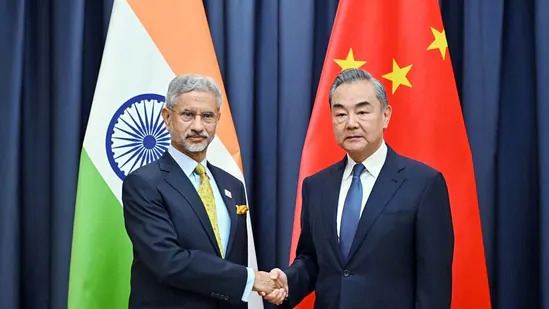
India China relations 2025: Explore the possible reset at the SCO Summit with Prime Minister Modi’s historic visit, border disputes, economic ties, and strategic challenges shaping the future.
India-China Relations in 2025: A Possible Reset at the SCO Summit
Diplomatic Thaw at the SCO Summit
Prime Minister Narendra Modi is set to attend the Shanghai Cooperation Organisation (SCO) Summit in Tianjin, China, marking his first visit since the 2020 Galwan Valley clash. This high-profile trip is being viewed as a potential reset in India-China relations, signaling a cautious shift after years of tensions.
Historical Context of India-China Relations
India and China established diplomatic ties in 1950, with the “Hindi-Chini Bhai Bhai” slogan symbolizing early friendship. However, the 1962 border war over Aksai Chin and Arunachal Pradesh led to a prolonged period of mistrust. Despite efforts to improve relations, such as the 1993 Peace and Tranquility Accord and the 2003 recognition of Tibet as part of China, border disputes and strategic differences persisted. The 2017 Doklam standoff and the 2020 Galwan clash further strained ties.
Economic Interdependence and Strategic Significance
In FY25, bilateral trade between India and China reached $127.7 billion, with India importing $113.45 billion worth of goods. China is a critical supplier of electronics, telecom equipment, lithium-ion batteries, APIs, fertilizers, and auto parts. Additionally, China’s Belt and Road Initiative and projects like the China-Pakistan Economic Corridor challenge India’s regional influence.
Challenges in India-China Relations
- Border Disputes & Militarization: China occupies 38,000 sq km of Aksai Chin and claims 90,000 sq km of Arunachal Pradesh. Infrastructure buildup and dual-use villages along the border raise Indian security concerns.
- Strategic Trust Deficit: The Galwan clash remains a turning point, creating deep mistrust despite partial disengagements.
- Economic Imbalance: Heavy import dependence and China’s critical mineral export controls affect India’s green energy transition.
- Pakistan Nexus: China’s support for Pakistan, including backing in the May 2025 India-Pakistan conflict, complicates bilateral relations.
- Maritime & Regional Concerns: China’s activities in the South China Sea and its growing influence in the Indian Ocean region pose strategic challenges for India.

Why This News Is Important
Strategic Diplomacy
Prime Minister Modi’s visit to China underscores India’s commitment to engaging with neighboring countries to foster regional stability. This diplomatic outreach is crucial for maintaining peace and addressing shared challenges.
Geopolitical Implications
The visit occurs amid rising tensions between India and the United States, particularly concerning trade policies. The U.S. has imposed a 50% import tariff on Indian goods, prompting India to reconsider its strategic alignments.
Economic Considerations
China remains a significant economic partner for India. The visit may pave the way for discussions on trade imbalances, technology transfer, and infrastructure development, which are vital for India’s economic growth.
Security Concerns
Addressing border security issues is paramount. The visit provides an opportunity to discuss mechanisms for maintaining peace along the Line of Actual Control and preventing future conflicts.
Global Standing
India’s active participation in multilateral forums like the SCO demonstrates its role as a responsible global player. Engaging with China at this level enhances India’s diplomatic stature on the world stage.
Historical Context
India and China have a long history of interactions, characterized by periods of cooperation and conflict. The 1962 border war marked a significant downturn in relations, leading to decades of mistrust. Efforts to improve ties, such as the 1993 Peace and Tranquility Accord and the 2003 recognition of Tibet as part of China, were steps toward normalization. However, incidents like the 2017 Doklam standoff and the 2020 Galwan clash highlighted ongoing strategic differences. The 2024 BRICS Summit in Kazan marked a cautious thaw, with leaders from both nations emphasizing the importance of bilateral cooperation.
Key Takeaways from “India-China Relations in 2025: A Possible Reset at the SCO Summit?”
| S.No | Key Takeaway |
|---|---|
| 1 | Prime Minister Modi’s visit to China for the SCO Summit is his first since the 2020 Galwan clash, signaling a potential reset in bilateral relations. |
| 2 | Bilateral trade between India and China reached $127.7 billion in FY25, highlighting significant economic interdependence. |
| 3 | China occupies 38,000 sq km of Aksai Chin and claims 90,000 sq km of Arunachal Pradesh, posing ongoing border security challenges. |
| 4 | The 2020 Galwan clash remains a turning point, creating deep mistrust despite partial disengagements. |
| 5 | China’s support for Pakistan, including backing in the May 2025 India-Pakistan conflict, complicates bilateral relations. |
FAQs: Frequently Asked Questions Related to India-China Relations 2025
Q1: What is the significance of Prime Minister Modi’s visit to China in 2025?
A1: It marks his first visit since the 2020 Galwan Valley clash and signals a possible diplomatic reset between India and China to ease tensions.
Q2: What is the Shanghai Cooperation Organisation (SCO) Summit?
A2: The SCO Summit is a multilateral forum involving China, India, Russia, and Central Asian countries focusing on political, economic, and security cooperation.
Q3: What are the main issues affecting India-China relations currently?
A3: Key issues include border disputes (Aksai Chin and Arunachal Pradesh), strategic mistrust post-Galwan clash, economic imbalances, and China’s support for Pakistan.
Q4: How important is China as a trading partner for India?
A4: China is a major trading partner, with bilateral trade reaching $127.7 billion in FY25, supplying critical goods like electronics, telecom equipment, and raw materials.
Q5: What historical events have shaped India-China relations?
A5: Important events include the 1962 Sino-India War, 1993 Peace and Tranquility Accord, 2017 Doklam standoff, and the 2020 Galwan clash.
Q6: Why is the India-China border dispute a continuing challenge?
A6: Because China controls disputed territories and has been building infrastructure, leading to security concerns and occasional military clashes.
Q7: How does China’s support for Pakistan affect India-China ties?
A7: It complicates bilateral relations, especially amid conflicts between India and Pakistan, as China backs Pakistan diplomatically and economically.
Some Important Current Affairs Links