





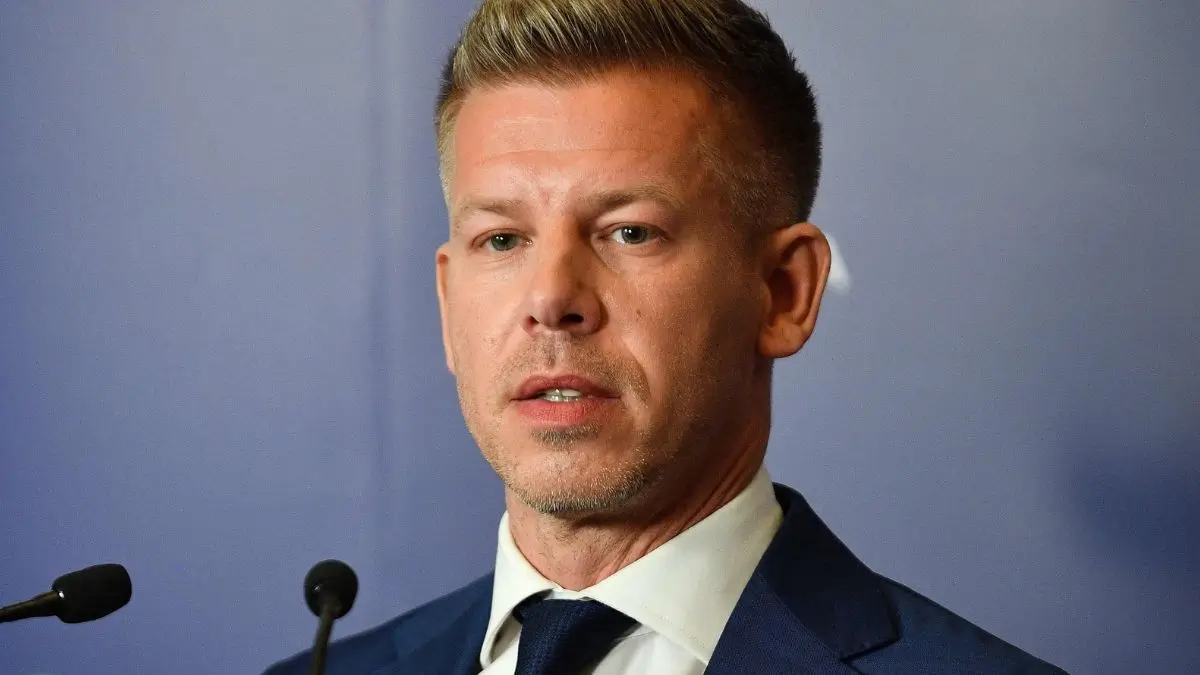
Hungary election 2026 results show Viktor Orban ousted after 16 years as opposition wins majority. Learn key facts, analysis, and exam-relevant insights.
Hungary Election 2026: Viktor Orbán Ousted After 16 Years as Opposition Secures Landslide Victory
Introduction: A Historic Political Shift in Hungary
In a landmark political development, Hungary witnessed a dramatic change in leadership as long-serving Prime Minister Viktor Orbán was ousted after 16 years in power. The opposition alliance led by Péter Magyar and his Tisza Party secured a decisive victory in the 2026 parliamentary elections, marking a major turning point in European politics.
Election Results: Opposition Secures Supermajority
The Hungarian parliamentary elections held on 12 April 2026 resulted in a landslide win for the Tisza Party. The opposition secured around 138 out of 199 seats, achieving a two-thirds majority, which allows them to amend the constitution.
Orbán’s ruling Fidesz party suffered a major setback, winning only about 55 seats. This marked the end of Orbán’s uninterrupted rule since 2010.
The election recorded a high voter turnout of nearly 80%, reflecting strong public engagement and demand for change.
Key Issues Behind the Election Outcome
Several domestic and international factors contributed to the opposition’s victory:
- Economic Concerns: Rising inflation and economic stagnation influenced voter sentiment.
- Governance and Corruption: Allegations of corruption and centralized power weakened the government’s image.
- EU Relations: Hungary’s strained relations with the European Union under Orbán became a major issue.
- Youth Participation: A significant youth vote supported change and democratic reforms.
Orbán’s Political Legacy and Governance Style
Viktor Orbán was known for promoting an “illiberal democracy,” emphasizing nationalism, strict immigration policies, and centralized governance. His government faced criticism from international organizations over democratic backsliding, media control, and judicial independence.
Despite criticism, Orbán maintained strong domestic support for years due to his nationalist policies and economic initiatives.
Péter Magyar’s Vision for Hungary
Péter Magyar, a former ally of Orbán, campaigned on a pro-European platform. His agenda includes:
- Restoring democratic institutions
- Strengthening ties with the European Union
- Tackling corruption
- Improving healthcare and public services
His victory is seen as a shift toward liberal democratic values and stronger integration with Europe.
Global and European Reactions
The election outcome attracted global attention. European leaders welcomed the result, viewing it as a step toward restoring democratic norms in Hungary.
The result is also seen as a setback for right-wing populist movements in Europe.

Why This News is Important
Impact on European Politics
This election is significant because it alters the political landscape of Europe. Hungary had been one of the strongest proponents of nationalist and anti-EU policies under Orbán. The victory of a pro-European leader signals a potential shift toward stronger European unity and cooperation.
Democratic Restoration
The result reflects a broader trend of voters pushing back against authoritarian tendencies. The ability of the opposition to defeat a long-standing leader highlights the resilience of democratic systems, even in countries experiencing democratic backsliding.
Implications for India and Global Exams
For aspirants preparing for UPSC, SSC, Banking, and Defence exams, this news is crucial as it relates to:
- European politics and governance
- Democratic systems and elections
- International relations and EU dynamics
Understanding such global developments helps in answering questions related to international affairs.
Geopolitical Relevance
Hungary’s earlier alignment with countries like Russia and China may now shift. This has implications for global geopolitics, especially in the context of the Russia-Ukraine conflict and EU policies.
Historical Context: Hungary’s Political Evolution
Post-Communist Transition
Hungary transitioned to democracy in 1990 after the fall of communism. Since then, it has been a member of the European Union and NATO.
Rise of Viktor Orbán
Orbán first became Prime Minister in 1998 and returned to power in 2010. Over time, he consolidated authority, reshaped institutions, and introduced constitutional changes.
Era of “Illiberal Democracy”
Orbán described his governance model as an “illiberal state,” prioritizing national sovereignty over liberal democratic values. This led to conflicts with the EU and criticism from global organizations.
Opposition Consolidation
Over the years, opposition forces struggled to unite. The emergence of Péter Magyar and the Tisza Party provided a strong alternative, eventually leading to the 2026 electoral victory.
Key Takeaways from Hungary Election 2026
| S.No | Key Takeaway |
|---|---|
| 1 | Viktor Orbán was removed from power after 16 years as Hungary’s Prime Minister |
| 2 | Péter Magyar’s Tisza Party won a two-thirds majority (138/199 seats) |
| 3 | The election saw a record voter turnout of around 80% |
| 4 | The result signals a shift toward pro-European and democratic policies |
| 5 | The outcome has major implications for EU politics and global geopolitics |
Frequently Asked Questions (FAQs)
1. Who was removed from power in Hungary after 16 years?
Viktor Orbán was removed from power after serving as Hungary’s Prime Minister for 16 years.
2. Who led the opposition victory in Hungary’s 2026 elections?
The opposition alliance was led by Péter Magyar, who played a key role in defeating the ruling party.
3. Which party won the Hungarian parliamentary elections 2026?
The Tisza Party, led by Péter Magyar, secured a decisive majority in the elections.
4. What was the total number of seats in Hungary’s Parliament?
Hungary’s Parliament has 199 seats, out of which the opposition secured around 138 seats.
5. What type of majority did the opposition achieve?
The opposition achieved a two-thirds majority, enabling constitutional amendments.
6. What were the major issues influencing the election?
Key issues included inflation, corruption allegations, governance concerns, and strained EU relations.
7. What is meant by “illiberal democracy”?
It refers to a system where democratic elections exist but civil liberties, media freedom, and institutional independence are limited—often associated with Orbán’s governance.
8. Why is Hungary important in European politics?
Hungary is strategically important as a member of the European Union and NATO, influencing EU policies and regional geopolitics.
9. How does this election impact the European Union?
The result is expected to improve Hungary’s relations with the EU and strengthen democratic values within the bloc.
10. Why is this news important for competitive exams?
It is relevant for topics like international relations, political systems, European Union affairs, and global governance—commonly asked in UPSC, SSC, Banking, and Defence exams.
Some Important Current Affairs Links