








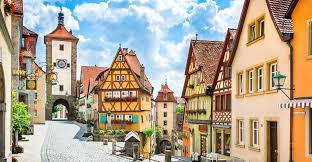
The name “Deutschland” is commonly used to refer to Germany in its native language, German. Many countries have different names in their own languages, and “Deutschland” is the official German name for the country. This linguistic distinction is an important aspect of global geopolitics, history, and cultural identity.
Why is Germany Called Deutschland?
The word “Deutschland” originates from the Old High German term “diutisc,” which means “of the people” or “belonging to the people.” Over centuries, the term evolved into “Deutschland,” referring specifically to the land of the German-speaking people. The English word “Germany” comes from Latin, used by the Romans to describe the various tribes living in the region.
Germany’s Position in the World
Germany is a leading European nation known for its economic strength, technological advancements, and cultural heritage. It is the most populous country in the European Union and plays a crucial role in global politics, trade, and diplomacy.
Germany’s Influence in Global Affairs
Germany is a founding member of the European Union and a key player in international organizations like the United Nations, NATO, and the G7. It has a strong economy, being one of the world’s largest exporters of machinery, automobiles, and chemicals.

Why This News is Important?
Understanding Global Linguistic Differences
The difference between the native and foreign names of a country highlights the diversity of languages and cultures worldwide. Recognizing these variations is essential for students preparing for competitive exams like UPSC, SSC, and Banking.
Germany’s Global Role
Germany is a global leader in economics, politics, and technological innovation. Understanding the historical and modern significance of Germany helps in comprehending international relations and trade dynamics.
Relevance in General Knowledge and Exams
For aspirants of government exams, knowledge of international geography, historical developments, and linguistic variations can be beneficial. Questions related to country names and their origins often appear in competitive exams.
Historical Context
The name “Deutschland” has historical roots dating back to the medieval period. The Holy Roman Empire, which existed from 800 AD to 1806, encompassed German-speaking regions, but there was no unified Germany until 1871. The unification of Germany under Otto von Bismarck marked the beginning of the modern German state, known officially as “Deutschland.”
Key Takeaways from ‘Which Country is Known as Deutschland?
| S.No | Key Takeaway |
|---|---|
| 1 | “Deutschland” is the native German name for Germany. |
| 2 | The term comes from the Old High German word “diutisc,” meaning “of the people.” |
| 3 | The English name “Germany” originates from Latin, used by Romans for the region. |
| 4 | Germany is a leading global economy and a member of international organizations like the EU, NATO, and the UN. |
| 5 | The unification of Germany in 1871 under Otto von Bismarck officially established “Deutschland” as a nation-state. |
FAQs: Frequently Asked Questions
- Why is Germany called Deutschland?
- “Deutschland” is derived from the Old High German word “diutisc,” meaning “of the people.”
- What is the origin of the name Germany?
- The name “Germany” comes from the Latin word “Germania,” used by the Romans to describe tribes in the region.
- When was Germany unified as a country?
- Germany was unified in 1871 under Otto von Bismarck.
- What is Germany’s role in international affairs?
- Germany is a key member of the EU, NATO, G7, and UN, with a strong influence on global trade and politics.
- Is Germany the only country with a different native name?
- No, many countries have different names in their own languages, such as España for Spain and Nippon for Japan.
Some Important Current Affairs Links