








France Social Media Ban Under 15 aims to protect children’s mental health, reduce cyberbullying, and ensure safe digital use. Learn about the bill, age limits, and global trends.
France Moves Bill to Ban Social Media for Under-15s to Protect Mental Health
France’s Parliament Takes Bold Step on Youth Digital Safety
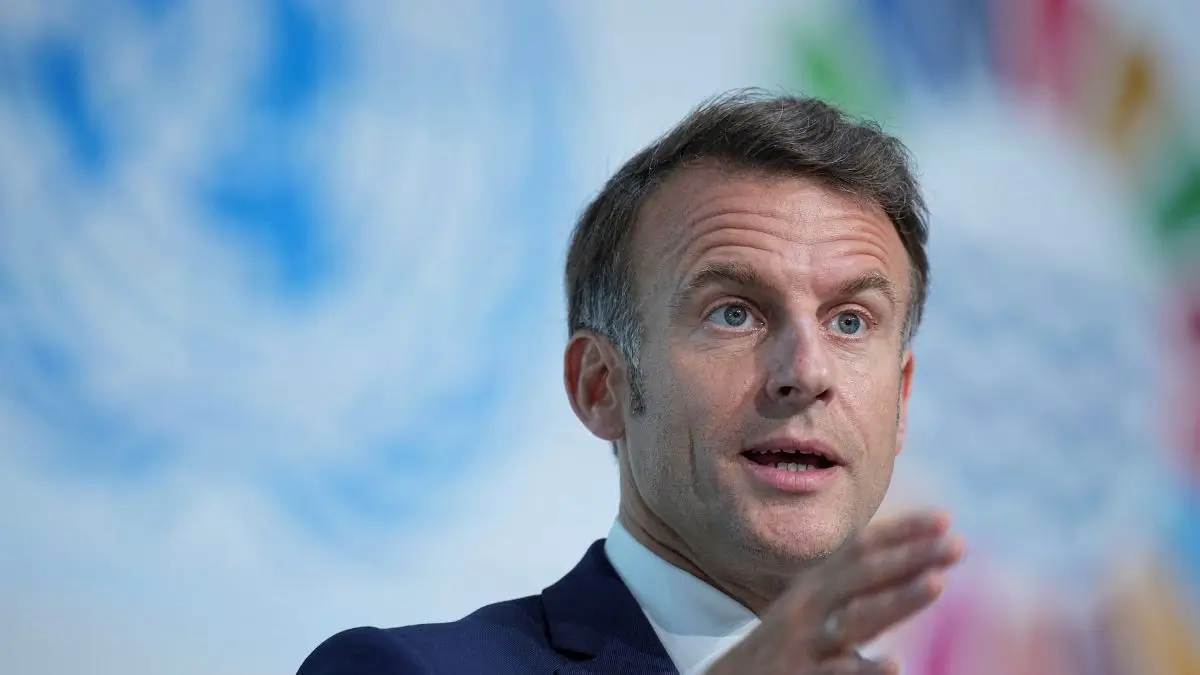
France’s National Assembly — the lower house of parliament — has approved a bill that would ban children under the age of 15 from using social media platforms. This landmark legislation, backed strongly by President Emmanuel Macron’s government, aims to address rising concerns over online harms faced by minors, especially related to mental health, cyberbullying, and excessive screen time. The bill now moves to the Senate, the upper house, before it becomes law.
Key Features of the Proposed Social Media Ban
Under the proposed law, major global platforms including Facebook, Instagram, TikTok, Snapchat and YouTube would not be accessible to users under 15 years of age. The bill also includes mandatory age-verification systems and enforcement measures aligned with European digital safety rules. In addition to curbing social media access, the legislation expands existing bans on mobile phones in schools to include high schools, a continuation of the trend toward restricting digital distractions in education settings.
Government’s Rationale: Mental Health and Safety First
French lawmakers cited growing evidence that intensive social media use contributes to anxiety, poor sleep, reduced reading habits, and harmful self-comparison among adolescents. President Macron has linked social media influence to problems like youth violence and emotional distress, emphasizing the need for clear rules to safeguard childhood development. The government believes that creating boundaries in digital exposure will help young people focus more on learning and real-world relationships.
Political and Public Reactions to the Bill
The bill enjoys broad political support across party lines and strong public backing, with surveys showing a majority of French citizens in favour of protecting minors online. However, some critics argue that the ban could be overly restrictive and difficult to enforce effectively, raising questions about digital rights and personal freedoms. Teenagers themselves have shown mixed reactions, with some welcoming the focus on safety while others fear restrictions on social interaction.
Influence of Global Trends and Precedents
France’s move mirrors a growing global trend toward regulating children’s access to digital platforms. In late 2025, Australia became the first country to implement a ban on social media use for under-16s, prompting other democracies like the UK and Spain to consider similar measures. These international developments place France at the forefront of digital policy debates on children’s rights and online wellbeing.

Why This News Is Important for Government Exam Aspirants
Significance in Public Policy and Governance
This news has major implications for topics like public policy, digital governance, child welfare, and mental health — areas frequently tested in competitive exams like UPSC Civil Services (IAS/IPS), SSC CGL, banking, railway, and teacher recruitment exams.
The bill reflects how governments are responding to technological challenges with legislative action. For aspirants preparing for Current Affairs, General Studies, and Ethics papers, understanding such policy shifts helps in essay writing and analytical answers. It also highlights how public health concerns — especially mental health — are influencing legal frameworks around digital behaviour and child safety.
Relevance to International Relations and Global Policy Trends
France’s proposal is part of a broader global discourse on internet regulation and digital age policies. Recognizing how different countries approach these issues enhances candidates’ ability to compare international standards, a key skill in General Studies Paper II (Governance, Constitution and International Relations).
Implications for Society and Technology
For exams that ask questions related to science & tech impacts on society, this bill underscores the balancing act between innovation and safety. It illustrates how democratic states try to harmonize children’s rights with technological progress.
Historical Context: Digital Regulation and Child Protection
Evolution of Internet Age Laws in France
France has been proactive in digital regulation over the past decade. In 2018, French schools implemented bans on mobile phones for younger students. Subsequent years saw increased scrutiny on how online platforms affect youth, especially with the rise of smartphone use and addictive social media algorithms.
Global Precursors: Australia and Beyond
Australia became the first nation to implement a social media ban for under-16s in late 2025. Its experience influenced French policymakers and others considering similar legislation. The global conversation around digital safety has been fuelled by reports linking social media with mental health issues, cyberbullying, and increased screen addiction among teens.
European and International Pressure
Alongside national efforts, the European Parliament has urged member states to establish minimum age limits for social media use, highlighting a continental approach toward digital child protection. France’s initiative fits within this larger EU framework.
Key Takeaways from “France’s Social Media Ban for Under-15s”
| S. No. | Key Takeaway |
|---|---|
| 1 | France’s National Assembly approved a bill to ban social media use for children under 15. |
| 2 | The law includes mandatory age verification and extends mobile phone bans in schools. |
| 3 | Government aims to protect mental health and reduce online harms like cyberbullying. |
| 4 | The bill now goes to the French Senate before it can be implemented. |
| 5 | France’s move follows global trends, particularly Australia’s under-16 social media ban. |
FAQs: France Social Media Ban for Under‑15s
1. What is the recent social media ban passed by France?
France’s National Assembly approved a bill banning children under 15 from using social media platforms such as Facebook, Instagram, TikTok, Snapchat, and YouTube. The bill now moves to the Senate for final approval.
2. Why has France decided to ban social media for children under 15?
The French government aims to protect children’s mental health, reduce exposure to cyberbullying, improve sleep patterns, and promote real-world interactions and academic focus.
3. Which global countries have implemented similar social media bans?
Australia introduced a ban for children under 16 in 2025. Countries like the UK and Spain are considering similar restrictions. France’s move aligns with a growing global trend in digital child safety.
4. What enforcement measures are included in the French bill?
The legislation includes mandatory age verification systems on social media platforms and extends restrictions on mobile phone use in schools, including high schools.
5. How does this news matter for government exam aspirants?
This news is relevant for exams like UPSC, SSC, banking, railways, and teacher recruitment. It is important for topics like public policy, digital governance, child welfare, mental health, and international trends in technology regulation.
6. What are the potential criticisms of the French social media ban?
Critics argue that enforcement may be difficult, it could restrict freedom of expression, and teenagers may find ways to bypass restrictions, raising debates about digital rights.
7. When will the French social media ban potentially come into effect?
The law will take effect after approval from the French Senate and completion of the legislative process. The exact date will depend on the Senate’s schedule and amendments, if any.
8. Which age group will be affected by this law?
Children under 15 years old will not be allowed to access social media platforms.
9. How does this law relate to European Union directives?
The law complements EU-wide efforts to ensure online child safety by setting minimum age restrictions and regulating digital platforms for minors.
10. How does this news relate to public health and education policies?
The ban addresses rising mental health concerns among youth, reduces digital distractions in schools, and promotes responsible use of technology in educational environments.
Some Important Current Affairs Links